

Hypercalcemia
Hypercalcemia
Nota anche come: Elevated blood calcium, High calcium
In breve
Hypercalcemia is an abnormally high level of calcium in a dog or cat's blood. This metabolic condition can cause severe damage to the kidneys, heart, and nervous system. Learn about the symptoms, underlying causes, diagnostic tests, and treatment options.

TL;DR. L'ipercalcemia è un aumento pericoloso del calcio ematico che può danneggiare reni, cuore e sistema nervoso se non trattata.
L'ipercalcemia colpisce cani e gatti e richiede diagnosi precoce.
Cos'è?
Il calcio regola nervi, muscolo (incluso il cuore), coagulazione e osso. Un eccesso definisce l'ipercalcemia, spesso segno di malattia sottostante. Rischio renale e neurologico.
"The consequences of hypercalcemia can be severe and affect multiple body systems including the central nervous syst"
Cause e fattori di rischio
Neoplasie (linfoma, adenocarcinoma del sacco anale), iperparatiroidismo primario, malattia renale, tossicità da vitamina D, Addison, idiopatica nel gatto. Rischio: Keeshond, Siamese cats.
Segni da osservare
Polidipsia/poliuria, disidratazione, anoressia, letargia, vomito; a volte stitichezza, tremori, aritmie; raramente convulsioni.

Sete e urine aumentate sono segni precoci classici.
"Bradycardia may be detected on physical examination, and electrocardiographic (ECG) monitoring may reveal a prolonged PR interval, widened QRS complex, shortened QT interval, shortened or absent ST segment, and a widened T wave. Bradyarrhythmias may progress to complete heart block, asystole, and cardiac arrest in severely affected animals."
Diagnosi
Calcio ionizzato [ORO], calcio totale, PTH/PTHrP, urine e funzione renale.
"Prolonged hypercalcemia, especially in conjunction with concurrent high-normal to increased serum phosphorus concentration, can also cause nephrocalcinosis and exacerbate renal insufficiency and azotemia. Determining whether the renal failure is primary or secondary in a dog with hypercalcemia, hyperphosphatemia, and azotemia poses an interesting diagnostic challenge..."
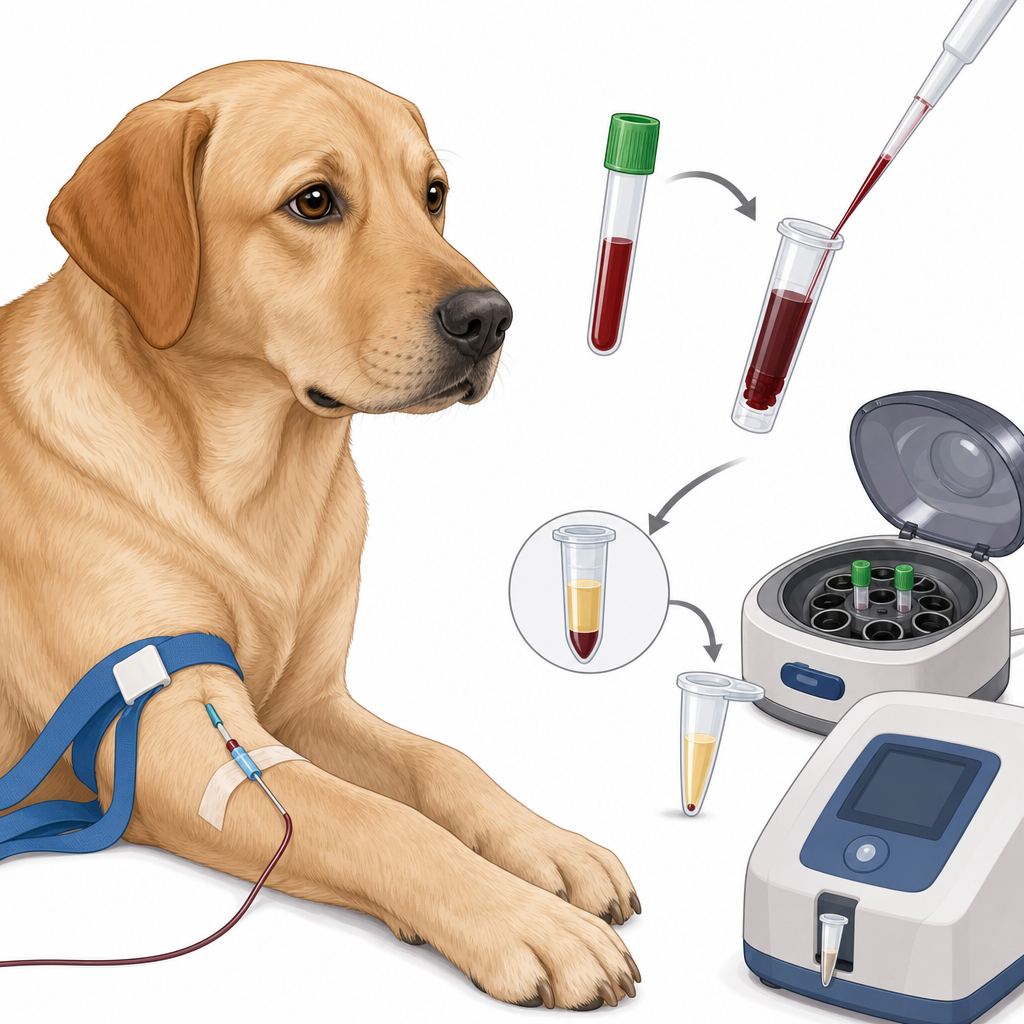
Il calcio ionizzato è il test di riferimento.
Trattamento
Causa più supporto se segni gravi o valori molto alti.
"Medical therapy should be directed at eradicating the underlying cause of the hypercalcemia. Supportive therapy to decrease the serum calcium concentration to less toxic levels is indicated if clinical signs are severe, if serum calcium concentration is greater than 17 mg/dL (dog) or 16 mg/dL (cat), if serum ionized calcium is greater than 1. 8 mmol/L (dog) or 1. 7 mmol/L (cat)..."
Sodium Chloride EV; Furosemide dopo idratazione; Glucocorticoids; gravi: Calcitonin Salmon.
Prognosi
Dipende dalla causa. Tumore paratiroideo benigno operato: spesso eccellente. Cancro aggressivo: riservata.
Prevenzione
Evitare tossici con vitamina D; esami nelle razze a rischio.
Quando chiamare il veterinario
Più sete/urine: visita. Urgenza: convulsioni, debolezza estrema, vomito incoercibile, bradicardia, collasso.
Per razze specifiche
Keeshond: iperparatiroidismo primario ereditario. Siamese: rischio maggiore di ipercalcemia.
Fonti
- Small Animal Critical Care Medicine, 2nd Edition, pages 313, 314.
- Internal Medicine, 5th Edition, pages 920, 922.
My highlights & notes
Segni e sintomi
Razze a rischio più alto
Come si diagnostica
- Ionized calcium measurementGold standard
- Serum PTH concentration
- Serum PTHrP concentration
- Total serum calcium measurement
Approcci di trattamento
Il trattamento deve essere prescritto da un veterinario abilitato in base al vostro animale. Le dosi specifiche non sono mostrate di proposito.
Domande frequenti
What is Hypercalcemia?
Hypercalcemia is an abnormally high level of calcium in a dog or cat's blood. This metabolic condition can cause severe damage to the kidneys, heart, and nervous system. Learn about the symptoms, underlying causes, diagnostic tests, and treatment options.
What are the symptoms of Hypercalcemia?
Loss of appetite、Dehydration、Lethargy、Muscle weakness、Polydipsia、Excessive urination、Vomiting (throwing up)、Constipation
How is Hypercalcemia diagnosed?
Ionized calcium measurement、Serum PTH concentration、Serum PTHrP concentration、Total serum calcium measurement
How is Hypercalcemia treated?
Il trattamento deve essere prescritto da un veterinario abilitato in base al vostro animale. Le dosi specifiche non sono mostrate di proposito.
Fonti
- Small Animal Critical Care Medicine, 2nd Edition (VetBooks.ir) · p. 313
- Small Animal Critical Care Medicine, 2nd Edition (VetBooks.ir) · p. 314
- Internal Medicine 5th · p. 922
- Internal Medicine 5th · p. 920
Questo articolo è informativo e non sostituisce il parere veterinario. Se l’animale sta male, consultate un veterinario.
Preoccupato per il tuo animale?
L’AI di Peqaboo aiuta a tracciare i sintomi, capire le analisi e sapere quando vedere il veterinario.
Scarica l’app Peqaboo