

Hypercalcemia
Hypercalcemia
También conocido como: Elevated blood calcium, High calcium
En resumen
Hypercalcemia is an abnormally high level of calcium in a dog or cat's blood. This metabolic condition can cause severe damage to the kidneys, heart, and nervous system. Learn about the symptoms, underlying causes, diagnostic tests, and treatment options.

TL;DR. La hipercalcemia es un aumento peligroso del calcio en sangre que puede dañar riñones, corazón y sistema nervioso si no se trata.
La hipercalcemia puede afectar a perros y gatos y requiere diagnóstico veterinario precoz.
¿Qué es?
El calcio regula nervios, músculo (incluido el corazón), coagulación y hueso. Cuando sube en exceso se habla de hipercalcemia; suele ser señal de un problema de base. Puede dañar riñones y sistema nervioso.
"The consequences of hypercalcemia can be severe and affect multiple body systems including the central nervous syst"
Causas y factores de riesgo
Neoplasias (linfoma, adenocarcinoma de saco anal), hiperparatiroidismo primario, enfermedad renal, toxicidad por vitamina D, Addison, idiopática en gatos. Riesgo en Keeshond y Siamese cats.
Signos a vigilar
Polidipsia/poliuria, deshidratación, anorexia, letargo, vómitos; ocasionales estreñimiento, temblores, arritmias; raras convulsiones.

Más sed y orina es un signo precoz clásico.
"Bradycardia may be detected on physical examination, and electrocardiographic (ECG) monitoring may reveal a prolonged PR interval, widened QRS complex, shortened QT interval, shortened or absent ST segment, and a widened T wave. Bradyarrhythmias may progress to complete heart block, asystole, and cardiac arrest in severely affected animals."
Cómo lo diagnostican los veterinarios
Calcio ionizado [ORO], calcio total, PTH/PTHrP, orina y función renal.
"Prolonged hypercalcemia, especially in conjunction with concurrent high-normal to increased serum phosphorus concentration, can also cause nephrocalcinosis and exacerbate renal insufficiency and azotemia. Determining whether the renal failure is primary or secondary in a dog with hypercalcemia, hyperphosphatemia, and azotemia poses an interesting diagnostic challenge..."
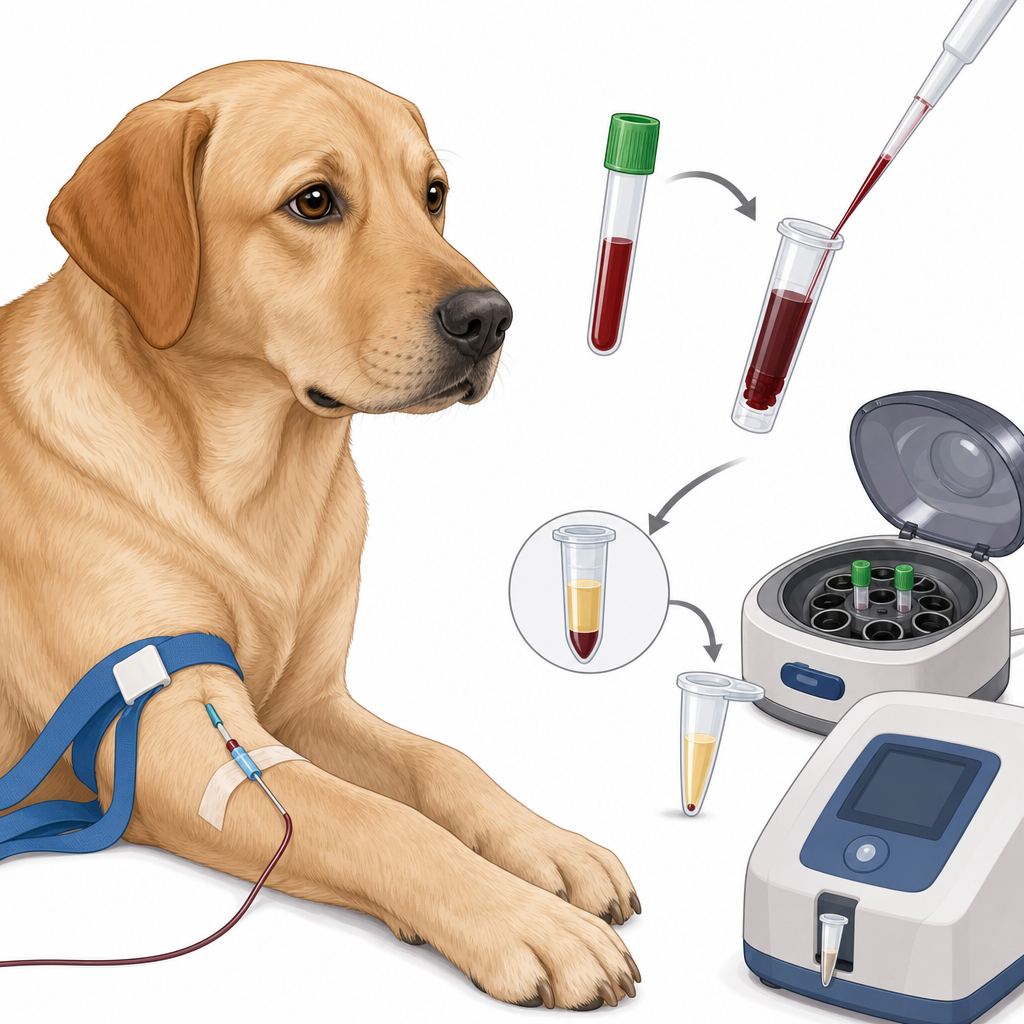
El calcio ionizado es la prueba de referencia.
Opciones de tratamiento
Causa más soporte si signos graves o valores muy altos.
"Medical therapy should be directed at eradicating the underlying cause of the hypercalcemia. Supportive therapy to decrease the serum calcium concentration to less toxic levels is indicated if clinical signs are severe, if serum calcium concentration is greater than 17 mg/dL (dog) or 16 mg/dL (cat), if serum ionized calcium is greater than 1. 8 mmol/L (dog) or 1. 7 mmol/L (cat)..."
Sodium Chloride IV; Furosemide tras hidratar; Glucocorticoids; en graves Calcitonin Salmon.
Pronóstico
Según la causa. Paratiroides benigna operada: a menudo excelente. Cáncer agresivo: reservado.
Prevención
Evitar tóxicos con vitamina D; analíticas en razas de riesgo.
Cuándo llamar al veterinario
Más sed y orina: consulta. Urgencias: convulsiones, debilidad extrema, vómitos incoercibles, bradicardia, colapso.
Para razas concretas
Keeshond: hiperparatiroidismo primario hereditario. Siamese: mayor riesgo de hipercalcemia.
Fuentes
- Small Animal Critical Care Medicine, 2nd Edition, pages 313, 314.
- Internal Medicine, 5th Edition, pages 920, 922.
My highlights & notes
Signos y síntomas
Razas de mayor riesgo
Cómo se diagnostica
- Ionized calcium measurementEstándar de referencia
- Serum PTH concentration
- Serum PTHrP concentration
- Total serum calcium measurement
Enfoques de tratamiento
El tratamiento debe recetarlo un veterinario colegiado según tu mascota. Las dosis concretas no se muestran a propósito.
Preguntas frecuentes
What is Hypercalcemia?
Hypercalcemia is an abnormally high level of calcium in a dog or cat's blood. This metabolic condition can cause severe damage to the kidneys, heart, and nervous system. Learn about the symptoms, underlying causes, diagnostic tests, and treatment options.
What are the symptoms of Hypercalcemia?
Loss of appetite、Dehydration、Lethargy、Muscle weakness、Polydipsia、Excessive urination、Vomiting (throwing up)、Constipation
How is Hypercalcemia diagnosed?
Ionized calcium measurement、Serum PTH concentration、Serum PTHrP concentration、Total serum calcium measurement
How is Hypercalcemia treated?
El tratamiento debe recetarlo un veterinario colegiado según tu mascota. Las dosis concretas no se muestran a propósito.
Fuentes
- Small Animal Critical Care Medicine, 2nd Edition (VetBooks.ir) · p. 313
- Small Animal Critical Care Medicine, 2nd Edition (VetBooks.ir) · p. 314
- Internal Medicine 5th · p. 922
- Internal Medicine 5th · p. 920
Este artículo es educación general y no sustituye el consejo veterinario profesional. Si tu mascota está mal, consulta a un veterinario.
¿Preocupado por tu mascota?
La IA de Peqaboo te ayuda a registrar síntomas, entender analíticas y saber cuándo acudir al veterinario.
Descargar la app Peqaboo