

Exercise-Induced Collapse
Canine dynamin-associated exercise-induced collapse
Also known as: EIC, Canine dynamin-associated exercise-induced collapse, dEIC
In short
Exercise-Induced Collapse (EIC) is a hereditary nervous system disorder causing sudden hind limb weakness and collapse during strenuous activity. Learn the signs, genetic causes, and how to keep affected dogs safe.
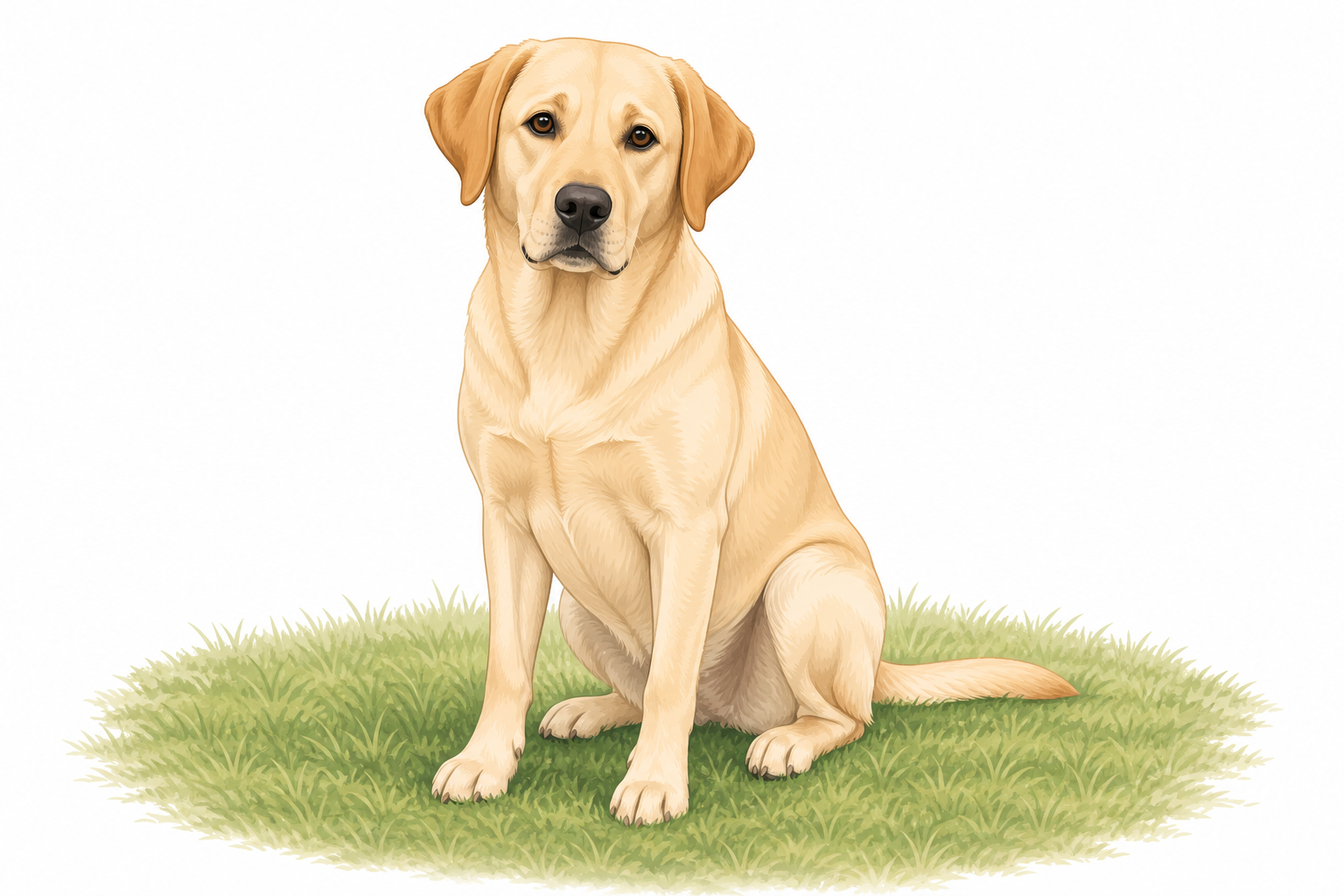
TL;DR. Exercise-Induced Collapse (EIC) is an inherited nervous system disorder that causes apparently healthy dogs to experience sudden muscle weakness, unsteadiness, and collapse after periods of intense exercise or high excitement.
Dogs with Exercise-Induced Collapse appear completely normal and healthy when at rest.
What is it?
Canine dynamin-associated exercise-induced collapse (dEIC) is a hereditary disorder affecting the central nervous system of dogs. To the untrained eye, an affected dog appears completely healthy, athletic, and normal during rest and mild activity. However, when subjected to strenuous exercise or intense emotional excitement, the dog's nervous system temporarily fails to transmit signals to the muscles properly, leading to a sudden loss of motor control.
At the cellular level, this condition is linked to a mutation in the dynamin-1 (DNM1) gene. Dynamin-1 is a protein crucial for maintaining communication between nerve cells, particularly during sustained or high-intensity activity. In a normal dog, nerve cells release chemical messengers (neurotransmitters) to signal muscles to contract, and then rapidly recycle the cellular machinery to prepare for the next signal. In dogs with EIC, this recycling process fails under stress. When the demand for rapid nerve signaling exceeds the cell's ability to recycle these components, communication breaks down, resulting in profound muscle weakness and collapse.
Understanding this disease is vital for dog owners because, while the condition is chronic and lifelong, it is highly manageable. By recognizing the triggers and adjusting your dog's lifestyle, you can prevent episodes and ensure they live a full, normal lifespan.
Causes & risk factors
Exercise-Induced Collapse is an autosomal recessive genetic disorder. This means a dog must inherit two copies of the mutated DNM1 gene—one from each parent—to be affected by the condition. Dogs with only one copy of the mutated gene are considered carriers; they do not show clinical signs of the disease but can pass the mutation on to their offspring.
The primary triggers for an EIC episode are strenuous physical exertion and high excitement. Activities that frequently precipitate collapse include:
- Repetitive retrieving drills (such as fetching balls or training with hunting dummies)
- Intense play with other dogs
- Agility trials or flyball competitions
- Excitement associated with hunting or field trials
Environmental factors also play a role. Warm, humid weather lowers the threshold for an episode, making collapse occur more rapidly and with less exertion than it would in cool weather. However, episodes can still occur in freezing temperatures if the exercise is sufficiently intense or if the dog is highly aroused.
Signs to watch for
An EIC episode typically begins after 5 to 15 minutes of strenuous exercise. The dog will transition from running normally to showing subtle signs of instability. Recognizing these early signs is critical so that you can stop the activity immediately before a complete collapse occurs.
Watch for the following symptoms during or immediately after exercise:
- Hyperthermia (Cardinal): Affected dogs develop extremely high body temperatures during an episode, often exceeding 108°F (42°C). This is a severe physiological strain and requires immediate cooling.
- Rear limb weakness (Common): The first physical sign of an impending episode is often weakness in the hind legs. The dog may drag their rear paws or seem unable to support their full weight.
- Crouched rear limb gait (Common): As weakness progresses, the dog will adopt a low, crouched posture in their hindquarters, walking with a stiff or uncoordinated stride.
- Ataxia (Common): The dog will appear uncoordinated, swaying or wobbling as if drunk.
- Collapse (Common): If the exercise is not stopped, the dog's rear limbs will give out completely. In some cases, the weakness progresses to the front limbs, leaving the dog temporarily unable to stand.
- Hyperventilation (Common): Dogs will pant heavily and rapidly, struggling to cool down and recover.
- Absent patellar reflexes (Common): If a veterinarian tests the dog's knee-jerk reflex during an episode, the reflex will be temporarily absent. It returns to normal once the dog recovers.
- Disequilibrium (Occasional): Some dogs may appear disoriented, dizzy, or lose their balance entirely during the recovery phase.

A crouched rear limb gait and weakness in the hindquarters are early warning signs of an impending collapse.
During an episode, most dogs remain fully conscious, alert, and responsive, which helps distinguish EIC from a seizure. However, they are physically unable to move their limbs.
Emergency Warning: While most dogs recover fully within 10 to 30 minutes of rest, some episodes can be fatal. If a dog is forced to continue running after the onset of symptoms, or if their body temperature is not actively lowered, they can suffer from life-threatening heatstroke, organ failure, or sudden death.
How vets diagnose it
If you suspect your dog has EIC, your veterinarian will begin with a thorough physical and neurological examination. Because dogs with EIC appear completely normal at rest, a standard physical exam in the clinic will rarely reveal any abnormalities. Your vet will need to rule out other potential causes of exercise intolerance and collapse, such as cardiovascular disease, respiratory disorders, low blood sugar (hypoglycemia), or orthopedic pain.
To establish a definitive diagnosis, your veterinarian will rely on the following diagnostic tools:
- Genetic Testing (Gold Standard): A simple, non-invasive DNA test is the gold standard for diagnosing EIC. This test detects the specific mutation in the DNM1 gene. Your vet can perform this using a blood sample or a cheek swab. The test will identify whether your dog is clear (has two normal genes), a carrier (has one mutated gene), or affected (has two mutated genes).
- Observation of Typical Collapse Episodes: Providing your veterinarian with high-quality video recordings of your dog's episodes can be incredibly valuable. Seeing the progression from hind limb weakness to collapse helps the vet differentiate EIC from other neurological or muscular disorders.
- Muscle Biopsy: In rare cases where genetic testing is inconclusive or if your vet suspects a concurrent muscle disease (myopathy), a muscle biopsy may be performed. In dogs with EIC, muscle biopsies are typically normal, which helps rule out other structural muscle diseases.
Treatment options
There is no cure or specific medical drug treatment for Exercise-Induced Collapse. Management relies entirely on lifestyle modifications, trigger avoidance, and immediate supportive care during an episode.
Immediate Episode Management
If your dog begins to show signs of weakness or incoordination during exercise, you must act immediately:
- Stop all activity: Force the dog to lie down and rest in a cool, shaded area.
- Cool the dog down: Wet the dog's body with cool (not ice-cold) water, especially around the groin, armpits, and paws. Use a fan if available to facilitate evaporative cooling.
- Monitor closely: Keep the dog calm and quiet. Do not offer large amounts of water until they have stopped hyperventilating.
Long-Term Lifestyle Management
The cornerstone of managing EIC is preventing episodes by modifying your dog's daily routine:
- Restrict triggering activities: Avoid high-intensity, repetitive activities that cause extreme excitement or physical exhaustion. Replace fetch sessions with structured, low-impact walks or controlled swimming.
- Monitor excitement levels: Excitement is a major component of EIC. If your dog becomes overly excited during play with other dogs or when visitors arrive, intervene early to calm them down.
- Exercise in cool weather: Limit outdoor activities to the early morning or late evening during the summer months. Keep exercise sessions short and take frequent breaks.
Prognosis
The long-term prognosis for dogs with EIC is excellent, provided their owners are committed to modifying their lifestyle and restricting triggering activities. Affected dogs do not experience pain between episodes, and their overall quality of life remains high. They can live a normal lifespan.
However, it is important to acknowledge the risks. If a dog's triggers are not managed, or if they are forced to continue exercising through an episode, the prognosis becomes guarded. Rare cases of sudden death during or immediately following a collapse have been documented, likely due to severe hyperthermia or respiratory failure.
Prevention
Because EIC is an inherited genetic disorder, it cannot be prevented through lifestyle changes if a dog has already inherited two copies of the mutated gene. However, the disease is entirely preventable at the population level through responsible breeding practices.
- Genetic Screening: All breeding dogs of predisposed breeds should undergo DNA testing for the DNM1 mutation prior to mating.
- Breeding Decisions: Breeders should avoid mating two carriers or two affected dogs. A carrier can be safely bred to a clear dog, as this pairing will not produce affected puppies (though some puppies will be carriers themselves).
For owners of affected dogs, prevention means strict adherence to exercise limits and avoiding high-stress, high-excitement environments.
When to call your vet
You should schedule an appointment with your veterinarian if your dog shows any signs of weakness, wobbliness, or collapse during exercise. Even if the dog recovers quickly, a professional evaluation is necessary to rule out other serious medical conditions.
Seek emergency veterinary care immediately if your dog experiences a collapse and exhibits any of the following red flags:
- The collapse lasts longer than 30 minutes.
- The dog loses consciousness or becomes unresponsive.
- The dog's body temperature remains extremely high (above 104°F/40°C) despite cooling efforts.
- The dog exhibits severe respiratory distress or blue-tinged gums.
- The dog experiences seizures or muscle tremors during or after the collapse.
For specific breeds
While EIC can theoretically affect any dog carrying the mutation, it is highly concentrated in specific breeds. According to a leading veterinary internal medicine reference:
"Canine dynamin-associated exercise-induced collapse (dEIC) is an autosomal recessive CNS disorder common in Labrador Retrievers and occasionally identified in Chesapeake Bay Retrievers, Curly-Coated Retrievers, Boykin Spaniels, Welsh Corgis, German Wirehaired Pointers, and most recently in Old English Sheepdogs."
If you own one of these breeds, or a Border Collie or Pembroke Welsh Corgi, being aware of this genetic predisposition is essential. If you plan to participate in high-energy sports, hunting, or agility with these breeds, preemptive genetic testing is highly recommended to ensure your dog can safely participate in these demanding activities.
Sources
- Internal Medicine, 5th Edition, page 1133.
My highlights & notes
Signs & symptoms
Breeds at higher risk
How it is diagnosed
- Genetic testing for dynamin-1 mutationGold standard
- Muscle biopsy
- Observation of typical collapse episodes
Frequently asked questions
What is Exercise-Induced Collapse?
Exercise-Induced Collapse (EIC) is a hereditary nervous system disorder causing sudden hind limb weakness and collapse during strenuous activity. Learn the signs, genetic causes, and how to keep affected dogs safe.
What are the symptoms of Exercise-Induced Collapse?
hyperthermia、Ataxia (wobbly, unsteady walking)、absent patellar reflexes、Collapse (suddenly going down)、crouched rear limb gait、hyperventilation、rear limb weakness、disequilibrium
How is Exercise-Induced Collapse diagnosed?
Genetic testing for dynamin-1 mutation、Muscle biopsy、Observation of typical collapse episodes
Sources
- Internal Medicine 5th · p. 1133
This article is for general education and is not a substitute for professional veterinary advice. If your pet is unwell, please consult a veterinarian.
Worried about your pet?
Peqaboo’s AI helps you track symptoms, understand lab reports, and know when to see a vet.
Get the Peqaboo app