

Hyperlipidemia
Also known as: Hypertriglyceridemia, Hypercholesterolemia, Hyperlipemia
In short
Hyperlipidemia is an excess of fats, such as triglycerides or cholesterol, in your pet's blood. While often secondary to other metabolic conditions, it can be a primary genetic disorder requiring lifelong dietary and medical management to prevent serious complications like pancreatitis.
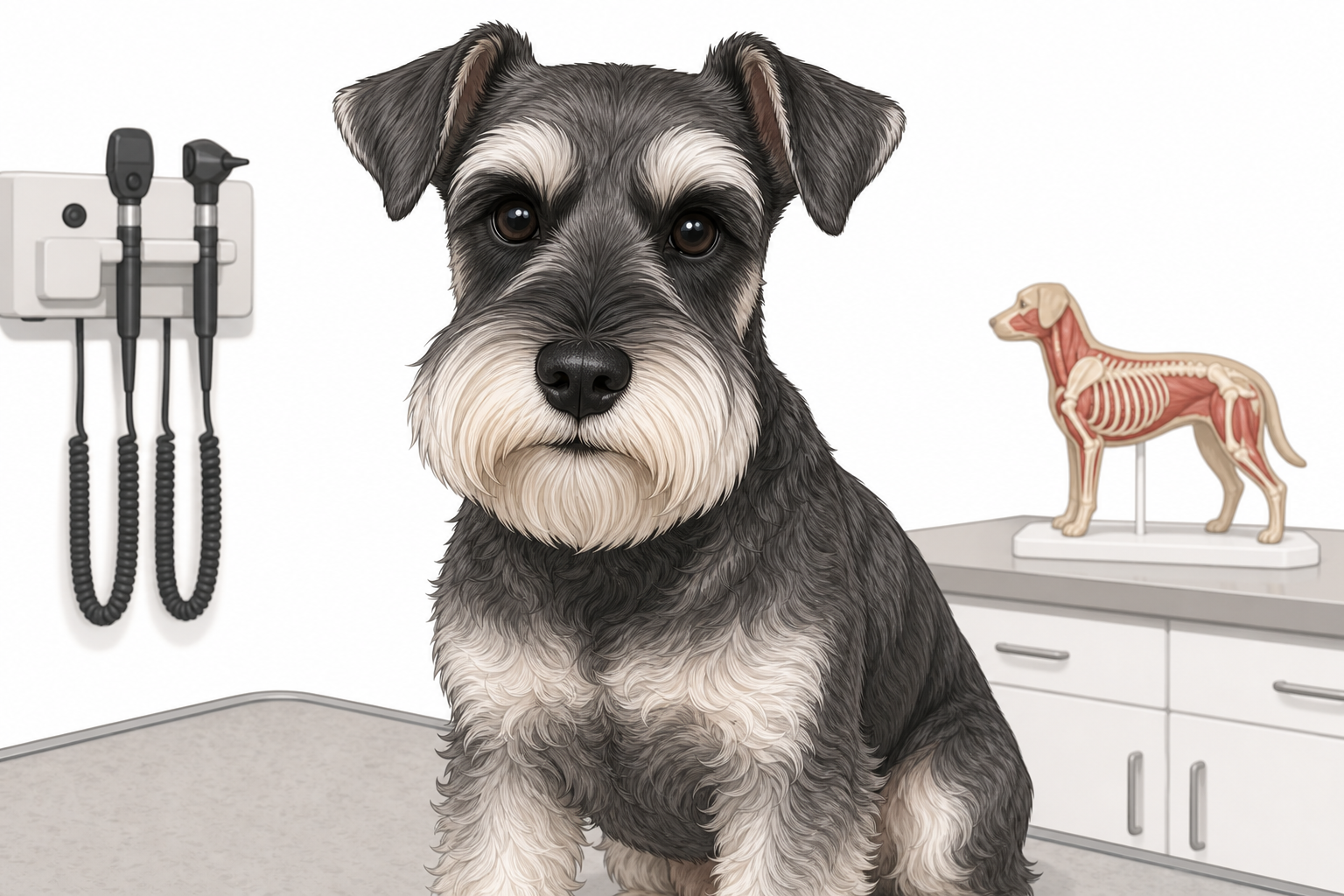
TL;DR. Hyperlipidemia is an elevation of fats in your pet's bloodstream that can occur naturally after a meal or point to an underlying metabolic disease, sometimes requiring lifelong dietary management to prevent severe complications like pancreatitis.
Certain breeds, such as the Miniature Schnauzer, are predisposed to developing hyperlipidemia.
What is it?
Just like humans, dogs and cats require a certain amount of fat in their blood to function. These fats, known scientifically as lipids, primarily exist in two forms: cholesterol and triglycerides. They serve as vital energy sources and building blocks for cells. However, when the concentration of these lipids in the bloodstream rises to abnormally high levels, the condition is called hyperlipidemia.
To understand hyperlipidemia, it helps to look at how your pet's body processes fat. After your pet eats a meal, their digestive tract breaks down dietary fats and packages them into tiny droplets called chylomicrons. The liver also produces its own fat packages, known as very low-density lipoproteins (VLDLs). Normally, these particles circulate in the blood, delivering energy to tissues, and are cleared within a few hours.
There are two main types of hyperlipidemia:
- Physiological (Postprandial) Hyperlipidemia: This is a normal, temporary spike in blood fats that occurs shortly after eating. It is not a disease. Within 3 to 10 hours after a meal, the body clears these fats, and levels return to normal.
- Pathological Hyperlipidemia: This is an abnormal, persistent elevation of blood fats. It occurs either because the body is producing too many lipids or because it cannot clear them from the bloodstream effectively. This form can be primary (caused by a genetic defect) or secondary (triggered by an underlying disease or dietary issue).
When triglyceride levels become extremely high, they physically alter the appearance of your pet's blood. A leading veterinary internal medicine reference describes this visual change:
"Lactescence refers to the opaque and milk-like appearance of serum samples that occurs when elevation of the triglyceride level is sufficient. Animals with lactescent serum typically have triglyceride concentrations that exceed 1000 mg/dL. Conversely, animals that are purely hypercholesterolemic do not exhibit lipemic or lactescent serum because the cholesterol-rich LDL and HDL particles are too small to scatter light."
If left unmanaged, severe hyperlipidemia can lead to significant organ damage, particularly affecting the pancreas, eyes, nervous system, and skin.
Causes & risk factors
Hyperlipidemia is categorized by its root cause. Understanding why your pet has elevated blood fats is the first step in creating an effective treatment plan.
Secondary Hyperlipidemia
This is the most common form of the disorder in both dogs and cats. It occurs when an underlying disease, medication, or dietary factor disrupts normal lipid metabolism. According to a leading veterinary internal medicine reference:
"Hypertriglyceridemia can develop secondary to increased chylomicron production (excessive dietary intake of lipid), ineffective clearance of the chylomicron particle, increased VLDL production (excessive dietary intake of lipid and/ or carbohydrate, excessive endogenous production or mobilization of lipids), and ineffective clearance of the VLDL particle."
Common secondary triggers include:
- Endocrine Diseases: Conditions like diabetes mellitus, hypothyroidism (underactive thyroid), and Cushing's disease (hyperadrenocorticism) severely disrupt how the body processes fats.
- Dietary Factors: Consistently feeding diets high in fat or table scraps can overwhelm the body's clearance mechanisms. Obesity also plays a major role.
- Organ Dysfunction: Kidney disease (especially nephrotic syndrome) and liver disease can impair lipid clearance.
- Pancreatitis: Inflammation of the pancreas can both cause and be caused by hyperlipidemia, creating a dangerous cycle.
Primary Hyperlipidemia
This form is caused by an inherited genetic defect that prevents the body from producing the enzymes or proteins needed to break down and clear lipids. It is a lifelong condition that requires constant management.
Risk Factors and Breed Predispositions
While any dog or cat can develop secondary hyperlipidemia due to illness or poor diet, certain breeds carry a much higher risk for the primary, genetic form. Miniature Schnauzers are highly predisposed, with a suspected genetic defect in lipid clearance. Doberman Pinschers and Rottweilers also show an increased risk, though the exact genetic mechanisms in these breeds remain unknown.
Signs to watch for
Many pets with mild to moderate hyperlipidemia show no outward signs of illness. The condition is often discovered incidentally during routine blood tests. However, when lipid levels—particularly triglycerides—become severely elevated, clinical signs begin to emerge.
As noted in a leading veterinary internal medicine reference:
"Severe hypertriglyceridemia (levels exceeding 1000 mg/dL) has been associated with pancreatitis, lipemia retinalis, seizures, cutaneous xanthomas, peripheral nerve paralysis, and behavioral changes."
Common Signs
- Cutaneous xanthomas: These are small, yellowish-white, fat-filled bumps or nodules on the skin. They represent lipid-laden immune cells (macrophages and foam cells) and are the most common physical sign of hyperlipidemia in cats.

Cutaneous xanthomas are lipid-filled skin nodules that are the most common physical sign of hyperlipidemia in cats.
Occasional to Rare Signs
- Abdominal pain and vomiting: Often caused by secondary pancreatitis.
- Anorexia and diarrhea: General digestive upset associated with high fat levels.
- Seizures and behavioral changes: Caused by the effects of hyperlipidemia on brain circulation.
- Peripheral neuropathy: Nerve damage that can manifest as weakness or localized paralysis, such as tibial nerve paralysis or radial nerve paralysis (causing limping or dragging of a limb).
- Eye abnormalities:
- Lipemia retinalis: A milky appearance of the blood vessels in the retina.
- Corneal arcus lipoides: White, lipid deposits in the cornea of the eye.
- Uveitis: Painful inflammation inside the eye.
- Lipid-laden aqueous humor: Visible fat droplets floating in the front chamber of the eye.
- Sudden blindness: Occurs in severe cases due to retinal or uveal complications.
- Horner's syndrome: A specific neurological disorder affecting the muscles of the face and eye.
- Atherosclerosis: Hardening and narrowing of the arteries, which is rare in pets compared to humans but can occur with chronic, severe lipid elevations.
Red-Flag Emergency Signs: If your pet exhibits sudden blindness, severe abdominal pain (often marked by a "hunched up" posture), persistent vomiting, or seizures, seek immediate veterinary care.
How vets diagnose it
Diagnosing hyperlipidemia requires a systematic approach to confirm the elevation, determine which lipids are affected, and identify whether the cause is primary or secondary.

Lactescent (milky) serum occurs when triglyceride levels in the blood exceed 1000 mg/dL.
The Diagnostic Pathway
- Fasting Blood Sample: Your vet will require your pet to fast for at least 12 hours before drawing blood. This is critical to rule out normal post-meal (postprandial) lipid spikes.
- Serum Sample Assessment: The vet or lab technician will visually inspect the liquid portion of the blood (the serum). If the serum is milky or opaque (lactescent), it indicates a significant elevation of triglycerides, typically over 1000 mg/dL. Clear serum with high measured cholesterol confirms that the elevation is purely cholesterol-based, as cholesterol particles do not scatter light.
- Chylomicron Test (Refrigeration Test): The serum sample is refrigerated overnight. If a creamy layer forms at the top while the bottom remains clear or cloudy, chylomicrons are present. This helps pinpoint which lipid pathways are malfunctioning.
- Heparin Release Test: This specialized test evaluates the activity of lipoprotein lipase, the enzyme responsible for clearing fats from the blood. A leading veterinary internal medicine reference explains the procedure:
"Serum samples for determination of triglyceride concentrations (and, if possible, lipoprotein concentrations) are obtained before and 15 minutes after intravenous administration of heparin (100 IU/kg body weight in dogs and cats). Heparin causes the release of lipoprotein lipase from the endothelium and stimulates the hydrolysis of triglycerides. A defect in lipoprotein lipase is suspected if the enzyme fails to rise appropriately."
- Lipoprotein Electrophoresis: This test separates the different types of proteins that carry fat through the blood, providing a detailed map of your pet's lipid profile.
- Ultracentrifugation (The Gold Standard): This is the most precise diagnostic test available. It uses high-speed spinning to separate and measure different lipoprotein fractions based on their density. Because of its complexity, it is typically performed at specialized reference laboratories.
Your vet will also perform routine blood chemistry, urinalysis, and hormone testing to screen for secondary causes like diabetes, hypothyroidism, or Cushing's disease.
Treatment options
Treatment strategies depend heavily on whether the hyperlipidemia is primary or secondary, and how high the lipid levels are.
Managing Secondary Hyperlipidemia
If an underlying disease is identified, treating that condition is the primary goal. For example, regulating a diabetic pet's insulin or starting thyroid hormone replacement for a hypothyroid dog will often resolve or dramatically improve the hyperlipidemia without further intervention.
Dietary Management (First-Line Therapy)
For both primary and secondary hyperlipidemia, dietary modification is the cornerstone of management. Your pet must transition to a highly digestible, ultra-low-fat veterinary prescription diet. Maintaining an ideal body weight is critical. A leading veterinary internal medicine reference emphasizes the importance of weight management:
"It is important that clients be instructed in both how to feed their pet and how to regularly determine the pet's body condition such that they can maintain the ideal body condition of their pet. Weight education should be reinforced at least annually during the health examination."
Medical Therapies (Second-Line Therapy)
If dietary changes alone do not lower lipid levels sufficiently—especially in pets with primary hyperlipidemia or those at high risk for pancreatitis—your vet may prescribe medical therapies. These medications are used to help lower blood fats or manage complications:
- Gemfibrozil: This is an antihyperlipidemic medication belonging to the fibrate class. It works by reducing the liver's production of VLDLs and increasing the clearance of triglycerides from the blood.
- Niacinamide: This immunomodulator and nutritional supplement is sometimes used in combination therapies to help regulate lipid levels.
- Octreotide Acetate: This somatostatin analog is a specialized medication that may be utilized in complex cases, particularly when managing severe complications like acute pancreatitis.
Prognosis
The long-term outlook for pets with hyperlipidemia depends entirely on the underlying cause:
- Secondary Hyperlipidemia: The prognosis is generally excellent. Once the underlying metabolic or endocrine disease is successfully managed, lipid levels typically return to normal or improve significantly.
- Primary Hyperlipidemia: Because genetic defects cannot be cured, the prognosis is fair to good, but it requires a lifelong commitment. Pets can live long, happy lives, but they must remain on strict low-fat diets and potentially receive daily medications. Regular veterinary monitoring is required to prevent flare-ups of pancreatitis or other complications.
Prevention
Primary genetic hyperlipidemia cannot be prevented, but its complications can be managed through early detection.
- Routine Screening: If you own a breed predisposed to the condition, ask your vet to include fasting lipid checks in their annual blood work, starting in young adulthood.
- Weight Management: Keep your pet at a lean, healthy body condition. Avoid feeding high-fat table scraps, butter, or greasy treats, which can trigger acute metabolic crises.
- Annual Exams: Ensure your vet assesses your pet's body condition score annually to catch weight gain early.
When to call your vet
If your pet has been diagnosed with hyperlipidemia or belongs to a high-risk breed, you must monitor them closely for complications. Contact your veterinarian immediately if you notice:
- Signs of acute pancreatitis: Severe abdominal pain (arching the back, whining when touched), persistent vomiting, extreme lethargy, or refusal to eat.
- Neurological changes: Seizures, sudden behavioral changes, or weakness/dragging of the limbs.
- Eye changes: Cloudiness in the eyes, squinting, redness, or sudden signs of vision loss (bumping into furniture).
For specific breeds
If you own a Miniature Schnauzer, Doberman Pinscher, or Rottweiler, you should be proactive. Because these breeds have a higher risk of genetic lipid disorders, work closely with your vet to establish a baseline fasting blood profile. Early dietary intervention in these breeds can prevent the development of painful, life-threatening conditions like pancreatitis before clinical signs ever appear.
Sources
- Textbook of Veterinary Internal Medicine, 5th Edition, pages 904, 905, 906, 907, 908.
My highlights & notes
Signs & symptoms
Breeds at higher risk
How it is diagnosed
- UltracentrifugationGold standard
- Chylomicron test
- Fasting blood sample
- Heparin release test
- Lipoprotein electrophoresis
- Serum sample assessment
Treatment approaches
Treatment must be prescribed by a licensed veterinarian based on your pet. Specific drug doses are intentionally not shown here.
Frequently asked questions
What is Hyperlipidemia?
Hyperlipidemia is an excess of fats, such as triglycerides or cholesterol, in your pet's blood. While often secondary to other metabolic conditions, it can be a primary genetic disorder requiring lifelong dietary and medical management to prevent serious complications like pancreatitis.
What are the symptoms of Hyperlipidemia?
Cutaneous xanthomas、Loss of appetite、Atherosclerosis、Behavioral changes、Blindness (loss of vision)、Corneal arcus lipoides、Diarrhoea、Horner's syndrome
How is Hyperlipidemia diagnosed?
Ultracentrifugation、Chylomicron test、Fasting blood sample、Heparin release test、Lipoprotein electrophoresis、Serum sample assessment
How is Hyperlipidemia treated?
Treatment must be prescribed by a licensed veterinarian based on your pet. Specific drug doses are intentionally not shown here.
Sources
- Internal Medicine 5th · p. 908
- Internal Medicine 5th · p. 906
- Internal Medicine 5th · p. 905
- Internal Medicine 5th · p. 907
- Internal Medicine 5th · p. 904
This article is for general education and is not a substitute for professional veterinary advice. If your pet is unwell, please consult a veterinarian.
Worried about your pet?
Peqaboo’s AI helps you track symptoms, understand lab reports, and know when to see a vet.
Get the Peqaboo app