

Hyperthyroidism
Thyrotoxicosis
Also known as: Feline hyperthyroidism, Thyrotoxicosis
In short
Hyperthyroidism is a common endocrine disorder in older pets, especially cats, characterized by an overactive thyroid gland. Learn about the symptoms, diagnostic tests, and treatment options.
TL;DR. Hyperthyroidism is a highly treatable hormonal disorder common in older cats (and occasionally dogs) that accelerates the body's metabolism, causing weight loss despite a ravenous appetite.
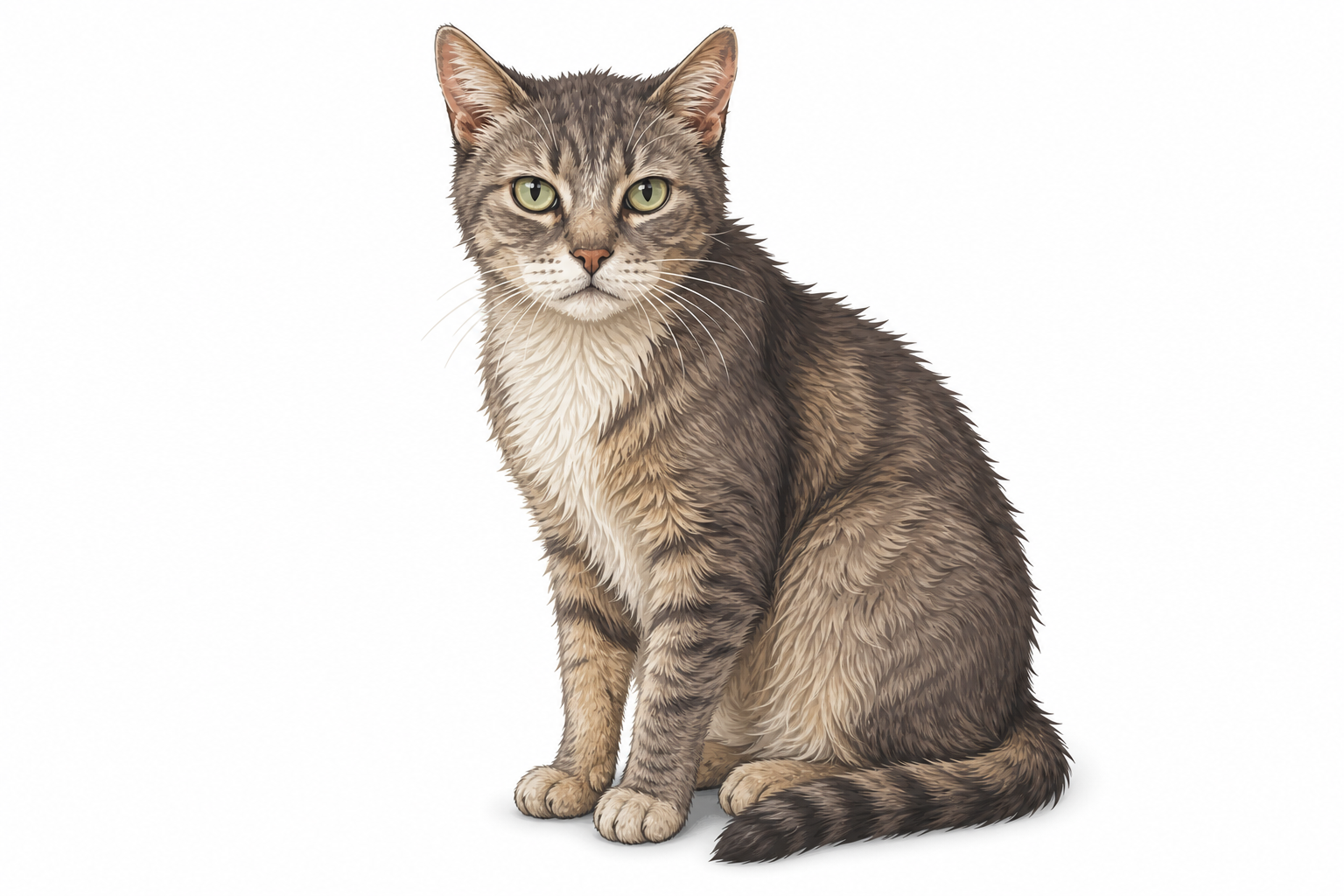
Hyperthyroidism is a common condition in senior cats, often presenting with weight loss and a poor coat.
What is it?
Hyperthyroidism, also known scientifically as thyrotoxicosis, is a common endocrine (hormonal) disorder that primarily affects older cats, though it can occasionally occur in dogs. The condition is characterized by the excessive secretion of thyroid hormones from the thyroid glands, which are located in the neck. In the vast majority of feline cases, this overproduction is caused by a non-cancerous enlargement of the glands, known as adenomatous hyperplasia, or a benign tumor called an adenoma. Malignant tumors (thyroid carcinomas) are a rare cause in cats, though they are more common when the disease occurs in dogs.
Thyroid hormones (primarily thyroxine, or T4) act as the body's metabolic thermostat, regulating how quickly cells convert nutrients into energy. When these hormone levels are abnormally high, the pet enters a multisystemic hypermetabolic state. Essentially, the animal's internal engine is forced to run constantly at redline. Every organ system is compelled to work overtime, which eventually takes a severe toll on the heart, kidneys, gastrointestinal tract, and central nervous system.
For pet owners, understanding this disease is crucial because its early signs can easily be mistaken for normal aging or a robust appetite. Left untreated, the constant strain on the cardiovascular system can lead to high blood pressure, heart failure, and other life-threatening complications. Fortunately, with modern veterinary medicine, hyperthyroidism is one of the most manageable and treatable endocrine disorders in veterinary practice.
Causes & risk factors
While the physical cause of hyperthyroidism is the physical enlargement or tumorous change of the thyroid tissue, the underlying triggers that cause these changes to occur remain a subject of intense veterinary research. It is widely believed to be a multifactorial disease influenced by both genetics and environmental exposures.
According to a leading veterinary internal medicine reference, several dietary and environmental factors have been linked to the development of the condition:
"Excessive or deficient iodine content, isoflavones from soybeans, chemicals lining pop-top canned foods (specifically bisphenol A) that have migrated into the food during storage, and exposure to kitty litter and endocrine disruptors such as polybrominated diphenyl ethers (PBDEs) identified in cat food and house dust have been proposed as possible etiologic factors."
In addition to environmental factors, genetics play a role. Certain breeds show a higher statistical predisposition to developing the disease. Among cats, the Siamese, Himalayan, and American Shorthair are more frequently affected. Interestingly, while hyperthyroidism is rare in dogs, the structured veterinary data notes predispositions in Domestic Shorthair Dogs, Domestic Longhair Dogs, and Siamese Dogs. In dogs, the disease is more frequently associated with thyroid carcinoma rather than the benign hyperplasia typically seen in felines.
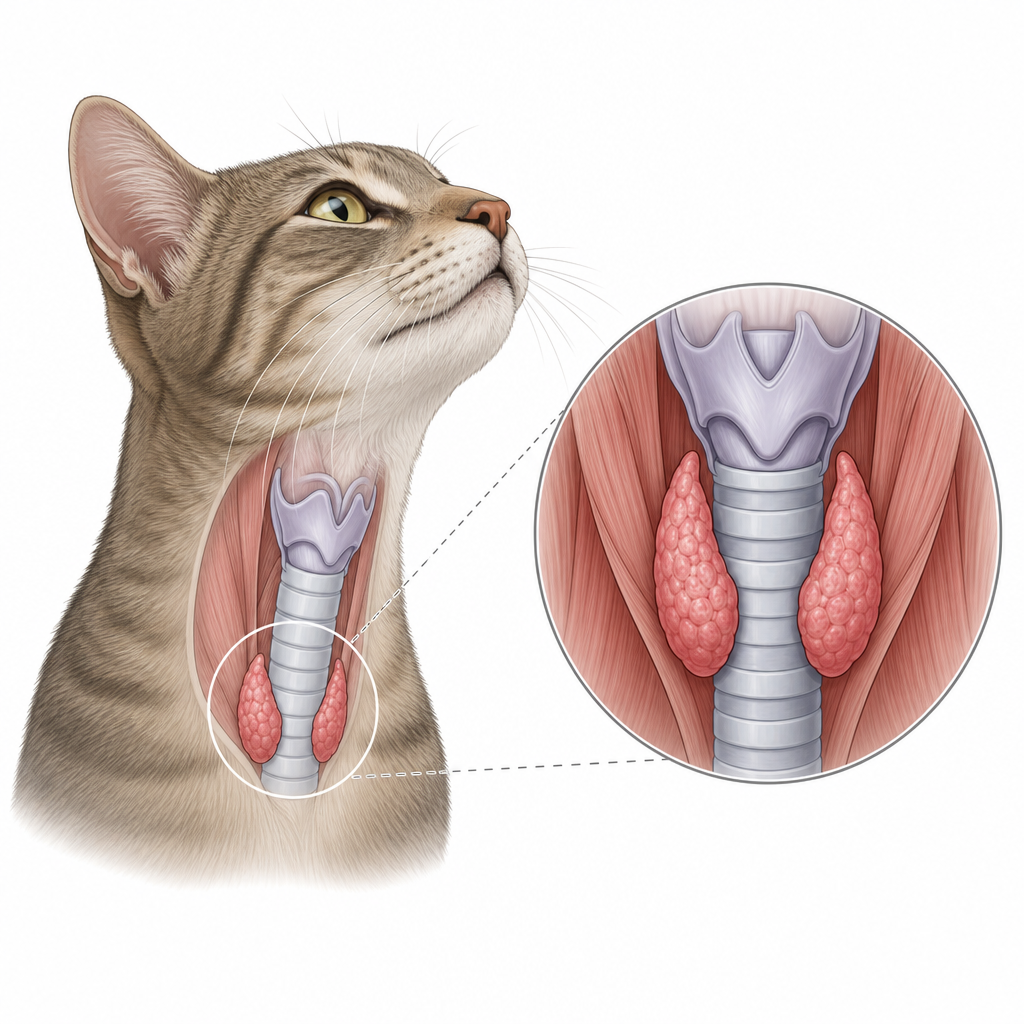
The thyroid glands are located on either side of the trachea in the neck.
Signs to watch for
Because hyperthyroidism accelerates the body's metabolic rate, the clinical signs are diverse and affect multiple organ systems. The symptoms are generally categorized by how frequently they are observed in clinical practice:
Common Signs
- Weight loss: This is often the most prominent sign, occurring despite a significantly increased appetite.
- Polyphagia (increased appetite): Your pet may seem constantly starving or beg for food continuously.
- Polydipsia and Polyuria (increased thirst and urination): The hypermetabolic state increases blood flow to the kidneys, prompting more frequent drinking and urination.
- Unkempt haircoat: The pet's fur may appear greasy, matted, or poorly groomed.
- Tachycardia (rapid heart rate): The heart must pump faster to meet the metabolic demands of the tissues.
- Vomiting: Frequent vomiting can occur due to rapid eating or the direct effects of thyroid hormones on the brain's vomiting center.
- Palpable thyroid mass: Your veterinarian can often feel an enlarged thyroid gland (sometimes called a "thyroid slip") during a physical exam.
Occasional Signs
- Lethargy or weakness: While some pets are hyperactive, others become weak and easily fatigued as the disease exhausts their energy reserves.
- Aggressive or hyperactive behavior: Pets may become irritable, restless, or exhibit sudden behavioral changes.
- Diarrhea: Rapid gastrointestinal transit times can lead to loose stools.
- Hypertension (high blood pressure): This is a silent but dangerous complication that can damage delicate blood vessels.
- Anorexia: In advanced or atypical cases, a pet may lose their appetite entirely.
Rare Signs
- Ventral flexion of the neck: A rare condition where the pet is physically unable to lift their head, typically caused by severe muscle weakness or concurrent nutritional imbalances.
Red-Flag Emergency Signs: If your pet experiences sudden blindness (often caused by high blood pressure causing retinal detachment), severe difficulty breathing (which can indicate congestive heart failure), or sudden collapse, you must seek emergency veterinary care immediately.
How vets diagnose it
Diagnosing hyperthyroidism begins with a thorough physical examination. Your vet will carefully palpate your pet's neck to feel for an enlarged thyroid gland. However, because older pets often suffer from multiple concurrent conditions, a comprehensive physical exam is vital to rule out other diseases.
As noted in a leading veterinary internal medicine reference:
"The abdomen should be carefully palpated in a search for thickening of the intestinal tract and mesenteric lymphadenopathy—findings that may be the only clues for intestinal lymphoma. Diagnosis of hyperthyroidism is based on identification of appropriate clinical signs, palpation of a thyroid nodule, and..."
To confirm the diagnosis, your vet will perform specific diagnostic tests:
- Baseline Serum T4 Concentration: This is the primary screening test. It measures the total amount of thyroxine hormone in the blood. In most hyperthyroid pets, this value will be clearly elevated. In some early or mild cases, the T4 level may fluctuate into the normal range; in these scenarios, your vet may recommend a free T4 test or repeat the baseline test a few weeks later.
- Cervical Ultrasound: This imaging technique allows the vet to visualize the thyroid glands directly.
"Ultrasonographic evaluation of the thyroid gland can be used to confirm the origin of the palpable cervical mass, differentiate unilateral versus bilateral thyroid lobe involvement, assess the size of the thyroid mass(es), and provide guidance for developing the best treatment plan... Ultrasound does not provide information on the functional status of the thyroid mass."
- Radionuclide Scan (Technetium Scan): Considered the gold standard for evaluating thyroid function and identifying ectopic thyroid tissue (abnormal thyroid tissue that has migrated into the chest cavity). This scan is highly useful before surgery or radioactive iodine therapy.
"Studies have found a correlation between thyroid/background ratios determined from pretreatment technetium scans and resolution of hyperthyroidism after treatment with radioactive iodine, but no correlation between pretreatment serum T4 concentration or thyroid/salivary gland ratios and subsequent resolution of hyperthyroidism..."
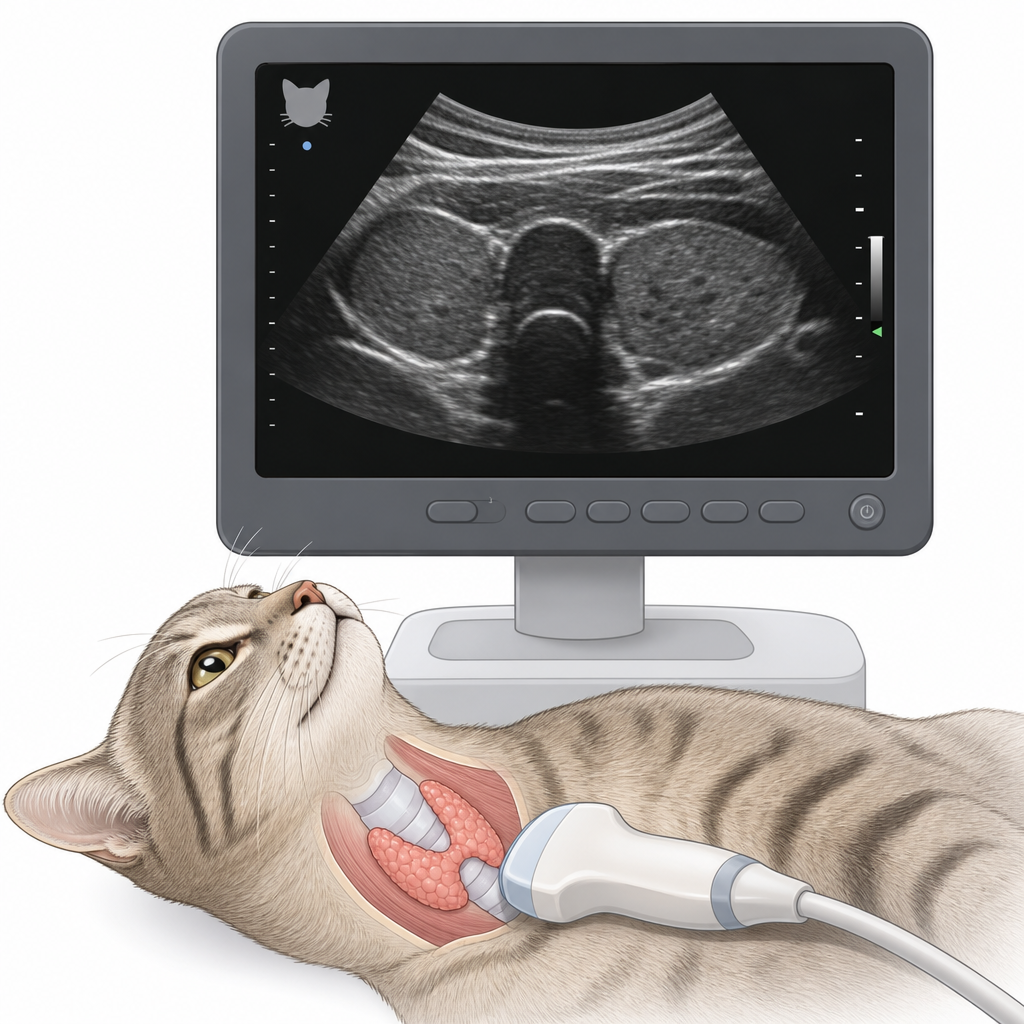
Cervical ultrasound helps veterinarians evaluate the size and structure of the thyroid glands.
Treatment options
There are several effective ways to manage or cure hyperthyroidism. The best choice depends on your pet's age, overall health, kidney function, and your lifestyle.
First-Line Medical Therapy
Medical management is the most common initial approach. It does not cure the disease but controls the production of thyroid hormones.
- Methimazole: This is an antithyroid agent (specifically a thioimidazole derivative) that blocks the chemical reactions required to produce T3 and T4. It is highly effective and can be administered as an oral tablet or formulated into a transdermal gel that you rub inside your pet's ear. This medication requires lifelong, daily administration.
- Carbimazole: Another anti-thyroid medication used in some regions. Once ingested, it is converted by the body into methimazole. It is often chosen because it may cause fewer gastrointestinal side effects in some sensitive patients.
Second-Line and Supportive Therapy
Because hyperthyroidism frequently causes secondary complications, supportive medications are often necessary.
- Amlodipine: This is a calcium channel blocker used specifically to treat systemic hypertension (high blood pressure). High blood pressure is a dangerous consequence of an overactive thyroid and must be managed to prevent catastrophic damage to the eyes and brain.
"Retinal hemorrhage and retinal detachment are the most common clinical complications of systemic hypertension in hyperthyroid cats, but in general, ocular lesions are not commonly identified. Resolution of systemic hypertension following treatment of the hyperthyroid state is unpredictable and dependent, in part, on the underlying cause of the hypertension."
Definitive Therapies
For a permanent cure, your vet may discuss radioactive iodine therapy (I-131) or surgical removal of the affected thyroid gland (thyroidectomy). Radioactive iodine is widely considered the safest and most effective cure, as it selectively destroys the overactive thyroid tissue without damaging surrounding structures. However, it requires specialized hospitalization while the radioactive material clears from the pet's body.
Prognosis
The long-term prognosis is excellent for most cats with hyperthyroidism, provided that any concurrent diseases can be managed successfully and thyroid carcinoma is not the underlying cause.
One critical aspect of the prognosis is the "kidney-thyroid connection." Hyperthyroidism artificially increases blood flow to the kidneys, which can mask pre-existing chronic kidney disease (CKD). When the thyroid hormone levels are brought back down to normal, the blood flow to the kidneys decreases, which may reveal or worsen kidney disease. For this reason, your veterinarian will perform regular blood and urine tests to monitor kidney function closely during the initial stages of treatment.
If the disease is caused by a rare malignant thyroid carcinoma (more common in dogs), the prognosis is more guarded and typically requires aggressive surgical intervention or high-dose radioactive iodine therapy.
Prevention
Because the exact environmental and genetic triggers of hyperthyroidism are not fully understood, there is no guaranteed way to prevent the disease. However, you can take proactive steps to minimize potential risk factors:
- Dietary consistency: Avoid diets with highly variable iodine levels or heavy reliance on soy-based ingredients.
- Reduce chemical exposure: Minimize your pet's exposure to household dust containing flame retardants (PBDEs) by vacuuming regularly, and limit the use of pop-top canned foods lined with BPA if possible.
- Routine screening: The most effective tool is early detection. Ensure your senior pet (over 7 years of age) receives annual or bi-annual veterinary exams that include careful neck palpation and routine blood panels containing a baseline T4 test.
When to call your vet
You should schedule a non-emergency veterinary appointment if you notice your older pet losing weight despite eating well, drinking more water than usual, or showing changes in their coat quality or behavior.
You must contact your veterinarian immediately or go to an emergency clinic if your pet experiences sudden blindness, dilated pupils that do not shrink in bright light, severe lethargy, difficulty breathing, or collapse.
For specific breeds
If you own a Siamese, Himalayan, or American Shorthair cat, you should be particularly vigilant. These breeds have a documented genetic predisposition to developing hyperthyroidism.
For dog owners, while the disease is rare, those with Domestic Shorthair Dogs, Domestic Longhair Dogs, or Siamese Dogs should ensure that routine senior blood work always includes a thyroid check, as early detection of thyroid masses in dogs is critical due to the higher likelihood of malignancy in canine thyroid tumors.
Sources
- Internal Medicine, 5th Edition, Pages 795, 797, 800, 805.
My highlights & notes
Signs & symptoms
Breeds at higher risk
How it is diagnosed
- Baseline Serum T4 Concentration
- Cervical Ultrasound
- Palpation of a thyroid nodule
- Radionuclide scan
Treatment approaches
Treatment must be prescribed by a licensed veterinarian based on your pet. Specific drug doses are intentionally not shown here.
Frequently asked questions
What is Hyperthyroidism?
Hyperthyroidism is a common endocrine disorder in older pets, especially cats, characterized by an overactive thyroid gland. Learn about the symptoms, diagnostic tests, and treatment options.
What are the symptoms of Hyperthyroidism?
Palpable thyroid mass、Polydipsia、Increased appetite、Excessive urination、Fast heart rate、Unkempt haircoat、Vomiting (throwing up)、Weight loss (getting thinner)
How is Hyperthyroidism diagnosed?
Baseline Serum T4 Concentration、Cervical Ultrasound、Palpation of a thyroid nodule、Radionuclide scan
How is Hyperthyroidism treated?
Treatment must be prescribed by a licensed veterinarian based on your pet. Specific drug doses are intentionally not shown here.
Sources
- Internal Medicine 5th · p. 797
- Internal Medicine 5th · p. 797
- Internal Medicine 5th · p. 795
- Internal Medicine 5th · p. 800
- Internal Medicine 5th · p. 805
This article is for general education and is not a substitute for professional veterinary advice. If your pet is unwell, please consult a veterinarian.
Worried about your pet?
Peqaboo’s AI helps you track symptoms, understand lab reports, and know when to see a vet.
Get the Peqaboo app