

Constipation
Also known as: Obstipation
In short
Constipation is a common but potentially serious gastrointestinal condition in dogs and cats. If left untreated, it can progress to obstipation—an intractable blockage—and permanent colon damage. Learn the signs, diagnostic steps, and veterinary-approved treatments.
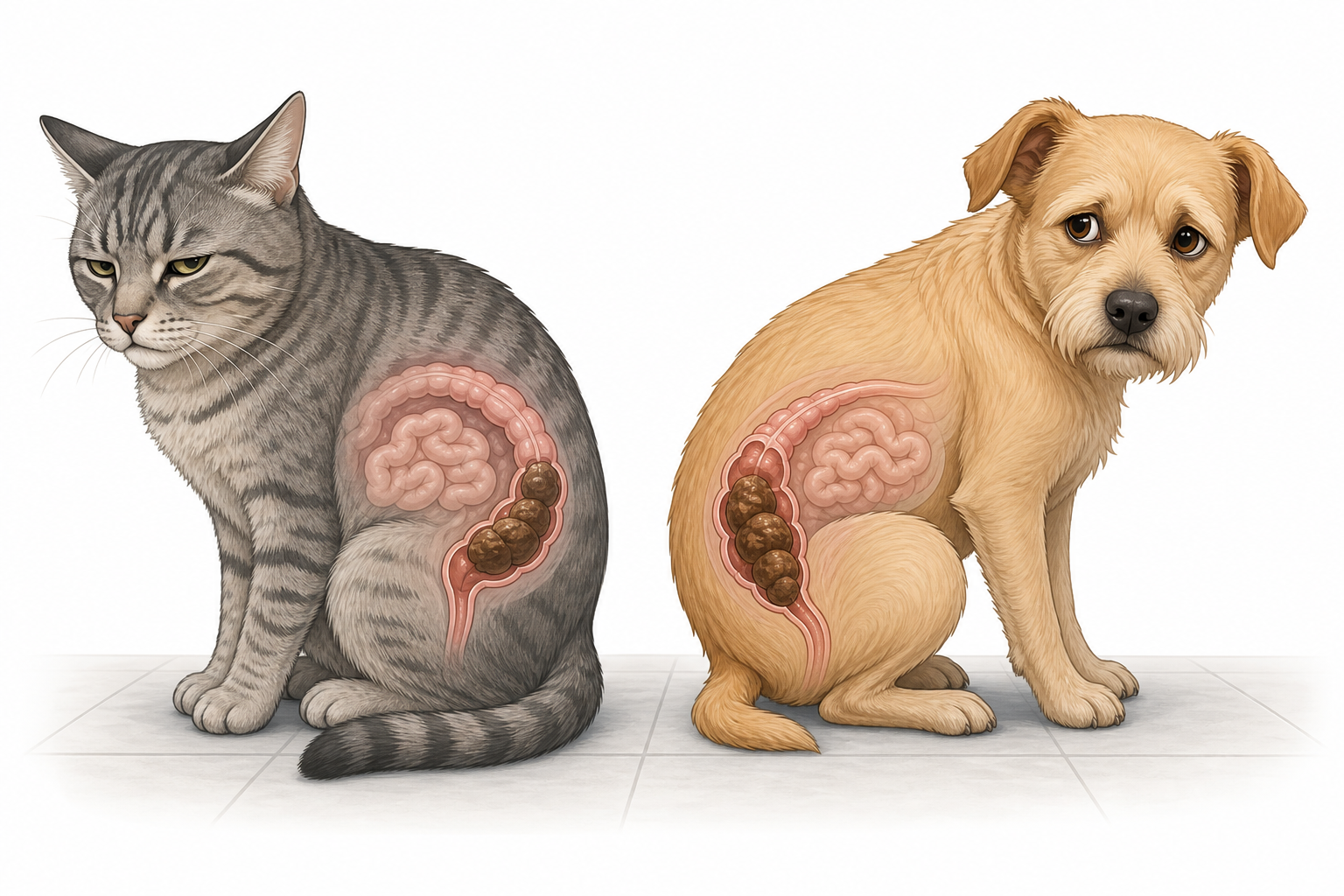
TL;DR. Constipation is a common gastrointestinal issue where pets struggle to pass stool; if left untreated, it can progress to permanent colon damage (obstipation) requiring intensive veterinary intervention.
Constipation can affect both dogs and cats, ranging from mild discomfort to a serious medical issue.
What is it?
Constipation is a gastrointestinal condition characterized by infrequent, difficult, or absent evacuation of feces. In its early stages, it is a temporary inconvenience. However, if the underlying cause is not resolved, the condition can progress to obstipation—an intractable form of constipation where the colon is packed with hard, dry fecal matter that the pet cannot pass on their own. This progression often leads to colonic impaction, where the feces become a solid, obstructive mass.
To understand why this happens, it helps to understand how the colon functions. The colon's primary roles are to absorb water and electrolytes from digested food and to store waste before defecation. Coordinated muscular contractions, known as peristalsis, move waste toward the rectum. When transit slows down, the colon continues to absorb water from the fecal mass. The longer feces remain in the colon, the drier, harder, and more compacted they become.
If this retention becomes chronic, it can cause irreversible damage to the colon's structure and function. As noted in a leading soft tissue surgery textbook:
"retention of feces, if chronic or prolonged, can result in severe distention of the colon and motility disorders. It can also result in various degrees of mucosal injury that may result in absorption of bacterial toxins contributing to more severe clinical signs."
Over time, this severe stretching (distention) can permanently damage the smooth muscles of the colonic wall, leading to a condition called megacolon, where the colon loses its ability to contract entirely.
Causes & risk factors
Constipation can stem from a wide variety of dietary, environmental, physical, and functional issues.
Dietary Indiscretion and Dehydration
In dogs, dietary indiscretion is one of the most common triggers. Dogs frequently ingest indigestible materials that can obstruct or slow down the digestive tract. A leading internal medicine reference notes:
"Dogs often eat inappropriate foods or other materials (e. g. , paper, popcorn, hair, bones). Excessive dietary fiber supplements can cause constipation if the animal becomes dehydrated."
Dehydration is a critical risk factor for both dogs and cats. When a pet is dehydrated, the body compensates by absorbing more water from the colon, rapidly drying out the stool.
Functional and Mechanical Obstructions
Functional obstructions, also known as pseudo-obstructions, occur when the nerves or muscles of the gastrointestinal tract fail to function properly. According to a prominent veterinary critical care reference:
"Pseudo-obstructions are functional obstructions caused by hypomotility and ileus; most are idiopathic. Intestinal stasis can result in bacterial overgrowth, and the absorption of endotoxin and bacteria can lead to endotoxemia and septicemia."
Mechanical obstructions can also physically block the passage of stool. These include pelvic fractures that have healed poorly (narrowing the pelvic canal), tumors within or surrounding the colon, and prostatic enlargement in male dogs.
Breed Predispositions
While constipation can affect any dog or cat, certain genetic factors play a role. The Manx cat breed has a well-documented predisposition to chronic constipation and megacolon due to a genetic mutation that affects the development of the spine and sacrum, compromising the nerves that control the colon.
Signs to watch for
Recognizing the signs of constipation early can prevent the condition from escalating into a medical emergency.
Cardinal Signs (Most Common)
- Difficult evacuation of feces: Your pet may strain repeatedly while attempting to defecate.
- Hard, dry feces: Stool that is passed is unusually small, dense, and dry.
- Tenesmus: Persistent, painful, and ineffective straining to defecate.
Common Signs
- Infrequent defecation: Going several days without producing stool.
- Straining before defecation: It is crucial to distinguish between straining due to constipation and straining due to colon inflammation (colitis). As detailed in a leading internal medicine textbook:
"Animals with inflammation often continue to strain after defecating, whereas a constipated animal strains before feces are pro"
Occasional and Systemic Signs
As constipation becomes prolonged, systemic signs can develop due to discomfort and the absorption of toxins from the retained stool:
- Abdominal pain
- Anorexia (loss of appetite)
- Vomiting
- Lethargy and depression
- Dehydration
- Weight loss
- Perineal soiling (fecal staining around the rear end)
- Passage of small amounts of mucus and/or blood (sometimes mistaken for diarrhea)
- Hematochezia (bright red blood in the stool)

Straining to defecate (tenesmus) is a cardinal sign of constipation in dogs.
How vets diagnose it
Your vet will begin with a thorough physical examination and abdominal palpation. In many cases, a moderately to severely constipated colon can be easily felt during a physical exam. A veterinary critical care manual notes:
"Colonic impaction is usually obvious on physical examination. Depending on the severity and duration of the condition, other clinical signs can include weight loss, abdominal pain, dehydration, and mesenteric lymphadenopathy."
To confirm the diagnosis and identify the underlying cause, your vet will perform several diagnostic tests:
- Abdominal and Pelvic Radiography (X-rays): This is the gold standard for assessing the severity of fecal retention. X-rays allow the vet to measure the diameter of the colon, evaluate the density of the retained stool, and check for predisposing physical factors like old pelvic fractures, spinal deformities, or foreign objects.
- Digital Rectal Examination: Performed under sedation if necessary, this exam allows the vet to feel for pelvic narrowing, rectal masses, strictures, or foreign material.
- Fecal Examination: Examining retrieved fecal matter helps identify ingested materials (like bones, hair, or plastic) and check for parasites.
- Serum Biochemistry Panel: While bloodwork results are typically normal in uncomplicated cases, this panel is vital for assessing hydration status, kidney function, and electrolyte levels, especially if the pet is showing systemic signs like vomiting or anorexia.
- Fine-Needle Aspiration (FNA): If your vet detects a mass outside the colon during the exam or on X-rays, they may perform an FNA. As noted in internal medicine literature:
"Fine-needle aspiration should be performed on extracolonic masses because abscesses occasionally occur in extracolonic locations."
- Colonoscopy or Proctoscopy: In chronic or recurrent cases, a tiny camera may be inserted into the colon to visualize the mucosal lining, identify strictures, or take tissue samples.
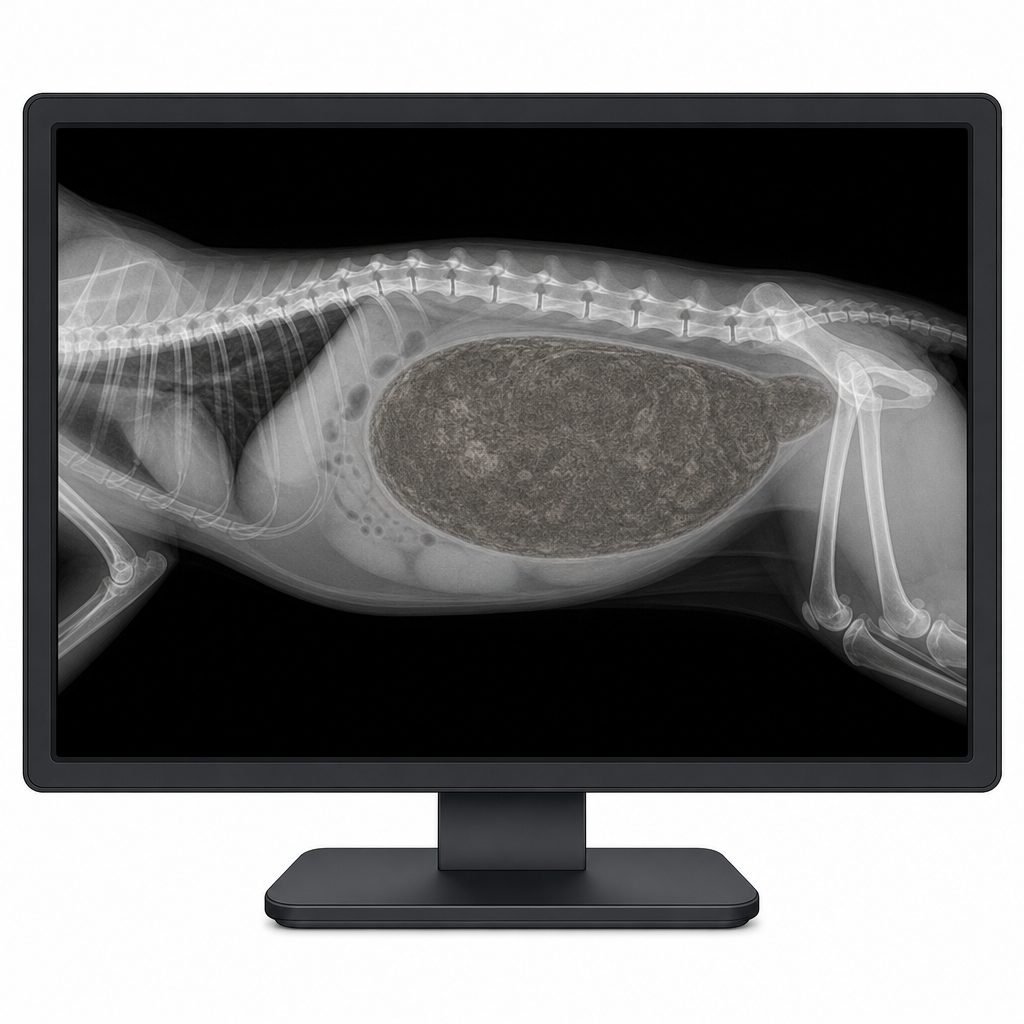
Abdominal radiographs are essential for confirming colonic impaction and assessing the severity of the blockage.
Treatment options
Treatment for constipation is tailored to the severity of the condition and the health of the pet. It generally progresses from medical management to manual intervention.
First-Line Medical Therapies
For mild to moderate cases, medical management is often highly successful, provided the pet is adequately hydrated.
- Gastrointestinal Prokinetic Agents (e.g., Cisapride): These medications stimulate the smooth muscle of the colon, helping to restore normal motility and push stool forward.
- Disaccharide Laxatives (e.g., Lactulose): Lactulose acts as an osmotic laxative. It draws water into the colon, softening the hard, dry stool so it can be passed more easily. It also acts as an ammonia reducer.
- Fluid Therapy: Dehydrated pets must receive intravenous or subcutaneous fluids before or alongside laxative therapy. Laxatives draw water from the body into the bowel; if a pet is already dehydrated, laxatives will worsen their systemic dehydration and fail to soften the stool.
Second-Line Medical Therapies
- Glucocorticoids (Corticosteroids): In cases where chronic constipation is secondary to inflammatory bowel disease or mucosal inflammation, corticosteroids may be used to reduce inflammation and improve motility, though they are not a primary treatment for simple constipation.
Manual Extraction (De-obstipation)
If medical therapies fail or if the pet is obstipated, manual extraction of the feces is required. This procedure is performed under general anesthesia to prevent pain and injury to the colon. The vet will administer warm water enemas and gently break up and extract the impacted stool manually.
Note: Never attempt to give your pet an enema at home. Many over-the-counter human enemas (such as Fleet enemas) contain high levels of phosphorus, which are rapidly absorbed by dogs and cats and can be fatal.
Prognosis
The long-term prognosis for pets with constipation is usually good, but it depends heavily on the severity and chronicity of the colonic distention, as well as whether the underlying cause can be resolved.
If the condition is caught early and managed with diet, hydration, and appropriate medications, most pets live normal, comfortable lives. However, if the colon has been severely stretched for a prolonged period, the smooth muscle may be permanently damaged. In these cases of irreversible megacolon, medical management may eventually fail, and a surgical procedure called a subtotal colectomy (removal of the damaged portion of the colon) may be necessary to maintain the pet's quality of life.
Prevention
Preventing constipation involves managing your pet's diet, hydration, and lifestyle:
- Encourage Hydration: Ensure your pet always has access to fresh water. Cats, in particular, often prefer moving water, so pet fountains can encourage drinking. Feeding wet food is an excellent way to increase moisture intake.
- Dietary Management: Feed a high-quality, balanced diet. While fiber can help some pets, excessive fiber can worsen constipation if the pet does not drink enough water. Avoid feeding bones, table scraps, or allowing access to trash.
- Regular Exercise: Physical activity helps stimulate natural gastrointestinal motility.
- Litter Box Hygiene: Cats may avoid using a dirty litter box, leading them to hold their stool for too long. Keep litter boxes clean and ensure there are enough boxes in multi-cat households.
When to call your vet
You should contact your veterinarian if your pet has not produced stool for more than 24 to 48 hours, or if you notice them straining frequently.
Seek immediate emergency veterinary care if your constipated pet exhibits any of the following red-flag signs:
- Frequent vomiting
- Extreme lethargy or depression
- Severe abdominal pain (whining, guarding the belly, or adopting a "bowing" posture)
- Complete refusal to eat or drink
- Passing large amounts of blood or dark, tarry stool
For specific breeds
Manx Cats
Manx cats carry a genetic mutation responsible for their taillessness, which can also cause severe developmental abnormalities in the sacral spinal cord (Manx syndrome). This neurological defect impairs the nerves that control the colon and bladder. Manx cats with this condition often develop chronic, treatment-resistant constipation and megacolon early in life. If you own a Manx cat, work closely with your veterinarian to establish a preventative bowel management plan from kittenhood.
Sources
- Internal Medicine, 5th Edition, pages 416, 522.
- Small Animal Critical Care Medicine, 2nd Edition, pages 696, 697.
- Current Techniques in Small Animal Surgery, 5th Edition, page 307.
My highlights & notes
Signs & symptoms
Breeds at higher risk
How it is diagnosed
- Abdominal and pelvic radiography
- Colonoscopy or proctoscopy
- Digital rectal examination
- Fecal examination
- Physical examination and abdominal palpation
- Serum Biochemistry Panel
Treatment approaches
Treatment must be prescribed by a licensed veterinarian based on your pet. Specific drug doses are intentionally not shown here.
Frequently asked questions
What is Constipation?
Constipation is a common but potentially serious gastrointestinal condition in dogs and cats. If left untreated, it can progress to obstipation—an intractable blockage—and permanent colon damage. Learn the signs, diagnostic steps, and veterinary-approved treatments.
What are the symptoms of Constipation?
Difficult evacuation of feces、Hard feces、Straining to poop、infrequent defecation、Loss of appetite、Dehydration、Low mood and dullness、Lethargy
How is Constipation diagnosed?
Abdominal and pelvic radiography、Colonoscopy or proctoscopy、Digital rectal examination、Fecal examination、Physical examination and abdominal palpation、Serum Biochemistry Panel
How is Constipation treated?
Treatment must be prescribed by a licensed veterinarian based on your pet. Specific drug doses are intentionally not shown here.
Sources
- Internal Medicine 5th · p. 416
- Internal Medicine 5th · p. 522
- Small Animal Critical Care Medicine, 2nd Edition (VetBooks.ir) · p. 697
- Current Techniques in Small Animal Surgery, 5th Edition (VetBooks.ir) · p. 307
- Small Animal Critical Care Medicine, 2nd Edition (VetBooks.ir) · p. 696
This article is for general education and is not a substitute for professional veterinary advice. If your pet is unwell, please consult a veterinarian.
Worried about your pet?
Peqaboo’s AI helps you track symptoms, understand lab reports, and know when to see a vet.
Get the Peqaboo app