

Colitis
Colitis
Also known as: Acute colitis, Chronic colitis, Lymphocytic-plasmacytic colitis, LPC, Proctitis
In short
Colitis is the inflammation of the large intestine (colon) in dogs and cats, causing symptoms like diarrhea with mucus or blood, straining, and frequent small stools. While acute cases often resolve with temporary dietary changes, chronic colitis requires careful veterinary diagnostics, including biopsies, and targeted medical management to ensure a good long-term prognosis.
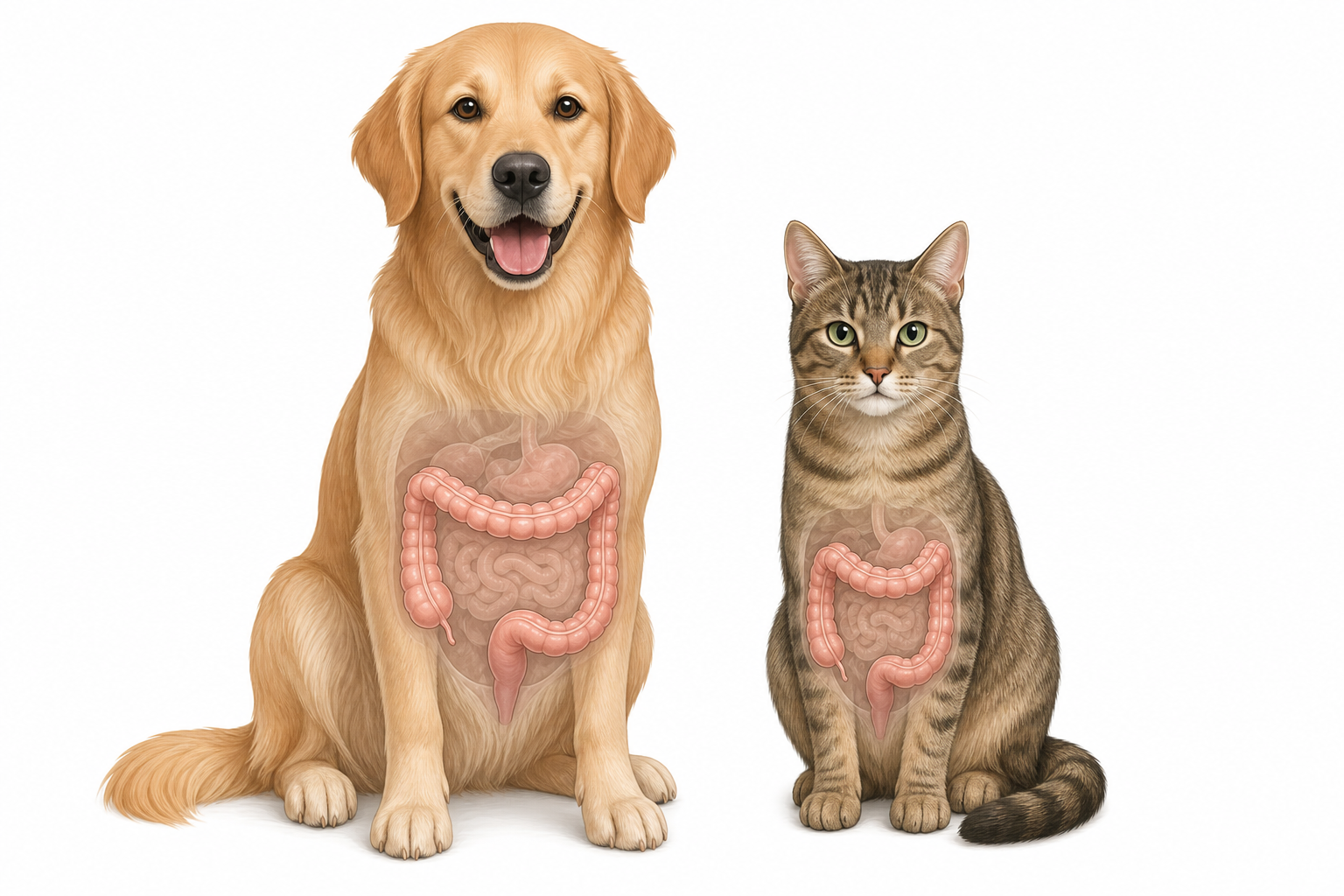
TL;DR. Colitis is a common inflammation of the large intestine in dogs and cats that causes frequent, small amounts of diarrhea often containing mucus or bright red blood, along with straining to defecate.
Colitis can affect both dogs and cats, causing inflammation in the large intestine.
What is it?
Colitis is the medical term for inflammation of the large intestine, or colon. The colon is the final major section of the digestive tract. Its primary jobs are to absorb water and electrolytes from digested food, store fecal material, and provide a home for beneficial gut bacteria. When the lining of the colon becomes inflamed, irritated, or damaged, it can no longer perform these duties effectively. Instead of absorbing water, the inflamed tissue may secrete fluid, leading to diarrhea.
This inflammation also disrupts the normal, coordinated muscle contractions of the bowel. The colon may spasm, creating a constant, false sensation of needing to pass stool. This explains why pets with colitis often strain repeatedly, passing only tiny amounts of loose stool or jelly-like mucus. When the inflammation specifically involves the rectum—the very end of the large intestine—the condition is referred to as proctitis.
Colitis can occur as a sudden, short-lived event (acute colitis) or as a long-standing, recurring disease (chronic colitis). One of the most common chronic forms is lymphocytic-plasmacytic colitis (LPC). In pets with LPC, the immune system mistakenly sends specific inflammatory white blood cells—lymphocytes and plasma cells—into the delicate lining of the colon. This chronic cellular infiltration causes persistent irritation and thickening of the intestinal wall, requiring long-term, carefully managed medical therapy.
Causes & risk factors
Colitis is not a single disease but rather a reaction pattern to various types of injury or irritation in the colon. The causes can vary widely between dogs and cats, and they are generally grouped into several categories:
- Dietary Indiscretion: Eating spoiled food, garbage, non-food items, or even a sudden change in diet can irritate the colon, leading to acute colitis.
- Infectious Agents: Parasites (such as whipworms, hookworms, and Giardia), protozoa, and pathogenic bacteria (such as Salmonella or Clostridium) can directly damage the colonic lining.
- Immune-Mediated Disease: In chronic cases like lymphocytic-plasmacytic colitis, the pet's own immune system reacts abnormally to normal dietary proteins or the natural bacteria living in the gut.
- Invasive Bacteria: A specific, severe form of colitis called histiocytic ulcerative colitis is caused by an invasive strain of Escherichia coli (E. coli) bacteria that penetrates deep into the colon wall.
- Stress: Environmental changes, boarding, or travel can alter gut motility and local immunity, triggering acute "stress colitis."
Certain breeds carry genetic predispositions that make them far more susceptible to specific, severe forms of colitis. Boxers and French Bulldogs are highly predisposed to histiocytic ulcerative colitis, while Basenjis are known to suffer from a unique, severe form of immunoproliferative enteropathy that can affect the colon.

The colon (large intestine) is responsible for water absorption and fecal storage, which are disrupted during colitis.
Signs to watch for
When the large intestine is inflamed, the clinical signs are highly characteristic and differ significantly from diseases of the small intestine. Owners should monitor their pets for the following symptoms:
- Large bowel diarrhea (cardinal): The most telling sign. Stools are typically loose, watery, or semi-formed, and are passed in small volumes but with high frequency.
- Fecal mucus (common): The inflamed colon overproduces mucus, resulting in stools coated in a clear, white, or jelly-like substance.
- Tenesmus (common): Straining to defecate. Pets will often squat repeatedly, look uncomfortable, and attempt to pass stool multiple times during a single walk, often producing very little.
- Hematochezia (common): The presence of bright red, fresh blood in the stool. This occurs because the inflamed, fragile blood vessels in the colon lining rupture easily during defecation.
- Dyschezia (occasional): Painful or difficult defecation. Your pet may whimper, pace, or show obvious discomfort while trying to go.
- Weight loss (occasional): While pets with small intestinal disease lose weight rapidly, those with colitis usually maintain their weight unless the disease is chronic, severe, or associated with a systemic illness.
- Vomiting (rare): Vomiting is not a primary sign of colitis, though it can occasionally occur in severe, systemic, or chronic cases.
While mild, acute colitis is rarely an emergency, you should contact your veterinarian immediately if your pet exhibits severe lethargy, continuous vomiting, pale gums, or if they are passing large volumes of pure blood.

Straining to defecate (tenesmus) is one of the most common signs of large bowel inflammation.
How vets diagnose it
Diagnosing colitis begins with a thorough physical examination, which almost always includes a rectal examination. During the rectal exam, your vet will assess the character of the stool, check for local pain, and feel for any rectal masses, strictures, or pelvic abnormalities.
Initial diagnostic steps typically include fecal testing to rule out common parasites, protozoa, and bacterial infections. Your vet may also recommend bloodwork and an abdominal ultrasound to evaluate the thickness of the colon wall and check the surrounding lymph nodes. However, imaging has its limits when it comes to identifying the exact cellular cause of the inflammation. As a leading veterinary internal medicine reference notes:
"Evaluation of ultrasound-guided fine-needle aspirate may be diagnostic, but these tumors do not exfoliate as readily as many carcinomas or lymphomas, and biopsy is often necessary." [4]
To obtain a definitive diagnosis, your vet must perform a colonoscopy and biopsy, followed by histopathology. This is considered the gold standard of diagnostics. During a colonoscopy, a flexible camera is inserted into the anesthetized pet's colon, allowing the veterinarian to visually inspect the mucosal lining for redness, ulcers, or irregular texture. Tiny tissue samples (biopsies) are collected and sent to a veterinary pathologist. Histopathology—the microscopic examination of these tissue samples—is crucial because it allows the pathologist to identify the specific types of inflammatory cells present, helping to differentiate benign inflammatory colitis from conditions like lymphoma or other intestinal cancers.
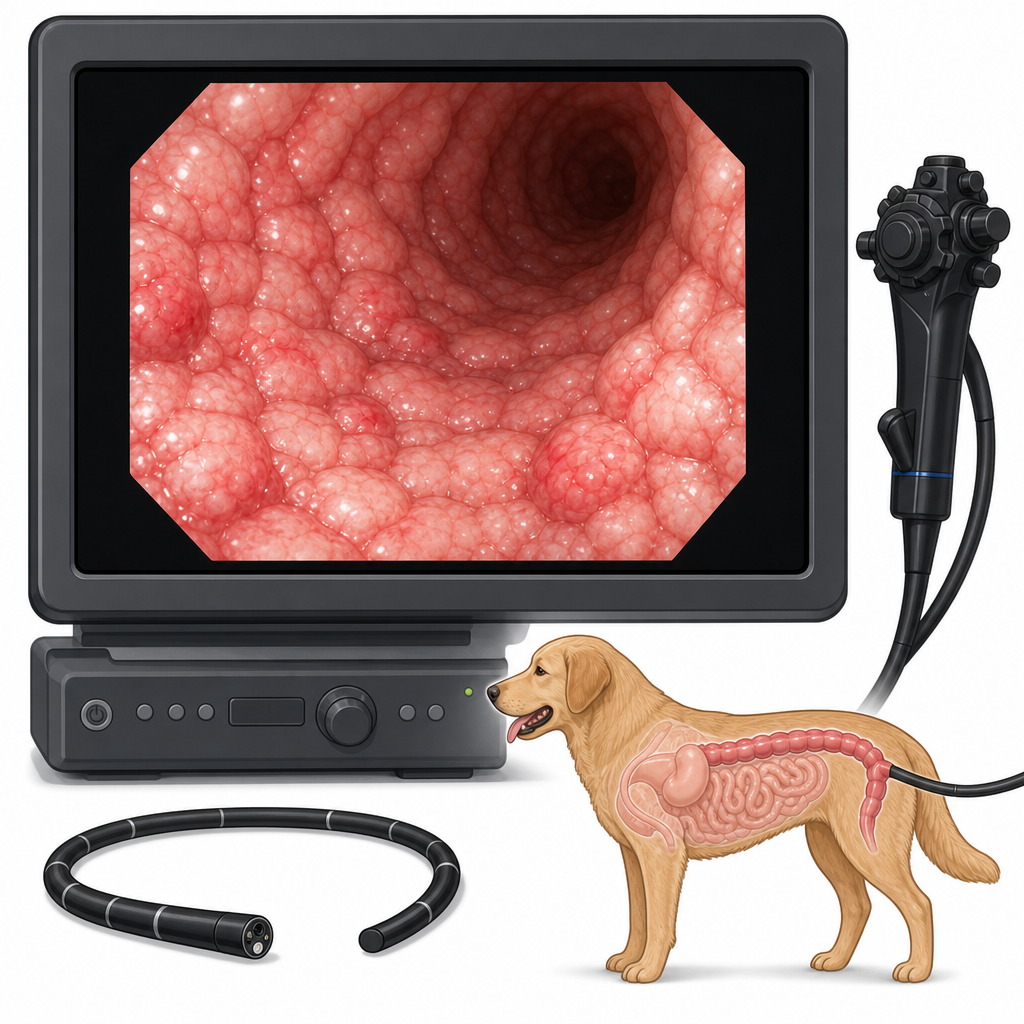
A colonoscopy allows veterinarians to visualize the inflamed lining of the colon and collect vital tissue biopsies.
Treatment options
Treatment for colitis depends entirely on whether the condition is acute or chronic, and what the underlying cause is.
Acute Colitis Management
Most cases of acute colitis or proctitis are sudden and self-limiting. Because a specific cause is rarely identified in these sudden cases, vets focus on supportive care to let the colon rest and heal. According to a leading veterinary internal medicine textbook:
"Symptomatic therapy is typically sufficient because acute proctitis and colitis are usually idiopathic. Withholding food for 24 to 36 hours lessens severity of clinical signs. The animal should then be fed small amounts of a bland diet (e. g. , cottage cheese and rice) with or without fiber. After resolution of clinical signs, the animal may be gradually returned to its original diet." [1]
Chronic and Severe Colitis Management
For pets diagnosed with chronic colitis, such as lymphocytic-plasmacytic colitis (LPC), treatment is more complex and requires long-term management. These pets often require a combination of dietary modifications (such as novel protein or hydrolyzed diets) and targeted medications. As the textbook notes:
"Many with moderate to severe disease will need prolonged medical therapy, which should be tapered cautiously. Iatrogenic Cushing syndrome should be avoided. Severely affected animals may initially benefit from enteral or parenteral nutritional therapy." [2]
Medications
Your veterinarian may prescribe one or more of the following first-line medications to control inflammation and manage infections:
-
Sulfasalazine: This is a combination antibacterial and anti-inflammatory drug. It is highly effective because it passes through the stomach unchanged and is broken down by bacteria directly in the colon, delivering local anti-inflammatory action where it is needed most. It is often paired with corticosteroids. However, cats are highly sensitive to this drug class. As the textbook warns:
"Sulfasalazine given orally may be effective at lower-than-expected doses if used in combination with glucocorticoids. Empirically, 15 to 20 mg/ kg/day, sometimes divided into twice-daily doses, is often tolerated by cats, but they must be closely observed for salicylate intoxication (i. e. , lethargy, anorexia, vomiting, hyperthermia, tachypnea)." [3]
-
Olsalazine and Olsalazine Sodium: These are local anti-inflammatory aminosalicylate medications. They work similarly to sulfasalazine but do not contain the sulfa component, making them an excellent alternative for sensitive pets. The textbook notes that "some cats that vomit or become anorectic [on sulfasalazine] may tolerate" olsalazine [3].
-
Glucocorticoids: These powerful corticosteroids (such as prednisolone) are used to suppress the overactive immune response in chronic inflammatory conditions like LPC. Because long-term use can cause side effects like excessive thirst, urination, and muscle wasting (iatrogenic Cushing's syndrome), these medications must be tapered off very slowly under strict veterinary supervision.
-
Metronidazole: This medication functions as both an antibiotic and an antiprotozoal agent. It also possesses mild immunomodulatory properties that help soothe inflammation in the gastrointestinal tract.
-
Enrofloxacin: This fluoroquinolone antibiotic is the primary, targeted treatment for histiocytic ulcerative colitis. It is used to eliminate the invasive E. coli bacteria living inside the colon wall and must be administered for a minimum of 8 weeks.
Prognosis
The prognosis for pets with colitis is generally highly favorable, though it varies based on the specific type of colitis diagnosed:
- Acute Idiopathic Colitis: The prognosis is excellent. Most pets recover fully within a few days of supportive care and dietary management.
- Chronic Colitis (LPC): The prognosis is good. While chronic colitis is typically a lifelong condition that cannot be cured, most pets can be successfully managed with a combination of dietary therapy and medication, enjoying a normal lifespan and excellent quality of life.
- Histiocytic Ulcerative Colitis: The prognosis is good, provided the disease is diagnosed early—before the pet develops cachexia (severe muscle wasting and weight loss)—and is treated with a full, uninterrupted course of enrofloxacin for at least 8 weeks.
In chronic cases, consistent monitoring is essential. There is a theoretical concern regarding long-term, uncontrolled inflammation in the gut, as noted by veterinary specialists:
"Although the relationship is unclear, LPE [lymphocytic-plasmacytic enteritis/colitis] has been suggested to be a potentially prelymphomatous lesion. This is uncertain in the dog..." [2]
Keeping inflammation well-controlled with appropriate therapy minimizes these long-term risks.
Prevention
Because many cases of colitis are immune-mediated or idiopathic, they cannot be entirely prevented. However, you can significantly reduce the risk of acute flare-ups by practicing good preventive care:
- Dietary Consistency: Avoid sudden changes in your pet's food. When transitioning to a new diet, mix the old and new food gradually over a period of 7 to 10 days.
- Prevent Dietary Indiscretion: Keep trash cans securely covered, and do not feed your pet rich, fatty table scraps or human foods.
- Parasite Control: Keep your pet on year-round, broad-spectrum parasite preventives that protect against whipworms and other gastrointestinal parasites.
- Stress Management: If your pet is prone to stress-induced colitis, discuss preventive strategies with your vet before boarding, traveling, or introducing major changes to the household.
When to call your vet
You should contact your veterinarian if your pet's diarrhea lasts for more than 24 to 48 hours, or if you notice mild straining and mucus in their stool.
Seek immediate veterinary attention if your pet exhibits any of the following red-flag symptoms:
- Extreme lethargy or weakness
- Persistent, uncontrollable vomiting
- Large volumes of bright red blood or dark, tarry stools
- Pale, dry, or tacky gums
- Rapid weight loss or a wasted, bony appearance (cachexia)
- Signs of severe abdominal pain, such as whining, groaning, or adopting a "bowing" posture
For specific breeds
If you own a Boxer or a French Bulldog, you should be particularly vigilant. These breeds are genetically predisposed to histiocytic ulcerative colitis. If your young Boxer or French Bulldog develops chronic, bloody diarrhea and begins losing weight, do not delay seeking veterinary care. Early intervention is critical; diagnosing this condition before the dog develops cachexia is the single most important factor in achieving a successful cure with targeted antibiotic therapy.
Basenji owners should also be aware of their breed's predisposition to severe, chronic immunoproliferative enteropathy, which can present with chronic diarrhea, vomiting, and progressive weight loss, requiring specialized diagnostic and therapeutic protocols.
Sources
- Internal Medicine, 5th Edition, page 455.
- Internal Medicine, 5th Edition, page 508.
- Internal Medicine, 5th Edition, page 517.
My highlights & notes
Signs & symptoms
Breeds at higher risk
How it is diagnosed
- Colonoscopy and biopsyGold standard
- HistopathologyGold standard
- Rectal examination
Treatment approaches
Treatment must be prescribed by a licensed veterinarian based on your pet. Specific drug doses are intentionally not shown here.
Frequently asked questions
What is Colitis?
Colitis is the inflammation of the large intestine (colon) in dogs and cats, causing symptoms like diarrhea with mucus or blood, straining, and frequent small stools. While acute cases often resolve with temporary dietary changes, chronic colitis requires careful veterinary diagnostics, including biopsies, and targeted medical management to ensure a good long-term prognosis.
What are the symptoms of Colitis?
large bowel diarrhea、Straining to poop、fecal mucus、Fresh blood in stool、Dyschezia、Weight loss (getting thinner)、Vomiting (throwing up)
How is Colitis diagnosed?
Colonoscopy and biopsy、Histopathology、Rectal examination
How is Colitis treated?
Treatment must be prescribed by a licensed veterinarian based on your pet. Specific drug doses are intentionally not shown here.
Sources
- Internal Medicine 5th · p. 517
- Internal Medicine 5th · p. 508
- Internal Medicine 5th · p. 455
- Internal Medicine 5th · p. 517
This article is for general education and is not a substitute for professional veterinary advice. If your pet is unwell, please consult a veterinarian.
Worried about your pet?
Peqaboo’s AI helps you track symptoms, understand lab reports, and know when to see a vet.
Get the Peqaboo app