

Anaphylaxis
Also known as: Anaphylactic shock, Systemic anaphylaxis
In short
Anaphylaxis is a rapid, life-threatening allergic reaction in dogs and cats. Recognizing the signs early—such as facial swelling, vomiting, and breathing difficulties—and seeking immediate veterinary care can save your pet's life.
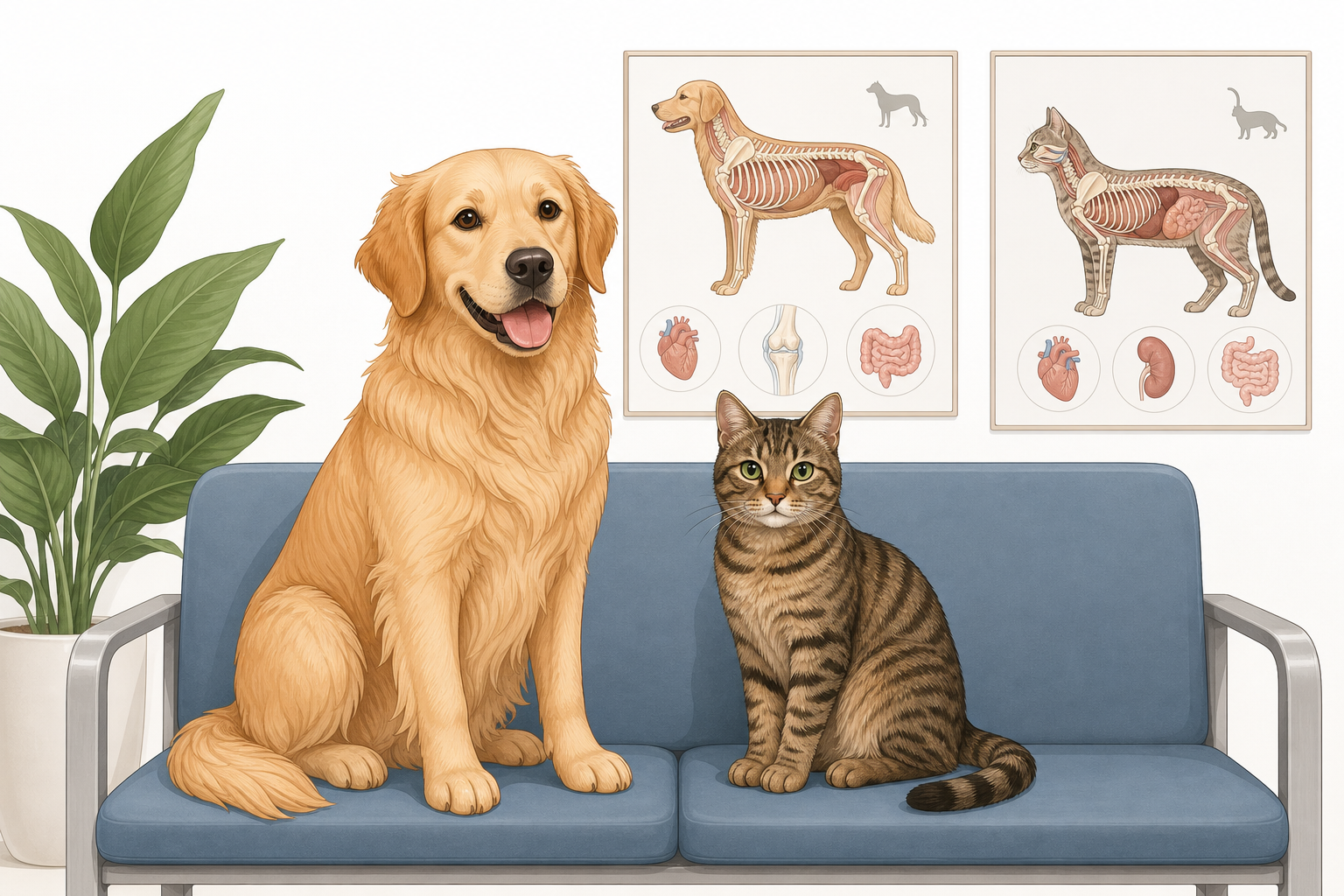
TL;DR. Anaphylaxis is a sudden, severe, and life-threatening allergic reaction in dogs and cats that requires immediate emergency veterinary treatment to reverse cardiovascular collapse and airway obstruction.
Early recognition and rapid veterinary intervention are key to successfully managing anaphylaxis in both dogs and cats.
What is it?
Anaphylaxis is a rapid, severe, and systemic hypersensitivity reaction. It occurs when a pet's immune system overreacts to a foreign substance (an antigen), triggering a massive release of inflammatory chemicals into the bloodstream. This reaction can be driven by classic immune pathways involving antibodies (IgE or IgG) or by non-immune mechanisms that directly stimulate the body's defense cells.
Once triggered, specialized cells called mast cells and basophils release a flood of chemical mediators, including histamine and platelet-activating factor. These chemicals cause sudden, widespread widening of the blood vessels (vasodilation), constriction of the airways (bronchoconstriction), and a dangerous drop in blood pressure (hypotension).
This rapid shift in blood vessel permeability can cause a massive loss of fluid from the bloodstream into the surrounding tissues. As noted in a leading veterinary critical care manual:
"The combination of mediator-induced arrhythmia, coronary artery vasoconstriction, and decreased systemic vascular resistance causes a profound hypotension. A relative hypovolemia occurs as up to 50% of the circulating volume is lost into the tissues by the sudden increase in vascular permeability. Oral ingestion of antigens more frequently causes gastrointestinal distress and dermal reactions."
Because up to half of your pet's circulating blood volume can escape into the tissues within minutes, anaphylaxis is a grade-5 emergency. Without rapid intervention, it can quickly progress to cardiovascular collapse, shock, and death.
Causes & risk factors
Anaphylaxis is triggered by exposure to an allergen. Common culprits include:
- Insect stings and bites: Venom from bees, wasps, hornets, or spiders.
- Vaccinations: While vaccines are vital for pet health, they can occasionally trigger reactions. According to international veterinary vaccination guidelines:
"A Japanese study of adverse reactions to canine non-rabies combined vaccines administered in 2006 to 2007 (Miyaji et al. , 2012) reported on 57,300 vaccinations administered at 573 veterinary hospitals (the last 100 dogs vaccinated at each hospital). A total of 359 dogs had AEFVs, that is 62. 7 per 10,000 vaccinated dogs. Death was observed in 1 dog, anaphylaxis in 41, gastrointestinal signs in..."
- Medications: Certain antibiotics, anesthetics, or blood products.
- Foods: Ingested proteins can trigger reactions, though these more commonly present with gastrointestinal and skin signs rather than immediate systemic shock.
Certain dog breeds are statistically more prone to developing these severe reactions, though the exact genetic causes remain unknown. These breeds include the Dachshund, Boston Terrier, Miniature Pinscher, French Bulldog, and Havanese.
Signs to watch for
Anaphylaxis is a dynamic, fast-moving condition. Symptoms usually appear within minutes of exposure to the trigger. The "shock organ" differs between species: in dogs, the primary shock organ is the liver and gastrointestinal tract, whereas in cats, it is the lungs.
Common Signs
- Vomiting and Diarrhea: Often the very first signs observed in dogs.
- Angioedema: Sudden swelling, especially around the face, muzzle, and eyes.
- Urticaria and Erythema: Hives and widespread redness of the skin.
- Pruritus: Intense itching.
- Dyspnea and Bronchoconstriction: Labored, rapid breathing, wheezing, or struggling for air.
- Hypotension: Dangerously low blood pressure, which may cause weakness or cold extremities.
Occasional Signs
- Syncope: Fainting or sudden collapse.
- Tachycardia: An abnormally rapid heart rate.
- Arrhythmias: Irregular heartbeats that compromise blood flow.
Rare Signs
- Seizures: Occurring in severe, advanced stages of shock due to lack of oxygen to the brain.

Facial swelling (angioedema) and hives are common early warning signs of an allergic reaction in dogs.
How vets diagnose it
Because anaphylaxis progresses so rapidly, there is no time to wait for complex laboratory tests. Diagnosis is primarily a clinical diagnosis based on pattern recognition and probability. Your vet will rapidly evaluate your pet's clinical signs, history of recent exposure (such as a recent vaccine, walk in a buggy area, or new medication), and physical exam findings.
Your vet must quickly differentiate anaphylaxis from other conditions that look similar. As detailed in a leading veterinary critical care manual:
"Systemic diseases that may present with clinical signs similar to anaphylaxis include severe asthma, syncope, pheochromocytoma, and mastocytosis. Inhalation of a foreign body can be potentially misinterpreted as anaphylaxis."
To aid in diagnosis and monitor the pet's stability, the veterinary team may perform rapid point-of-care tests once emergency treatment has begun. These can include checking blood pressure, performing a quick ultrasound of the abdomen to look for a "halo sign" around the gallbladder (common in canine anaphylaxis), and monitoring oxygen levels.
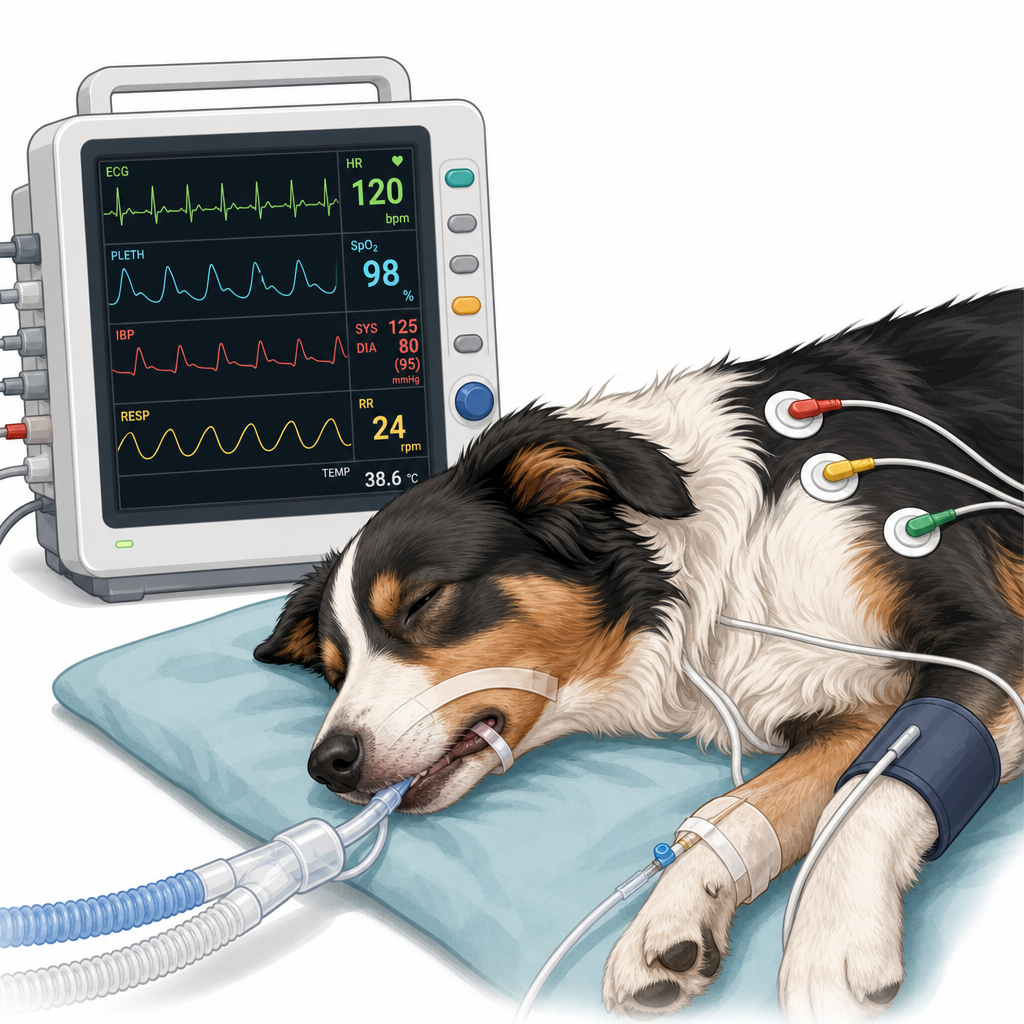
Vets rely on rapid clinical evaluation and vital sign monitoring to diagnose and manage anaphylactic shock.
Treatment options
Treatment must be aggressive and immediate. The primary goals are to restore blood pressure, open the airways, and stop the ongoing release of inflammatory chemicals.
First-Line Therapy
- Epinephrine: This is the single most important drug in treating anaphylaxis. It is an alpha- and beta-adrenergic agonist that works rapidly to constrict blood vessels (raising blood pressure), relax the airways (improving breathing), and increase heart rate. As explained in veterinary critical care literature:
"The response to vasoactive mediators is also regulated through cardiovascular α-adrenergic receptors, which normally increase myocardial contractility and vascular tone to compensate for the decreased intravascular volume, vasodilatation, and myocardial depression that are induced by PAF and histamine."
- Aggressive Fluid Therapy: Intravenous fluids are delivered rapidly to replace the up to 50% of blood volume lost into the tissues, helping to restore normal blood pressure.
Second-Line Therapies
Once the pet is stabilized with epinephrine and fluids, your vet may administer secondary medications:
- Antihistamines: Diphenhydramine is used to block H1 receptors, while Ranitidine (an H2 receptor antagonist) may be added to protect the gastrointestinal tract and assist in blocking histamine.
- Corticosteroids: Glucocorticoids like Dexamethasone or Methylprednisolone help reduce systemic inflammation and stabilize blood vessels over the subsequent hours.
- Bronchodilators: If airway constriction is severe, inhaled or injectable bronchodilators like Albuterol or Ipratropium Bromide may be used.
- Vasopressors and Inotropes: Medications like Dopamine or Vasopressin may be infused if blood pressure remains dangerously low despite fluid therapy.
- Atropine: Used if the pet's heart rate drops dangerously low (bradycardia).
- Glucagon: A hormonal agent that can help support heart function and blood sugar, particularly in patients that do not respond fully to epinephrine.
Prognosis
The prognosis for anaphylaxis is highly variable. If left untreated, the condition can rapidly lead to cardiovascular collapse, shock, and death. However, if the pet receives prompt veterinary care, the prognosis is generally excellent. Many pets make a full recovery within 24 to 48 hours once the initial crisis is managed and the inflammatory cascade is halted. Spontaneous recovery can occur in very mild cases, but because it is impossible to predict how a reaction will evolve, professional medical intervention should never be delayed.
Prevention
Preventing anaphylaxis relies on identifying and avoiding known triggers:
- Record Keeping: Ensure your vet clearly flags your pet's medical record with any known drug or vaccine allergies.
- Pre-medication: If your pet has had a mild reaction to a vaccine in the past, your vet may administer an antihistamine or corticosteroid prior to future vaccinations.
- Observation: Always monitor your pet closely for at least 30 to 60 minutes after any vaccine or new medication administration.
- Insect Control: Keep highly sensitive pets indoors during peak insect hours, and clear your yard of wasp or bee nests.
When to call your vet
Anaphylaxis is a life-threatening medical emergency. If your pet shows any of the following signs, transport them to the nearest veterinary emergency hospital immediately:
- Sudden difficulty breathing or heavy wheezing
- Swelling of the face, muzzle, or throat
- Sudden collapse, extreme weakness, or fainting
- Repeated, violent vomiting or diarrhea within minutes of a vaccine, injection, or insect bite
- Pale or blue-tinged gums
Do not attempt to administer human medications at home without direct instruction from a veterinarian, as this can delay life-saving professional treatment.
For specific breeds
If you own a Dachshund, Boston Terrier, Miniature Pinscher, French Bulldog, or Havanese, you should be especially vigilant. While these breeds are not guaranteed to experience anaphylaxis, their elevated risk means you should pay extra attention to them after routine veterinary procedures, vaccinations, or outdoor activities where stinging insects are present. Always discuss preventative protocols with your veterinarian prior to scheduled treatments.
Sources
- Small Animal Critical Care Medicine, 2nd Edition, pages 883–884.
- WSAVA Vaccination Guidelines 2024.
My highlights & notes
Signs & symptoms
Breeds at higher risk
How it is diagnosed
- Clinical diagnosis based on pattern recognition and probabilityGold standard
Treatment approaches
Treatment must be prescribed by a licensed veterinarian based on your pet. Specific drug doses are intentionally not shown here.
Frequently asked questions
What is Anaphylaxis?
Anaphylaxis is a rapid, life-threatening allergic reaction in dogs and cats. Recognizing the signs early—such as facial swelling, vomiting, and breathing difficulties—and seeking immediate veterinary care can save your pet's life.
What are the symptoms of Anaphylaxis?
Angioedema、Bronchoconstriction、Diarrhoea、Difficulty breathing (dyspnea)、Skin redness、Itching and scratching、Urticaria、Vomiting (throwing up)
How is Anaphylaxis diagnosed?
Clinical diagnosis based on pattern recognition and probability
How is Anaphylaxis treated?
Treatment must be prescribed by a licensed veterinarian based on your pet. Specific drug doses are intentionally not shown here.
Sources
- Small Animal Critical Care Medicine, 2nd Edition (VetBooks.ir) · p. 884
- Small Animal Critical Care Medicine, 2nd Edition (VetBooks.ir) · p. 883
- Small Animal Critical Care Medicine, 2nd Edition (VetBooks.ir) · p. 883
- WSAVA-Vaccination-guidelines-2024 (1)
This article is for general education and is not a substitute for professional veterinary advice. If your pet is unwell, please consult a veterinarian.
Worried about your pet?
Peqaboo’s AI helps you track symptoms, understand lab reports, and know when to see a vet.
Get the Peqaboo app