

Snuffles
Pasteurellosis
Also known as: Pasteurellosis, Rabbit pasteurellosis, Infectious rhinitis
In short
Snuffles is a highly contagious bacterial respiratory infection in rabbits, primarily caused by Pasteurella multocida, requiring prompt veterinary care and long-term management.
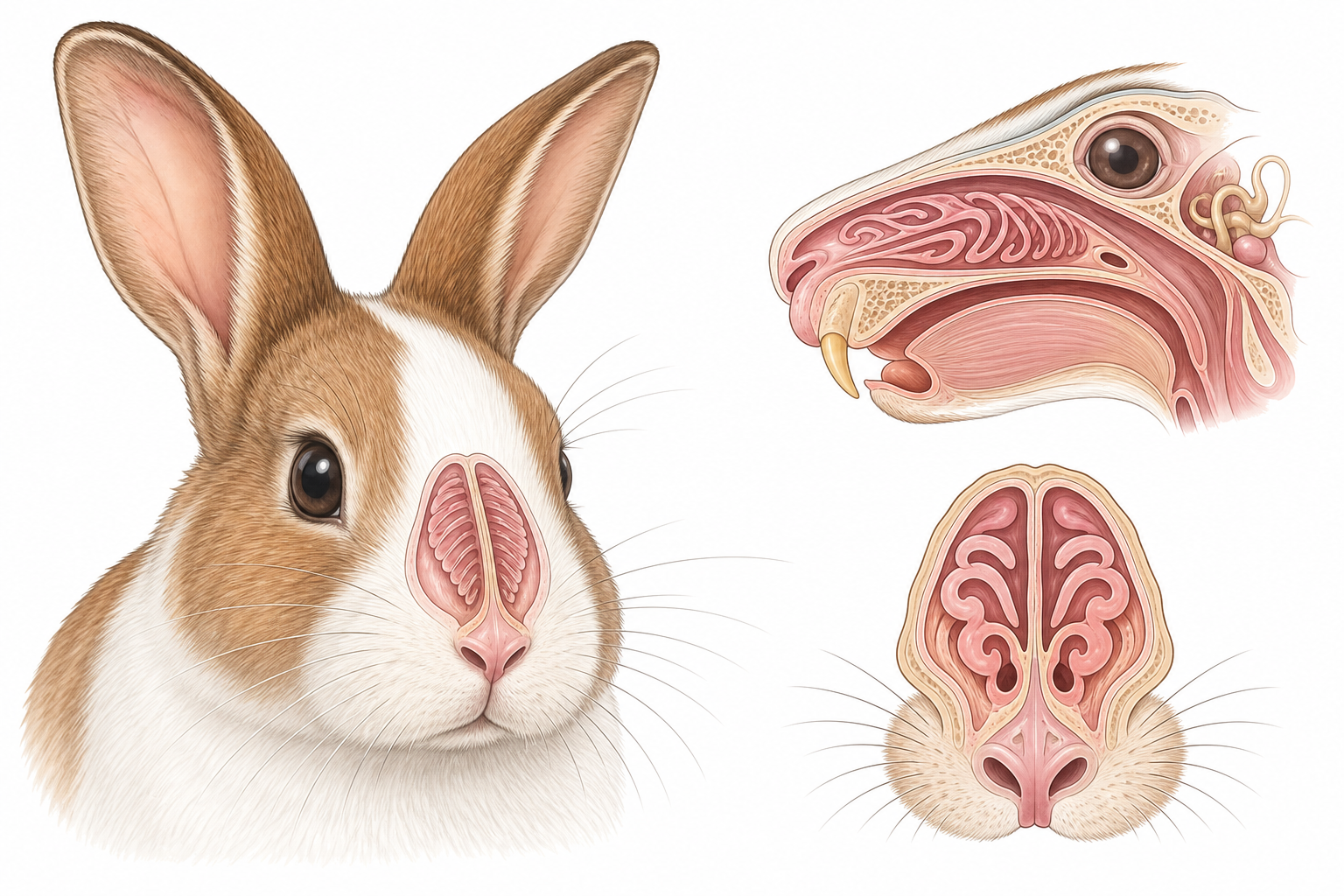
TL;DR. Snuffles is a highly contagious bacterial respiratory infection in rabbits that causes sneezing, nasal discharge, and matted paws, often requiring long-term veterinary management due to its persistent nature.
Snuffles is a common and highly contagious respiratory disease in domestic rabbits.
What is it?
Snuffles is the common term for infectious rhinitis, a highly contagious upper respiratory tract disease in rabbits. It is most frequently caused by the bacterium Pasteurella multocida. This bacterium targets the delicate mucous membranes of the rabbit's nasal passages, sinuses, and upper airway, leading to chronic inflammation and discharge.
Once a rabbit is exposed, the bacteria can colonize the respiratory tract. In many cases, the rabbit's immune system can keep the bacteria in check, resulting in a silent carrier state. However, when the rabbit experiences stress, poor environmental conditions, or concurrent illness, the bacteria multiply rapidly, leading to active, symptomatic disease. Because the bacteria can easily spread to other parts of the body—including the ears, eyes, lungs, and bones—prompt veterinary intervention is essential.
This disease is a major concern for rabbit owners due to its highly contagious nature. It spreads easily through direct contact, aerosolized droplets from sneezing, and contaminated objects like food bowls, toys, or bedding.
Causes & risk factors
The primary cause of snuffles is the bacterium Pasteurella multocida. While other bacteria can occasionally cause similar respiratory signs, Pasteurella is the most common and difficult to eradicate.
Several environmental and physiological factors can trigger an outbreak or worsen clinical signs:
- Poor ventilation: Ammonia buildup from dirty litter boxes severely irritates the respiratory lining, making it easier for bacteria to invade.
- Stress: Changes in housing, introduction of new pets, temperature fluctuations, or overcrowding can suppress the immune system.
- Poor nutrition: A diet lacking high-quality fiber can compromise overall health and immune function.
There are no documented breed predispositions for snuffles; rabbits of any breed, age, or sex can contract this infection.
Signs to watch for
Rabbit owners should monitor their pets closely for any changes in behavior or physical appearance. The symptoms of snuffles can range from mild to severe:
- Sneezing (Cardinal)
- Mucopurulent nasal discharge (Cardinal) — This is a thick, yellowish-white, pus-like mucus draining from the nostrils.
- Ocular discharge (Common) — Watery or matted eyes, often accompanied by tear staining around the face.
- Matted fur on the forepaws (Common) — Because rabbits use their front legs to wipe their nose and eyes, the fur on the inside of their front paws often becomes wet, clumped, or stained.
- Dyspnea (Occasional) — Difficulty breathing, open-mouth breathing, or stretching the neck out to breathe. This is a life-threatening emergency.

Rabbits frequently wipe their noses with their front paws, leading to characteristic matted fur on their forelimbs.
How vets diagnose it
Your vet will begin with a thorough physical examination, paying close attention to your rabbit's respiratory rate, lung sounds, eyes, and the condition of their front paws. Because other pathogens can mimic the signs of snuffles, specific diagnostic tests are required to confirm the diagnosis and guide treatment.
- Deep nasal swab culture and sensitivity [GOLD STANDARD]: Your vet will insert a sterile swab deep into the nasal cavity to collect a sample of the discharge. This sample is cultured in a laboratory to identify the exact bacteria present and determine which antibiotics will be most effective at killing them. Because the nasal passages are sensitive, this is often performed under light sedation.
- PCR (Polymerase Chain Reaction) for Pasteurella multocida: This highly sensitive DNA test detects the genetic material of the bacterium. It is particularly useful for identifying Pasteurella when bacteria are difficult to grow on a standard culture plate.
- Skull and nasal radiographs (X-rays): Chronic infections can destroy the delicate turbinate bones inside the nasal cavity or spread to the middle ears and tooth roots. X-rays allow your vet to assess the extent of structural damage and check for deep-seated abscesses.
Treatment options
Treatment for snuffles focuses on controlling the bacterial infection, reducing inflammation, and keeping the nasal passages clear.
First-Line Antibiotic Therapy
Antibiotics are the cornerstone of treatment. Your vet will select an antibiotic based on culture and sensitivity results. Common first-line options include:
- Fluoroquinolone Antibiotics: Medications such as enrofloxacin or marbofloxacin are frequently prescribed. These drugs are highly effective against Pasteurella and are generally well-tolerated by the rabbit's sensitive digestive system.
- Potentiated Sulfonamide Antimicrobials: Medications like sulfadiazine/trimethoprim or sulfamethoxazole/trimethoprim are also effective first-line choices for combating the infection.
Caution: Never administer antibiotics to a rabbit without direct veterinary guidance. Many common antibiotics used in dogs and humans (such as oral penicillin-based drugs) can disrupt a rabbit's beneficial gut flora, leading to a fatal digestive condition called enterotoxemia.
Supportive Care
In addition to antibiotics, your vet may recommend supportive therapies such as nebulization (breathing in a fine mist of saline and medication) to help loosen thick nasal secretions, eye drops for ocular discharge, and anti-inflammatory medications to reduce swelling in the nasal passages.
Prognosis
The prognosis for rabbits diagnosed with snuffles is guarded.
While clinical signs can often be successfully managed and temporarily resolved with appropriate antibiotic therapy, complete elimination of Pasteurella multocida from the respiratory tract is exceptionally difficult. Many rabbits become chronic carriers of the bacteria. This means that even after a successful course of treatment, the disease may recur during times of stress, environmental changes, or as the rabbit ages. Long-term management, environmental optimization, and periodic veterinary checkups are often required to maintain a good quality of life.
Prevention
Preventing snuffles relies on strict biosecurity and excellent husbandry:
- Quarantine: Always isolate any new rabbit for a minimum of four weeks before introducing them to your existing pets.
- Ventilation: Ensure your rabbit's living area is well-ventilated and free of dust, draft, and strong chemical odors.
- Sanitation: Clean litter boxes daily to prevent ammonia buildup from urine.
- Diet and Stress Reduction: Provide a balanced diet rich in high-quality grass hay, fresh water, and a stable, low-stress environment to keep their immune system strong.
There is currently no widely available, highly effective vaccine to prevent Pasteurella multocida in pet rabbits, making environmental management your primary line of defense.
When to call your vet
You should schedule an appointment with your veterinarian if you notice mild sneezing, watery eyes, or dampness on your rabbit's front paws.
Seek emergency veterinary care immediately if your rabbit exhibits labored breathing, open-mouth breathing, extreme lethargy, or stops eating entirely. Because rabbits are obligate nasal breathers (they must breathe through their nose), any severe blockage or spread of infection to the lungs is a critical emergency.
Sources
- Clinical guidance and standard-of-care protocols adapted from established veterinary consensus for exotic companion mammals.
- Manual of Rabbit Medicine and Surgery, clinical guidelines on respiratory diseases in lagomorphs.
My highlights & notes
Signs & symptoms
How it is diagnosed
- Deep nasal swab culture and sensitivityGold standard
- PCR for Pasteurella multocida
- Skull and nasal radiographs
Treatment approaches
Treatment must be prescribed by a licensed veterinarian based on your pet. Specific drug doses are intentionally not shown here.
Frequently asked questions
What is Snuffles?
Snuffles is a highly contagious bacterial respiratory infection in rabbits, primarily caused by Pasteurella multocida, requiring prompt veterinary care and long-term management.
What are the symptoms of Snuffles?
Mucopurulent nasal discharge、Sneezing、Matted fur on forepaws、Ocular discharge、Difficulty breathing (dyspnea)
How is Snuffles diagnosed?
Deep nasal swab culture and sensitivity、PCR for Pasteurella multocida、Skull and nasal radiographs
How is Snuffles treated?
Treatment must be prescribed by a licensed veterinarian based on your pet. Specific drug doses are intentionally not shown here.
This article is for general education and is not a substitute for professional veterinary advice. If your pet is unwell, please consult a veterinarian.
Worried about your pet?
Peqaboo’s AI helps you track symptoms, understand lab reports, and know when to see a vet.
Get the Peqaboo app