

Triaditis
Also known as: Feline triaditis
In short
Triaditis is a serious, concurrent inflammatory condition affecting the small intestine, pancreas, and biliary tract, most commonly diagnosed in cats. Recognizing its signs—such as loss of appetite, vomiting, and jaundice—is crucial for securing early veterinary intervention and supportive care.
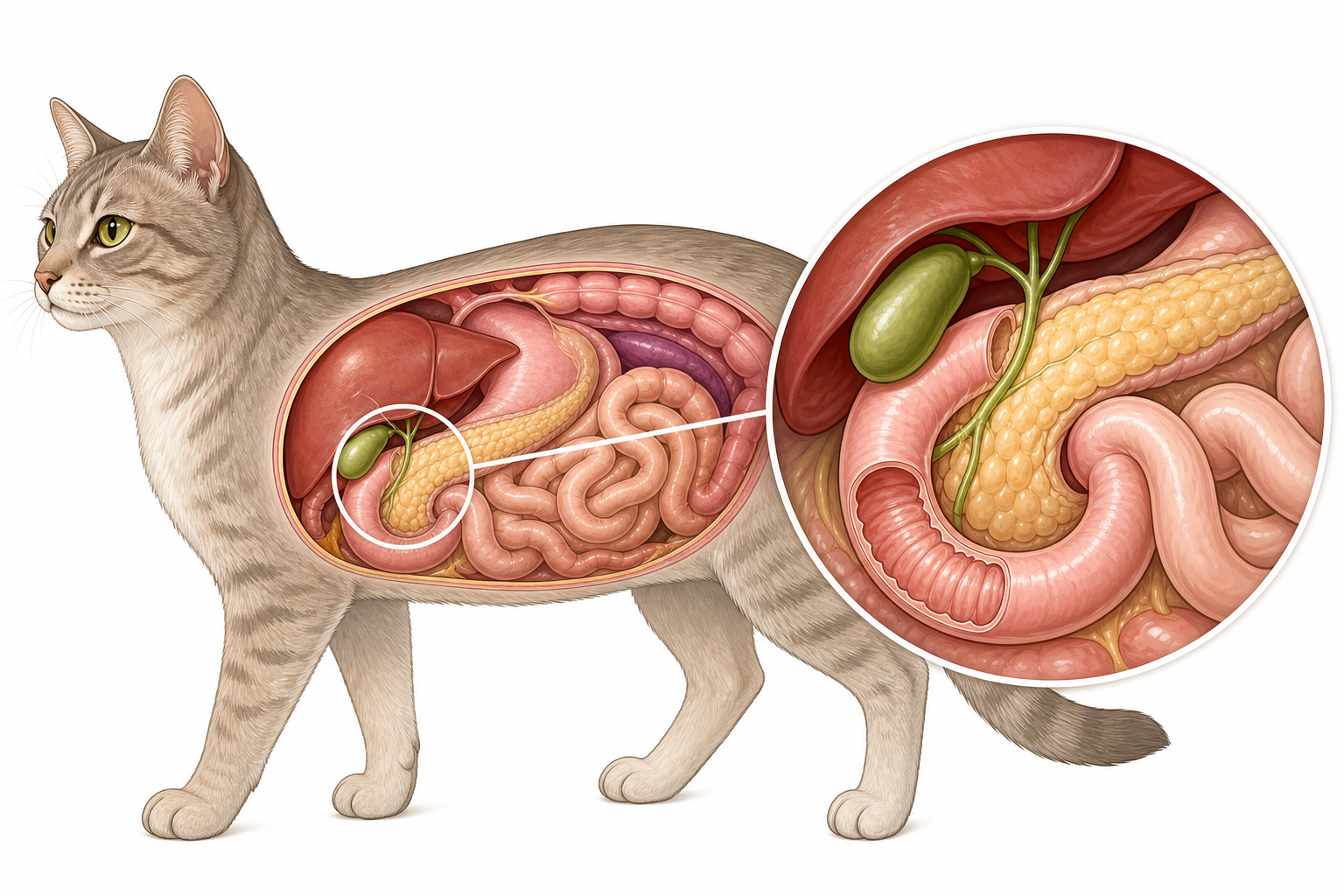
TL;DR. Triaditis is a serious, concurrent inflammatory condition affecting the small intestine, pancreas, and biliary tract, most commonly diagnosed in cats due to their unique abdominal anatomy.
In cats, the pancreatic duct and common bile duct join before entering the small intestine, creating a shared pathway that makes them highly susceptible to triaditis.
What is it?
Triaditis is a complex medical condition characterized by the simultaneous inflammation of three distinct abdominal organs: the small intestine (enteritis or inflammatory bowel disease), the pancreas (pancreatitis), and the biliary system, which includes the gallbladder and bile ducts (cholangitis or cholangiohepatitis). While this condition can occasionally occur in dogs, it is overwhelmingly recognized as a feline disease.
To understand triaditis, it is helpful to look at the unique anatomy of the feline abdomen. In dogs and humans, the pancreatic duct (which carries digestive enzymes) and the common bile duct (which carries bile from the liver and gallbladder) typically enter the small intestine (duodenum) at separate locations. In cats, however, these two ducts join together into a single, shared channel before emptying into the duodenum.
This shared anatomical pathway creates a vulnerability. If the small intestine becomes inflamed or if bacteria multiply abnormally in the upper gut, the physical pressure and inflammatory fluids can easily back up into both the pancreas and the biliary tract. Because these systems are so closely linked, inflammation in one organ frequently cascades into the other two, resulting in the "triad" of disease.
Furthermore, triaditis is recognized as the most common cause of extrahepatic bile duct obstruction (EBDO) in cats. When the pancreas and surrounding tissues swell intensely, they can physically compress the common bile duct. This compression blocks the normal flow of bile, leading to a critical, life-threatening backup of bile acids and toxins into the bloodstream and liver.
Causes & risk factors
The exact initiating cause of triaditis can be difficult to pinpoint because the three affected organs influence each other so closely. However, veterinary scientists have identified several primary mechanisms and risk factors:
- Ascending Bacterial Infections: Because the feline gut contains a high concentration of bacteria, any disruption in gut motility or local immunity can allow bacteria to migrate up the shared pancreaticobiliary duct. This can lead to infectious cholangitis (liver/bile duct infection) and trigger secondary pancreatitis.
- Chronic Inflammatory Bowel Disease (IBD): Cats with chronic, low-grade gut inflammation often experience thickening of the intestinal walls and altered local immune responses. This ongoing inflammation can easily spread through the shared duct system to involve the pancreas and liver.
- Immune-Mediated Disease: In many cases, the body's own immune system drives the chronic inflammation. This is particularly true for chronic lymphocytic-plasmacytic cholangitis and certain forms of pancreatitis, where the immune system inappropriately attacks healthy organ tissues.
- Anatomical Predispositions: As noted, the shared entry point of the bile and pancreatic ducts in cats is the primary anatomical risk factor.
While the structured veterinary record indicates no specific breed predispositions for triaditis, any cat—regardless of breed, age, or sex—can develop the condition. It is most frequently diagnosed in middle-aged to older cats, though young cats with severe inflammatory bowel disease can also be affected. In dogs, the condition is much rarer due to their separate duct anatomy, but it can still occur when severe, generalized abdominal inflammation spreads across adjacent tissues.
Signs to watch for
The clinical signs of triaditis can be highly variable and often mimic other gastrointestinal diseases. Because three different organs are inflamed simultaneously, the symptoms can range from subtle, chronic waxing-and-waning illness to acute, life-threatening crises.
The following are the most common signs observed by owners and veterinarians:
- Anorexia (Common / Red Flag): A complete loss of appetite or a significant decrease in food intake is one of the most consistent signs. In cats, prolonged anorexia (even for just two to three days) carries a high risk of triggering hepatic lipidosis (fatty liver disease), a secondary and potentially fatal complication.
- Vomiting (Common): Vomiting may be frequent and acute, or it may occur intermittently over weeks or months. This symptom is driven by both the local inflammation in the stomach and intestines and the systemic toxins associated with pancreatitis and liver dysfunction.
- Depression and Lethargy (Common): Affected pets often appear weak, reluctant to move, and socially withdrawn. This systemic depression is a direct result of severe abdominal pain and circulating inflammatory toxins.
- Jaundice / Icterus (Common / Red Flag): Jaundice is the yellowing of the tissues, most easily visible in the whites of the eyes, the gums, and the inner skin of the ears. This occurs due to bilirubinemia (an excess of bilirubin in the blood), which happens when the inflamed biliary tract is obstructed or when liver cells are too damaged to process bile properly.
- Hepatomegaly (Common): During a physical examination, your vet may feel an abnormally enlarged liver. This occurs because the liver tissue swells in response to active cholangitis or secondary fat accumulation (lipidosis).
- Abdominal Pain (Common): Pets may show signs of discomfort when their belly is touched, adopt a hunched posture, or vocalize due to the intense pain associated with active pancreatitis and peritonitis.

Jaundice, visible as a yellow tinge to the skin, gums, or whites of the eyes, is a common sign of biliary tract involvement in triaditis.
How vets diagnose it
Diagnosing triaditis is challenging because no single test can definitively confirm inflammation in all three organs simultaneously. Your vet will need to piece together a diagnostic puzzle using physical findings, blood work, advanced imaging, and sometimes specialized fluid analysis.
Physical Examination and Initial Blood Work
Your vet will begin with a thorough physical exam to check for abdominal pain, dehydration, fever, and jaundice. Initial blood tests will typically include a Complete Blood Count (CBC) and a serum chemistry profile.
- Increased Serum Liver Enzyme Activity: The chemistry profile will often show elevations in liver enzymes (such as ALT, ALP, and AST), indicating active liver cell damage or bile duct irritation.
- Bilirubinemia: High levels of bilirubin in the blood confirm that bile flow is compromised, matching the physical sign of jaundice.
Specialized Pancreatic Testing
Standard chemistry profiles are not highly sensitive for detecting pancreatitis. Your vet will likely recommend a specific test called a pancreatic lipase immunoreactivity test (fPLI for cats, cPLI for dogs). A highly elevated result strongly suggests active pancreatic inflammation.
Abdominal Ultrasound
An abdominal ultrasound is the most valuable non-invasive tool for evaluating a patient suspected of having triaditis. It allows the sonographer to visualize:
- The thickness and layering of the small intestinal walls (looking for signs of IBD).
- The size, shape, and texture of the pancreas (looking for swelling, fluid accumulation, or changes in the surrounding fat).
- The gallbladder and bile ducts (looking for thickened walls, sludge, gallstones, or dilation of the ducts that would indicate an extrahepatic bile duct obstruction).
Gallbladder Fluid Cytology
If the ultrasound reveals changes in the gallbladder or bile ducts, your vet may recommend a procedure called an ultrasound-guided cholecystocentesis. Using a fine needle guided precisely by ultrasound, the vet will extract a small sample of fluid directly from the gallbladder.
This fluid is then submitted for gallbladder fluid cytology and bacterial culture. Under the microscope, a pathologist will look for inflammatory cells (like neutrophils) and bacteria. This test is critical for distinguishing between sterile (immune-mediated) cholangitis and suppurative (bacterial) cholangitis, which requires specific antibiotic therapy.
Treatment options
Because triaditis involves three different organ systems, treatment must be comprehensive, highly supportive, and tailored to the individual patient's severity. There is no single "cure" drug for triaditis; instead, therapy focuses on supporting the organs, controlling pain, and reducing inflammation.
Fluid Therapy and Electrolyte Support
Intravenous (IV) fluid therapy is the cornerstone of treating acute triaditis. Dehydration worsens pancreatic inflammation by reducing blood flow to the organ. IV fluids help restore hydration, maintain blood pressure, support microcirculation to the pancreas and liver, and correct electrolyte imbalances caused by vomiting and poor intake.
Nutritional Support
Nutritional support is absolutely vital, especially for feline patients. If a cat stops eating, their body begins mobilizing fat to use for energy. This fat can overwhelm the liver, leading to hepatic lipidosis.
- Feeding Tubes: If a patient is too nauseous or weak to eat voluntarily, your vet will likely recommend placing a temporary feeding tube (such as an esophagostomy tube). This allows you or the veterinary staff to deliver liquid diets, medications, and water directly into the stomach without causing stress or food aversion.
- Dietary Modification: Long-term management often involves feeding a highly digestible, novel protein, or hydrolyzed diet to address the underlying inflammatory bowel disease (IBD) component.
Pain Management and Antiemetics
Pancreatitis and biliary inflammation are incredibly painful. Your vet will prescribe potent pain medications (typically opioids) to keep your pet comfortable. Additionally, highly effective antiemetic (anti-nausea) medications will be administered to stop vomiting and encourage natural appetite.
Anti-inflammatory and Immunosuppressive Medications
Once infectious causes have been ruled out (often via gallbladder fluid cytology), anti-inflammatory medications are introduced. Corticosteroids (such as prednisolone) are commonly used to reduce chronic inflammation in the intestines (IBD) and the biliary tract. These medications must be used cautiously, as they can sometimes complicate active infections or pancreatitis if introduced too early.
Antibiotics
If gallbladder fluid cytology or cultures confirm the presence of bacteria, a targeted course of antibiotics will be prescribed. Because the liver and biliary tract have a blood-bile barrier, your vet will select antibiotics that can effectively penetrate these tissues.
Prognosis
Long-term prognosis data in this species is limited and highly variable. The outlook for a pet with triaditis depends heavily on the severity of the individual components, how quickly the disease is diagnosed, and whether complications like extrahepatic bile duct obstruction (EBDO) or hepatic lipidosis develop.
For patients presenting with acute, severe pancreatitis and complete bile duct obstruction, the short-term prognosis is guarded. These cases require intensive, 24-hour veterinary care and, in some cases, surgical intervention to bypass or relieve the obstruction. Surgery on the biliary tract carries significant risks.
However, for patients with chronic, low-grade triaditis that is diagnosed early, the long-term prognosis can be fair to good. Many of these pets can be successfully managed at home with a combination of dietary management, periodic anti-inflammatory therapy, and close monitoring. Owners should prepare for a waxing-and-waning course, meaning the pet may experience occasional flare-ups throughout their life that require temporary veterinary intervention.
Prevention
Because the exact triggers of triaditis are complex and often rooted in an individual animal's unique anatomy and immune system, there is no proven way to prevent the disease from developing.
However, proactive management of the individual components can help reduce the risk of a full-blown triaditis flare-up:
- Early IBD Management: If your pet suffers from chronic vomiting, diarrhea, or weight loss, seek a veterinary evaluation early. Managing intestinal inflammation before it spreads to the pancreas and liver is the best preventive strategy.
- Dietary Consistency: Avoid feeding table scraps, fatty foods, or sudden dietary changes, which can trigger acute pancreatitis.
- Regular Veterinary Check-ups: Routine blood work can help detect early elevations in liver enzymes or subtle signs of inflammation before your pet shows obvious outward symptoms.
When to call your vet
Triaditis can escalate rapidly from mild lethargy to a life-threatening emergency. You should contact your veterinarian immediately if you notice any of the following red flags:
- Your pet refuses to eat for more than 24 hours.
- You notice a yellow tint to your pet's eyes, gums, or skin (jaundice).
- Your pet is vomiting repeatedly or cannot keep water down.
- Your pet shows signs of severe abdominal pain (hunched posture, crying out when touched).
- Your pet is extremely lethargic, weak, or unresponsive.
Do not attempt to treat these symptoms at home with over-the-counter medications, as many human pain relievers and anti-inflammatories are highly toxic to cats and dogs and can severely worsen liver and kidney damage.
Sources
Because this article synthesizes standard-of-care veterinary internal medicine principles regarding feline and canine triaditis, the guidance provided is based on established clinical consensus.
- Standard of Care Veterinary Internal Medicine Guidelines on Feline Cholangitis and Pancreatitis.
- Clinical Veterinary Advisor: Dogs and Cats, Section on Biliary and Pancreatic Diseases.
My highlights & notes
Signs & symptoms
Breeds at higher risk
How it is diagnosed
- Abdominal Ultrasonography
- Bacterial culture of gallbladder fluid or liver tissue biopsy
- Gallbladder fluid cytology
Frequently asked questions
What is Triaditis?
Triaditis is a serious, concurrent inflammatory condition affecting the small intestine, pancreas, and biliary tract, most commonly diagnosed in cats. Recognizing its signs—such as loss of appetite, vomiting, and jaundice—is crucial for securing early veterinary intervention and supportive care.
What are the symptoms of Triaditis?
Loss of appetite、Bilirubinemia、Low mood and dullness、Enlarged liver、Increased serum liver enzyme activity、Jaundice、Vomiting (throwing up)、Left shift neutrophilia
How is Triaditis diagnosed?
Abdominal Ultrasonography、Bacterial culture of gallbladder fluid or liver tissue biopsy、Gallbladder fluid cytology
Sources
- Cowell and Tyler s Diagnostic Cytology and Hematology of the Dog and Cat, 5th Edition (VetBooks.ir) · p. 353
- Internal Medicine 5th · p. 583
- Internal Medicine 5th · p. 583
This article is for general education and is not a substitute for professional veterinary advice. If your pet is unwell, please consult a veterinarian.
Worried about your pet?
Peqaboo’s AI helps you track symptoms, understand lab reports, and know when to see a vet.
Get the Peqaboo app