

Shock
Also known as: Circulatory shock, Cardiovascular collapse, Compensated shock, Decompensated shock
In short
Shock is a life-threatening medical emergency in dogs and cats where tissues are starved of oxygen due to a sudden drop in blood flow. Recognizing early signs like pale gums, cold paws, and rapid breathing is critical for securing immediate, life-saving veterinary care.
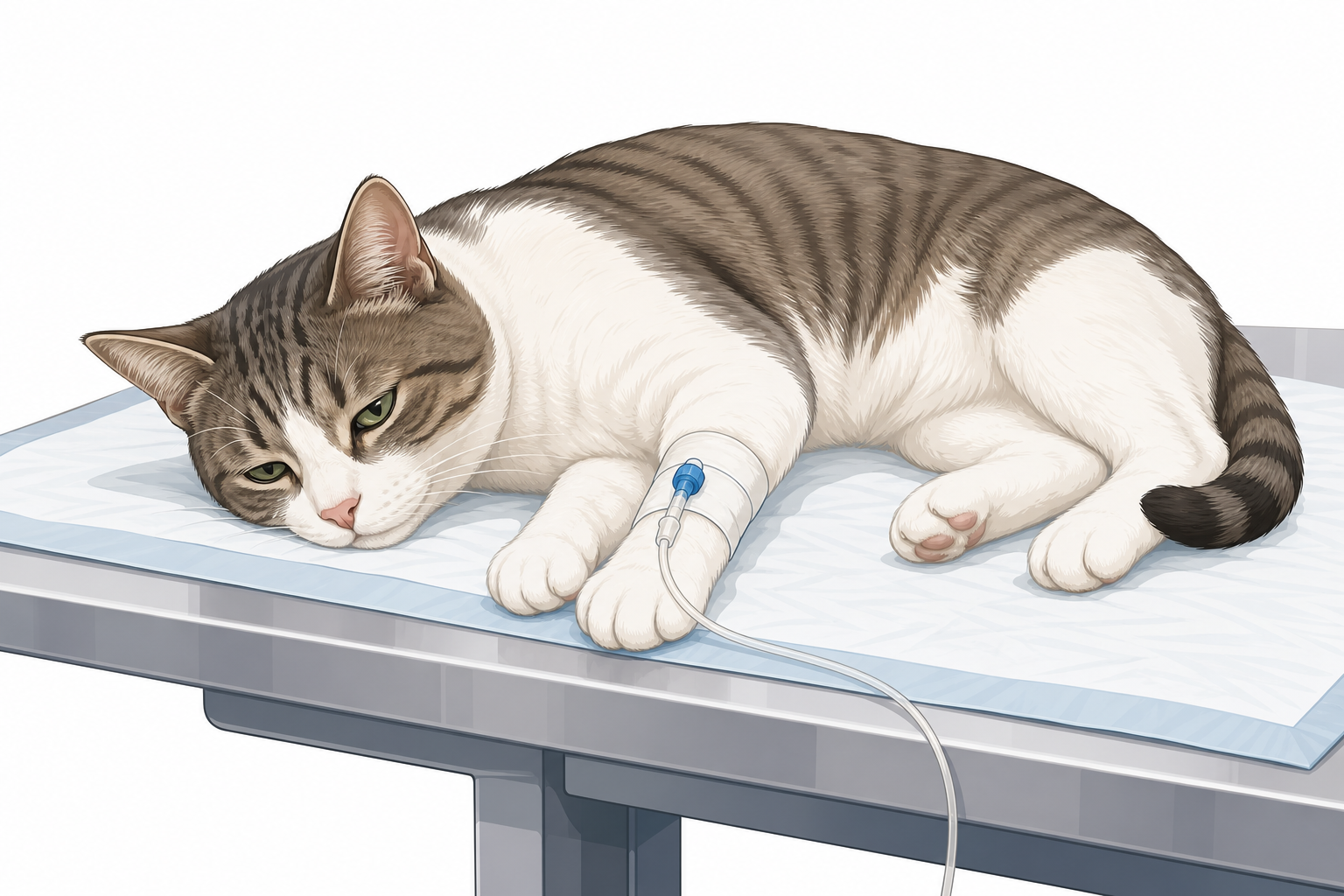
TL;DR. Shock is a life-threatening medical emergency in dogs and cats where the body's tissues are starved of oxygen due to a sudden drop in blood flow, requiring immediate veterinary intervention to prevent permanent organ damage or death.
Rapid intravenous fluid therapy is a cornerstone of treating many forms of shock.
What is it?
In veterinary medicine, shock is not an emotional state of fright or surprise. Instead, it is a critical, life-threatening physiological crisis. At its core, shock is defined by systemic hypoperfusion—a severe drop in blood flow throughout the body—which leads to a drastic reduction in oxygen delivery ($DO_2$) to vital organs and tissues. When your pet's cells do not receive enough oxygen, they cannot produce energy normally. Without immediate intervention, this cellular starvation leads to widespread cell death, organ failure, and ultimately, cardiovascular collapse.
To understand shock, it helps to look at how the cardiovascular system functions. The system relies on three main components: a functional pump (the heart), an adequate volume of fluid (blood and plasma), and a healthy network of pipes (blood vessels) that can constrict or dilate to maintain pressure. According to a leading veterinary internal medicine reference, shock most commonly results from a failure in one of these three areas, dividing the condition into three major functional categories:
- Hypovolemic Shock: This occurs when there is a severe loss of intravascular volume (the fluid inside the blood vessels). It is the most common form of shock in small animals and is typically caused by severe bleeding, profound dehydration, or massive fluid loss from the gastrointestinal tract.
- Distributive Shock: This happens when the blood vessels suddenly dilate (widen) inappropriately, causing a maldistribution of vascular volume. Even if the pet has a normal amount of blood, the vessels are too wide to maintain adequate blood pressure, leaving vital organs under-perfused. This is commonly seen in severe infections (septic shock) or massive allergic reactions (anaphylactic shock).
- Cardiogenic Shock: This is caused by a failure of the cardiac pump. If the heart cannot pump blood effectively—due to heart failure, severe arrhythmias, or structural heart disease—oxygen cannot be delivered to the tissues, regardless of how much fluid is in the blood vessels.

During shock, blood flow is diverted away from non-essential organs to protect the brain and heart.
An important concept in veterinary medicine is the "shock organ." Different species have different organs that bear the brunt of the damage during a circulatory crisis. In dogs, the primary shock organ is the gastrointestinal tract. When a dog enters shock, blood is shunted away from the intestines to protect the brain and heart. This lack of oxygen causes the intestinal barrier to break down rapidly, which is why dogs in shock frequently develop severe gastrointestinal symptoms like bloody diarrhea or vomiting. In cats, the lungs are a primary target, often leading to severe respiratory distress.
Causes & risk factors
Shock is always a secondary consequence of an underlying disease, injury, or environmental hazard. Understanding what triggers shock can help you recognize when your pet is at risk.
- Trauma and Hemorrhage: Severe physical trauma, such as being struck by a vehicle, falling from a height, or sustaining deep bite wounds, can cause massive external or internal bleeding. This rapid loss of blood volume directly triggers hypovolemic shock.
- Severe Dehydration: Conditions that cause rapid fluid loss, such as severe, untreated vomiting and diarrhea, heatstroke, or urinary crises, deplete the body's water reserves, leading to a critical drop in blood volume.
- Sepsis and Severe Infection: When an infection spreads into the bloodstream, the body's immune system launches an overwhelming inflammatory response. This causes widespread blood vessel dilation and fluid leakage, culminating in distributive septic shock.
- Heart Disease: Advanced congestive heart failure, dilated cardiomyopathy (DCM), hypertrophic cardiomyopathy (HCM in cats), severe heartworm disease, or dangerous heart rhythm abnormalities (arrhythmias) can impair the heart's pumping ability, triggering cardiogenic shock.
- Anaphylaxis: Severe allergic reactions to insect stings, medications, or vaccines can cause sudden, massive release of inflammatory chemicals, leading to rapid blood vessel dilation and distributive shock.
- Other Systemic Crises: As noted in veterinary literature, other severe conditions such as extreme anemia (a lack of oxygen-carrying red blood cells), severe pulmonary (lung) dysfunction, or methemoglobinemia (a blood disorder that prevents oxygen release) can also severely reduce oxygen delivery and induce shock.
There are no specific breed predispositions for shock itself, as it is a universal physiological response to severe illness or injury. Any dog or cat, regardless of breed, age, or size, can enter shock if they experience a severe enough underlying trigger.
Signs to watch for
Recognizing the signs of shock early is the single most important factor in saving your pet's life. Shock is a progressive condition that moves from a compensated phase (where the body tries to fight off the drop in blood pressure) to a decompensated phase (where the body's defense mechanisms fail).
Common Signs
- Pale Mucous Membranes (Cardinal Sign): Healthy dogs and cats have bubblegum-pink gums. In shock, the gums turn pale pink, muddy gray, or stark white as blood is diverted to the core organs.
- Prolonged Capillary Refill Time (Cardinal Sign): If you gently press your finger against your pet's gums, the tissue will turn white. In a healthy pet, the pink color returns in under two seconds. In a pet in shock, this capillary refill time (CRT) is prolonged, often taking three seconds or longer, indicating poor peripheral circulation.
- Depressed Mentation: Your pet may appear dull, lethargic, unresponsive, or mentally disconnected from their surroundings as oxygen delivery to the brain decreases.
- Tachycardia (Rapid Heart Rate): In dogs, the heart will beat exceptionally fast to try and pump what little blood is left to the tissues. Small-breed dogs may have heart rates exceeding 160 beats per minute.
- Cool Extremities: The paws, ears, and tail may feel noticeably cold to the touch because blood flow is restricted to the body's core.
- Tachypnea (Rapid Breathing): Your pet will breathe rapidly to try and bring more oxygen into the lungs.
- Generalized Weakness: Your pet may struggle to stand, walk, or lift their head.
- Weak Peripheral Pulses: When your vet feels the pulse in your pet's inner thigh, it may feel faint, thready, or difficult to find.
- Respiratory Dysfunction: You may notice labored breathing, shallow breaths, or open-mouth breathing (especially in cats).
- Hypotension: Low blood pressure is a hallmark of progressing shock.
Occasional Signs
- Bradycardia (Slow Heart Rate): While dogs typically develop a rapid heart rate in shock, cats frequently respond differently. Cats in shock often present with an abnormally slow heart rate (less than 160 beats per minute), along with hypothermia.
- Collapse: A sudden loss of consciousness or inability to stand.
- Diarrhea, Melena, and Hematochezia: Due to the gut being the shock organ in dogs, you may see watery diarrhea, black tarry stools (melena), or bright red blood in the stool (hematochezia).
- Hyperemic Mucous Membranes: In the very early stages of distributive (septic) shock, the gums may actually look bright red or "injected" as blood vessels dilate.
- Bounding Peripheral Pulses: Also seen in early distributive shock, the pulses may temporarily feel unusually strong before collapsing.
- Icterus (Jaundice): A yellowing of the gums, whites of the eyes, or skin, which can occur if the shock is secondary to severe liver disease or red blood cell destruction.
- Oliguria: A significant decrease in urine production as the kidneys shut down to preserve fluid.
- Fever: May be present if septic shock or heatstroke is the underlying cause.
- Ileus: A temporary paralysis of the intestines, leading to a lack of normal gut movement.

Pale or white gums are a primary indicator of poor blood circulation and shock.
How vets diagnose it
When a pet in shock arrives at a veterinary hospital, diagnosis and treatment happen simultaneously. The veterinary team will perform a rapid triage exam, assessing your pet's airway, breathing, and circulation (the "ABCs"). They will immediately evaluate your pet's mental state, check the color of their gums, measure their capillary refill time, and feel their pulses.
According to a leading critical care textbook, physical parameters are highly sensitive indicators of shock:
"Those animals that are presented in the early stages of shock may be initially triaged as a lower priority and treatment [delayed if not recognized]. Physical examination and diagnostic parameters consistent with shock include a depressed mentation, pale pink, white, or injected mucous membranes, a capillary refill time of greater than 2 seconds, and heart rate abnormalities (cats: >220 beats/min or <160 beats/min; small-breed dogs: >160 beats/min)."
Once the initial physical triage is complete, your vet will run a suite of diagnostic tests to determine the severity of the shock and identify the underlying cause:
- Blood Lactate Measurement: This is one of the most critical tools for monitoring shock. When tissues are deprived of oxygen, they switch to anaerobic metabolism, which produces lactic acid. High blood lactate levels confirm tissue hypoperfusion, and tracking lactate levels over time tells the vet if their resuscitation efforts are working.
- Packed Cell Volume and Total Solids (PCV/TS): This rapid blood test measures the percentage of red blood cells and protein levels in the blood. It helps the vet quickly determine if the pet is dehydrated (high PCV/TS) or suffering from severe blood loss (low PCV/TS).
- Noninvasive Blood Pressure Measurement: Using an inflatable cuff (similar to those used on humans) or a Doppler probe, the vet will monitor your pet's blood pressure to detect hypotension and guide fluid therapy.
- Blood Gas Analysis: This test measures the levels of oxygen, carbon dioxide, and the acid-base balance in your pet's blood, providing a clear picture of respiratory and metabolic health.
- Electrocardiography (ECG): An ECG monitors the electrical activity of the heart, allowing the vet to identify any life-threatening arrhythmias that could be causing or complicating the shock.
- Echocardiography: A rapid ultrasound of the heart (often called a "TFAST" exam in emergencies) allows the vet to visualize the heart's chambers, valves, and pumping strength. This is crucial for ruling out cardiogenic shock, where giving large volumes of intravenous fluids could be fatal.
- Serum Cardiac Troponin I and T: These are blood biomarkers that rise when there is damage to the heart muscle, helping to identify underlying cardiac injury.
- Pulmonary Artery Catheterization (PAC): In highly specialized intensive care settings, this advanced monitoring tool may be used to measure pressures within the heart and pulmonary arteries, though it is less common in standard emergency practice.
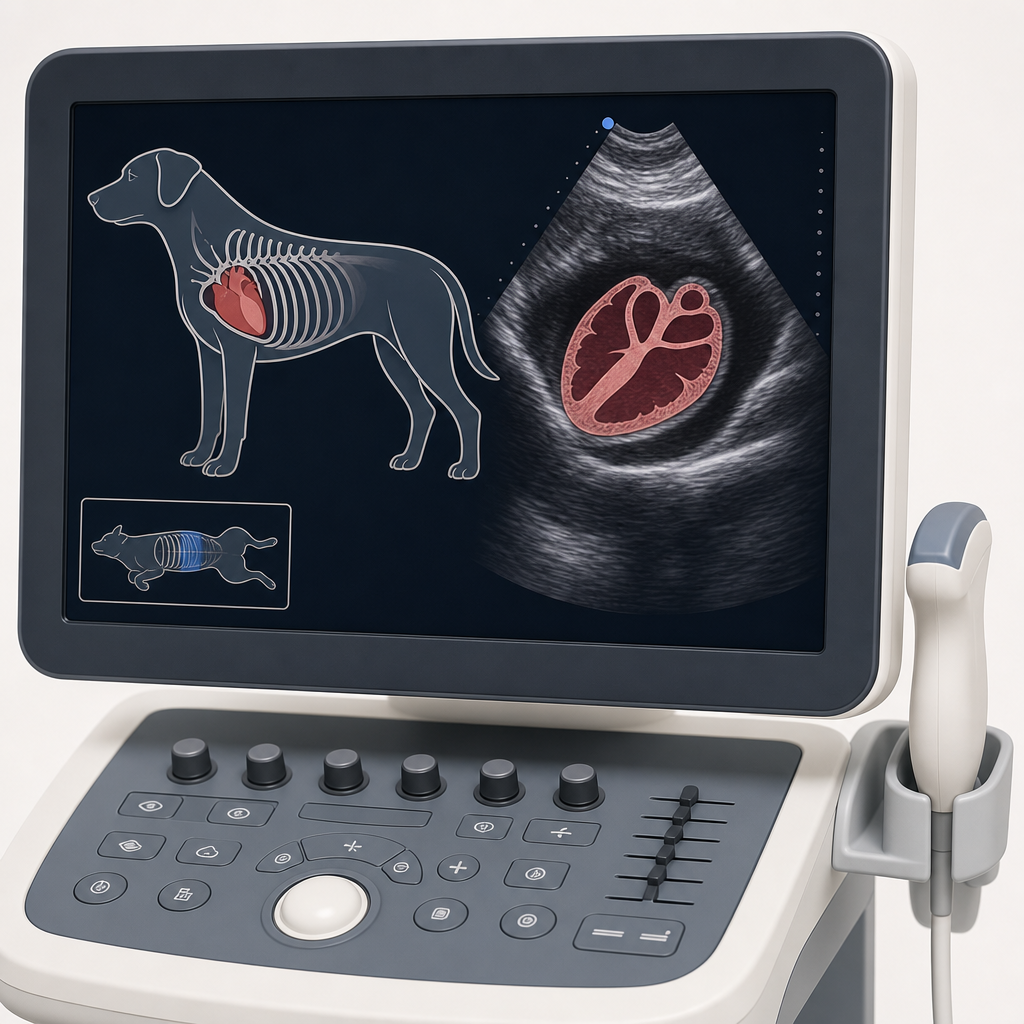
Echocardiography helps veterinarians quickly assess heart function and rule out cardiogenic shock.
Treatment options
Treating shock is a race against time. The primary goal of therapy is the rapid restoration of the cardiovascular system so that oxygen delivery to the tissues is normalized as soon as possible.
Fluid Resuscitation
For hypovolemic and distributive shock, the immediate administration of intravenous (IV) fluids is the cornerstone of therapy. Your vet will place a large IV catheter and administer specialized fluids (crystalloids, colloids, or blood products) rapidly to expand the blood volume and restore blood pressure. However, fluid therapy must be avoided or managed with extreme caution in cases of cardiogenic shock, as overloading a failing heart with fluids can lead to fatal fluid accumulation in the lungs.
Medications for Heart and Blood Vessel Support
If fluids alone cannot restore blood pressure, or if the pet is suffering from cardiogenic shock, your vet will use targeted medications to support the cardiovascular system:
- Dobutamine: This is a parenteral beta-adrenergic inotropic drug. It works by stimulating the beta-receptors on the heart muscle, increasing the strength of the heart's contractions and improving its pumping efficiency without dramatically increasing heart rate.
- Vasopressin: This is a potent hormone and vasopressor. It acts directly on the smooth muscles of the blood vessels, causing them to constrict. This helps raise blood pressure and redirect blood to vital organs in severe, distributive shock that does not respond to fluid therapy alone.
The Corticosteroid Controversy
Historically, glucocorticoids (corticosteroids) were commonly used in the treatment of shock. However, modern veterinary medicine has largely moved away from this practice due to a lack of proven benefit and significant safety concerns. A standard veterinary surgery reference states:
"There is no confirmed clinical benefit from corticosteroids when they are administered after the onset of shock. Risks of corticosteroid use include impaired immune function and possible increased rate of gastrointestinal ulceration. If used, they should be given gradually after adequate volume restoration has been initiated to prevent further hypotension."
Because shock already compromises the gastrointestinal tract (especially in dogs), adding corticosteroids significantly increases the risk of severe gut ulceration, bleeding, or necrosis.
Prognosis
The prognosis for a pet in shock is highly variable and depends heavily on how quickly treatment is initiated and what caused the shock in the first place.
If left untreated, the prognosis for shock is universally poor, almost always resulting in organ failure and death. However, if shock is recognized early and aggressive, goal-driven resuscitation is started immediately, many pets can make a full recovery.
For hypovolemic shock caused by simple dehydration or treatable blood loss, the prognosis is often good if fluids are started promptly. For distributive shock (such as severe sepsis) or cardiogenic shock, the prognosis remains guarded to poor, as these conditions are highly complex and difficult to manage. Long-term survival ultimately depends on whether the vet can successfully treat the underlying disease that triggered the shock.
Prevention
Because shock is a physiological state resulting from other severe conditions, you cannot prevent shock directly. Instead, prevention relies on proactive pet care and minimizing the risks of the underlying triggers:
- Prevent Trauma: Keep dogs on leashes and cats indoors to prevent motor vehicle accidents, falls, and animal fights.
- Seek Early Care for Illness: Never ignore persistent vomiting, diarrhea, or lethargy. Seeking veterinary care early prevents simple dehydration from cascading into hypovolemic shock.
- Manage Chronic Conditions: If your pet has been diagnosed with heart disease, strictly follow your vet's medication and monitoring guidelines to prevent the onset of cardiogenic shock.
- Avoid Toxins and Allergens: Keep household chemicals, human medications, and known allergens out of reach to prevent toxic exposures or anaphylactic reactions.
When to call your vet
Shock is a class-one veterinary emergency. If you suspect your pet is in shock, do not wait. Transport them to the nearest veterinary emergency hospital immediately.
Call the clinic while you are on your way so their medical team can prepare for your arrival. You should seek emergency care immediately if your pet exhibits any of the following red flags:
- Collapse or inability to stand
- Pale pink, white, or muddy gray gums
- Cold paws, ears, or tail
- Rapid, labored, or open-mouth breathing
- Extreme lethargy, depression, or unresponsiveness
- A known history of severe trauma (even if they seem fine initially)
- Profuse bleeding or severe, uncontrolled vomiting and diarrhea
Sources
- Small Animal Critical Care Medicine, 2nd Edition. pp. 21, 45, 46, 47.
- Current Techniques in Small Animal Surgery, 5th Edition. p. 287.
My highlights & notes
Signs & symptoms
How it is diagnosed
- Blood gas analysis
- Blood lactate measurement
- Echocardiography
- Electrocardiography (ECG)
- Noninvasive blood pressure measurement
- Packed cell volume and total solids
- Pulmonary artery catheterization (PAC)
- Serum cardiac troponin I and T
Treatment approaches
Treatment must be prescribed by a licensed veterinarian based on your pet. Specific drug doses are intentionally not shown here.
Frequently asked questions
What is Shock?
Shock is a life-threatening medical emergency in dogs and cats where tissues are starved of oxygen due to a sudden drop in blood flow. Recognizing early signs like pale gums, cold paws, and rapid breathing is critical for securing immediate, life-saving veterinary care.
What are the symptoms of Shock?
Cool extremities、Depressed mentation、Generalized weakness、Pale mucous membranes、Prolonged capillary refill time、Respiratory dysfunction、Fast heart rate、Fast breathing
How is Shock diagnosed?
Blood gas analysis、Blood lactate measurement、Echocardiography、Electrocardiography (ECG)、Noninvasive blood pressure measurement、Packed cell volume and total solids
How is Shock treated?
Treatment must be prescribed by a licensed veterinarian based on your pet. Specific drug doses are intentionally not shown here.
Sources
- Small Animal Critical Care Medicine, 2nd Edition (VetBooks.ir) · p. 46
- Small Animal Critical Care Medicine, 2nd Edition (VetBooks.ir) · p. 45
- Small Animal Critical Care Medicine, 2nd Edition (VetBooks.ir) · p. 47
- Current Techniques in Small Animal Surgery, 5th Edition (VetBooks.ir) · p. 287
- Small Animal Critical Care Medicine, 2nd Edition (VetBooks.ir) · p. 21
This article is for general education and is not a substitute for professional veterinary advice. If your pet is unwell, please consult a veterinarian.
Worried about your pet?
Peqaboo’s AI helps you track symptoms, understand lab reports, and know when to see a vet.
Get the Peqaboo app