

MDR1 Mutation
ABCB1 gene mutation
Also known as: ABCB1 Mutation, MDR1 Gene Defect, P-glycoprotein Deficiency
In short
The MDR1 mutation (ABCB1 gene defect) is a common hereditary condition in dogs, especially herding breeds, that causes life-threatening sensitivities to everyday medications. Learn how to identify at-risk dogs, recognize signs of drug toxicity, and safely manage your dog's healthcare with genetic testing.
TL;DR. A common genetic mutation in herding dogs disables a vital protective protein, making everyday medications like heartworm preventatives and anti-diarrheal drugs highly toxic or fatal.
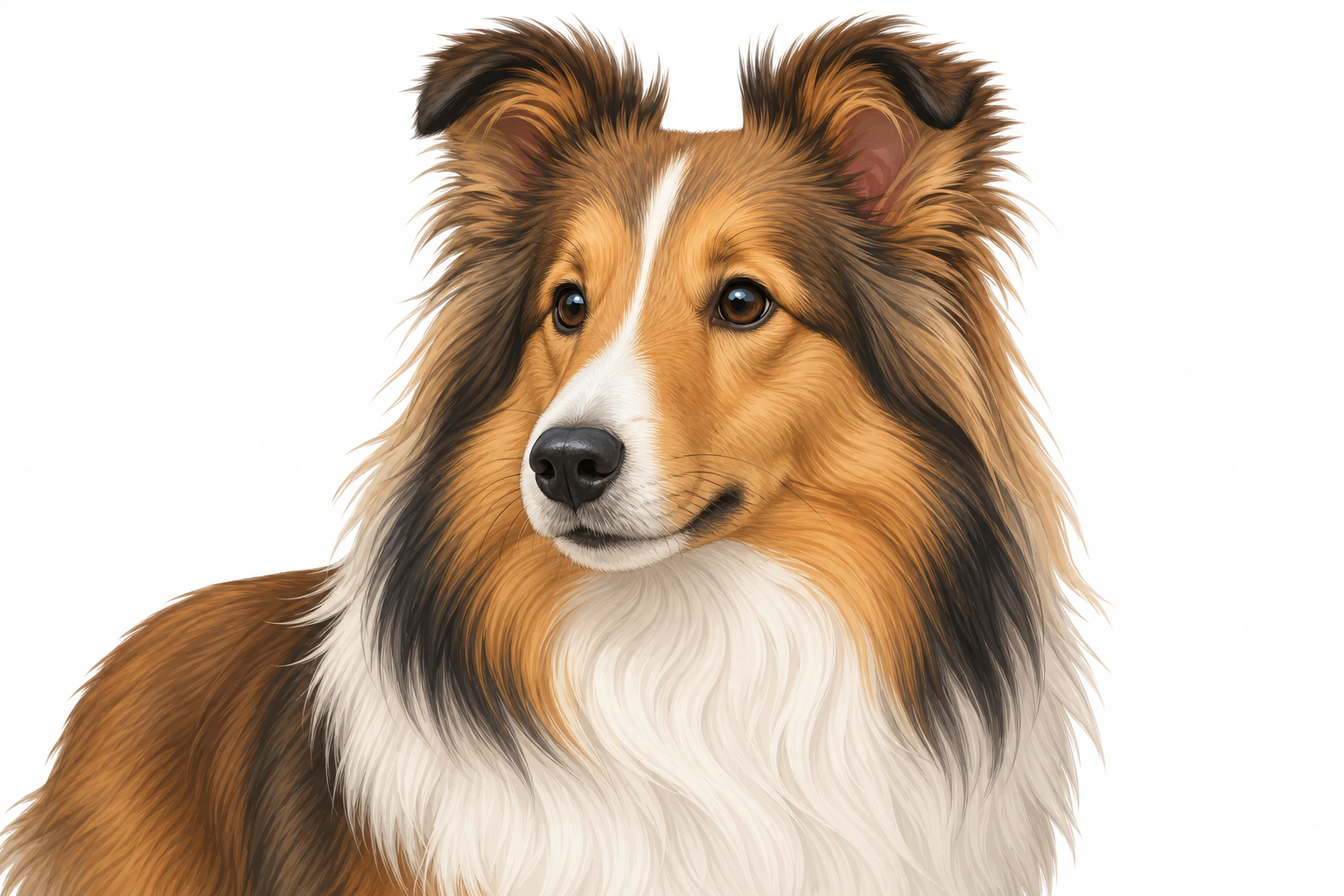
Shetland Sheepdogs are among the herding breeds highly predisposed to the MDR1 mutation.
What is it?
The MDR1 mutation, scientifically known as the ABCB1 gene mutation, is a hereditary genetic defect that alters how a dog's body processes certain medications. Under normal circumstances, a specific gene called ABCB1 (formerly known as the Multi-Drug Resistance 1, or MDR1, gene) is responsible for producing a crucial protective protein called P-glycoprotein. This protein functions as a microscopic "efflux pump" or security guard within cell membranes. Its primary job is to actively pump potentially harmful substances, toxins, and therapeutic drugs out of sensitive tissues and back into the bloodstream or excretory pathways to be eliminated from the body.
P-glycoprotein is heavily concentrated in several vital areas of the body, most notably the blood-brain barrier. The blood-brain barrier is a highly selective membrane that shields the central nervous system from circulating toxins. P-glycoprotein also exists in high concentrations in the liver, kidneys, and gastrointestinal tract, where it helps excrete drugs into the bile, urine, and feces.
When a dog carries the MDR1 mutation, this P-glycoprotein pump is either entirely non-functional or severely deficient. As a result, when the dog is given standard therapeutic doses of certain medications, the drugs are not pumped away from sensitive tissues. Instead, they accumulate to toxic levels. In the brain, this leads to profound central nervous system toxicity. In other organs, it can cause severe bone marrow suppression or gastrointestinal damage. For owners of at-risk breeds, understanding this mutation is a critical component of basic healthcare, as administering a common over-the-counter medication or a standard prescription can quickly turn into a life-threatening medical emergency.
As noted in a leading veterinary internal medicine reference:
"...have mutations of the ABCB1 (formerly MDR1 ) gene that encodes for P-glycoprotein, an efflux pump that rapidly eliminates chemotherapeutic agents from the cytoplasm of the cells,so alternative mechanisms of toxicity must be sought." — Small Animal Internal Medicine, p.1178
Causes & risk factors
The MDR1 mutation is an inherited genetic trait passed down from parent dogs to their offspring. It is inherited in an autosomal incomplete dominant pattern. This means a dog can inherit one copy of the mutated gene (heterozygous, or "carrier") or two copies of the mutated gene (homozygous, or "affected").
- Homozygous Mutant (Affected): These dogs have two copies of the mutated gene and completely lack functional P-glycoprotein. They are highly sensitive to drug toxicities and will experience severe adverse reactions to standard doses of problem medications.
- Heterozygous Mutant (Carrier): These dogs have one normal gene and one mutated gene. While they do produce some functional P-glycoprotein, they have a reduced capacity to pump drugs and can still experience toxicities at higher drug dosages.
- Normal (Clear): These dogs have two normal genes and produce normal levels of P-glycoprotein. They are not at risk for MDR1-related drug sensitivities.
The primary risk factor for this condition is breed heritage. The mutation is highly prevalent in herding breeds and certain sighthounds. The breeds predisposed to this genetic defect include:
- Collie
- Shetland Sheepdog (Sheltie)
- Australian Shepherd
- Miniature American Shepherd
- German Shepherd Dog
- Old English Sheepdog
- Border Collie
- English Shepherd
- Whippet
- Longhaired Whippet
- Silken Windhound
- English Spot
Even mixed-breed dogs that have any of these breeds in their lineage are at a high risk of carrying the mutation. If you own a dog of these breeds or a mix of these breeds, genetic testing is strongly recommended before administering any potentially high-risk medications.
Signs to watch for
If a dog with the MDR1 mutation is exposed to a triggering medication, signs of toxicity will typically develop within hours to days, depending on the drug and the dose administered. Because the blood-brain barrier is compromised, many of the most severe signs are neurological.
Common Signs
- Vomiting: Often one of the first signs of gastrointestinal distress or systemic toxicity.
- Ataxia: A pronounced lack of coordination, causing the dog to stumble, sway, or walk as if they are drunk.
- Lethargy: Extreme tiredness, weakness, or reluctance to move.
- Tremors: Involuntary muscle twitching or shaking.
- Hypersalivation: Excessive drooling, often caused by nausea or neurological distress.
- Depression: A noticeable lack of responsiveness to surroundings, family members, or normal stimuli.
- Anorexia: Complete loss of appetite.
- Mydriasis: Severely dilated pupils that do not constrict normally in bright light.
- Diarrhea: Loose, watery stools.
- Bone Marrow Suppression: A decrease in red blood cells, white blood cells, and platelets, which is a common side effect when chemotherapeutic drugs accumulate in the body.
Occasional Signs
- Tachycardia: An abnormally rapid heart rate.
- Dehydration: Often secondary to prolonged vomiting, diarrhea, or refusal to drink.
- Seizures: Severe, uncontrolled electrical activity in the brain, representing a major neurological emergency.
According to a prominent veterinary pharmacology reference, clinical observations of toxicity in dogs show a distinct pattern of symptoms:
"Common findings in dogs recorded in decreasing frequency included vomiting, ataxia, lethargy, tachycardia, hypersalivation, mydriasis, and seizures." — Plumb's Veterinary Drug Handbook, p.1982

Dilated pupils and severe lethargy are common clinical signs of drug toxicity in MDR1-affected dogs.
How vets diagnose it
Diagnosing the MDR1 mutation itself is straightforward and should ideally be performed before any clinical signs of toxicity ever occur.
The gold standard for diagnosis is MDR1 Genetic Testing. This is a highly accurate DNA test that can be performed using a simple cheek (buccal) swab or a small blood sample. Your veterinarian will collect the sample and send it to a specialized veterinary genetics laboratory. The laboratory sequences the ABCB1 gene to determine if your dog is clear, a carrier, or affected. Because this is a genetic test, it only needs to be performed once in a dog's lifetime, and the results remain valid forever.
If a dog is already showing signs of drug toxicity, your veterinarian will perform a comprehensive physical and neurological examination. They will ask for a detailed history of any medications, supplements, or topical treatments your dog has received, as well as any potential exposure to horse manure (which often contains high concentrations of excreted ivermectin from deworming pastes).
While routine blood work (such as a complete blood count and biochemistry panel) cannot diagnose the MDR1 mutation itself, your vet will use these tests to evaluate organ function, check for bone marrow suppression (low white blood cell or platelet counts), and monitor for dehydration or electrolyte imbalances caused by vomiting and diarrhea.
Treatment options
There is no cure for the MDR1 mutation; it is a permanent genetic blueprint. However, if an affected dog is accidentally exposed to a toxic medication, veterinary treatment is focused on rapidly removing the drug from the body and providing intensive supportive care.
First-Line Therapy: Gastrointestinal Decontamination
If the toxic drug was ingested recently (typically within 1 to 2 hours), your vet may induce vomiting to prevent further absorption. This is followed by the administration of:
- Activated Charcoal: This is a highly porous, black liquid administered orally or via a stomach tube. It acts as a gastrointestinal adsorbent, binding to the chemical molecules of the drug within the stomach and intestines. This prevents the drug from being absorbed into the bloodstream, allowing it to pass safely through the digestive tract and exit in the feces.
Second-Line Therapy: Intravenous Fat Emulsion (IFE)
For severe, life-threatening toxicities involving fat-soluble (lipophilic) drugs like ivermectin, veterinarians utilize an advanced treatment known as Intravenous Fat Emulsion (IFE) therapy, or lipid rescue therapy:
- Intravenous Fat Emulsion: This treatment involves infusing a sterile liquid fat solution directly into the dog's bloodstream. This fat solution creates a "lipid sink" or "lipid pool" within the blood. Because many of the drugs that trigger MDR1 toxicities are highly fat-soluble, they are drawn out of the brain and body tissues and into this lipid pool in the bloodstream. Once trapped in the fat emulsion, the toxins are carried to the liver and kidneys to be safely metabolized and excreted, rapidly reversing severe neurological signs like coma or seizures.
Supportive Care
Dogs suffering from severe toxicities often require hospitalization in an intensive care unit. This includes intravenous fluid therapy to combat dehydration and support kidney function, medications to control seizures or muscle tremors, nutritional support, and intensive nursing care to prevent bedsores if the dog is unable to stand.

Intravenous fat emulsion (lipid rescue therapy) is an advanced treatment used to reverse severe drug toxicities.
Prognosis
Specific long-term prognosis statistics for dogs with the MDR1 mutation are not formally quantified in standard databases, as the mutation itself is a genetic trait rather than an active, progressive disease.
If a dog with the MDR1 mutation is identified early through genetic screening and is never exposed to dangerous medications, their prognosis is excellent. They will live a completely normal, healthy, and full life with no physical limitations or shortened lifespan.
However, if an affected dog is exposed to a high dose of a triggering medication, the prognosis becomes highly guarded and depends on several factors:
- The specific drug and dose administered.
- How quickly veterinary treatment was initiated.
- The severity of the neurological signs (dogs presenting with seizures or coma have a more guarded prognosis).
- The availability of advanced therapies like Intravenous Fat Emulsion.
With prompt, aggressive veterinary care, many dogs can make a full recovery from drug toxicities, though hospital stays can be lengthy and expensive.
Prevention
The MDR1 mutation is entirely preventable in terms of clinical disease, as toxic reactions only occur when a dog is exposed to specific medications. Prevention relies on two primary pillars: genetic screening and strict drug avoidance.
Genetic Screening
Every dog belonging to an at-risk breed, or any mixed-breed dog with herding ancestry, should be genetically tested for the MDR1 mutation. This test should ideally be performed during puppyhood, well before the dog requires routine medications, surgeries, or emergency treatments. Knowing your dog's MDR1 status allows you and your veterinarian to customize a safe, lifelong medical plan.
Strict Drug Avoidance
If your dog tests positive for the MDR1 mutation (either as a carrier or affected), you must maintain a strict list of contraindicated medications. You must share this list with any veterinarian, pet sitter, or boarding facility caring for your dog.
Key medications that are strictly contraindicated or require extreme caution include:
- Loperamide (Imodium): A common over-the-counter anti-diarrheal medication. This drug is highly neurotoxic to MDR1-deficient dogs.
- High-Dose Ivermectin: Commonly used to treat mange or ear mites, and found in equine dewormers. (Note: Low doses of ivermectin used in standard monthly heartworm preventatives are generally safe for carriers, but alternative heartworm preventatives are often recommended for affected dogs to eliminate all risk).
- Certain Chemotherapy Agents: Drugs like doxorubicin, vincristine, and vinblastine require careful dose adjustments or alternative protocols.
- Certain Anesthetics and Sedatives: Acepromazine and butorphanol can cause prolonged, deep sedation in affected dogs and require dose reductions.
As emphasized in veterinary pharmacology literature:
"Because loperamide is potentially a neurotoxic substrate of P-glycoprotein, it is contraindicated in dogs tested positive for the ABCB 1-1∆ (MDR1) mutation. Alternative antidiarrheals should be considered in untested dogs of herding breeds..." — Plumb's Veterinary Drug Handbook, p.2140
With the rise of advanced veterinary medicine, managing these risks is more important than ever:
"As clinicians strive for higher remission rates and longer survival times, treatment protocols are rapidly approaching the cutting edge. The consequence of these advances is that chemotherapy complications have become a reality" — Small Animal Critical Care Medicine, p.993
When to call your vet
You should contact your veterinarian immediately if you own an at-risk breed and suspect they have ingested any potentially dangerous medication.
Seek emergency veterinary care immediately if your dog exhibits any of the following red-flag signs:
- Seizures or severe muscle tremors
- Inability to stand, stumbling, or extreme wobbliness (ataxia)
- Unresponsiveness, extreme lethargy, or stupor
- Severely dilated pupils that do not react to light
- Excessive, uncontrolled drooling combined with vomiting
If your dog is scheduled for a routine procedure, starting a new medication, or undergoing cancer treatment, always ask your veterinarian if they have been tested for the MDR1 mutation and confirm that all prescribed drugs are safe for their genetic profile.
For specific breeds
Because the MDR1 mutation is a breed-specific hereditary defect, owners of herding dogs and select sighthounds must be exceptionally vigilant. Collies have the highest prevalence of the mutation, with some studies estimating that up to 70% of Collies in certain regions carry at least one mutated allele. Shetland Sheepdogs, Australian Shepherds, and Miniature American Shepherds also show high mutation frequencies.
If you own any of these breeds, do not assume they are clear of the mutation because their parents "looked healthy." The mutation does not cause any outward physical changes or illness on its own. A dog can appear completely healthy and athletic while carrying two copies of the defective gene, only showing signs when a triggering drug is administered. Genetic testing is the only way to guarantee your dog's safety.
Sources
- Plumb's Veterinary Drug Handbook, pages 1280, 1982, 2140.
- Small Animal Internal Medicine (5th Edition), page 1178.
- Small Animal Critical Care Medicine (2nd Edition), page 993.
My highlights & notes
Signs & symptoms
Breeds at higher risk
How it is diagnosed
- MDR1 Genetic TestingGold standard
Treatment approaches
Treatment must be prescribed by a licensed veterinarian based on your pet. Specific drug doses are intentionally not shown here.
Frequently asked questions
What is MDR1 Mutation?
The MDR1 mutation (ABCB1 gene defect) is a common hereditary condition in dogs, especially herding breeds, that causes life-threatening sensitivities to everyday medications. Learn how to identify at-risk dogs, recognize signs of drug toxicity, and safely manage your dog's healthcare with genetic testing.
What are the symptoms of MDR1 Mutation?
Loss of appetite、Ataxia (wobbly, unsteady walking)、Low mood and dullness、Diarrhoea、Excessive drooling、Lethargy、Mydriasis、Tremors (shaking, trembling)
How is MDR1 Mutation diagnosed?
MDR1 Genetic Testing
How is MDR1 Mutation treated?
Treatment must be prescribed by a licensed veterinarian based on your pet. Specific drug doses are intentionally not shown here.
Sources
- Plumb · p. 1982
- Internal Medicine 5th · p. 1178
- Small Animal Critical Care Medicine, 2nd Edition (VetBooks.ir) · p. 993
- Plumb · p. 2140
- Plumb · p. 1280
This article is for general education and is not a substitute for professional veterinary advice. If your pet is unwell, please consult a veterinarian.
Worried about your pet?
Peqaboo’s AI helps you track symptoms, understand lab reports, and know when to see a vet.
Get the Peqaboo app