

MDR1 Mutation
ABCB1 gene mutation
Nota anche come: ABCB1 Mutation, MDR1 Gene Defect, P-glycoprotein Deficiency
In breve
The MDR1 mutation (ABCB1 gene defect) is a common hereditary condition in dogs, especially herding breeds, that causes life-threatening sensitivities to everyday medications. Learn how to identify at-risk dogs, recognize signs of drug toxicity, and safely manage your dog's healthcare with genetic testing.
TL;DR. Una mutazione genetica comune nei cani da pastore disattiva una proteina protettiva e rende tossici o fatali farmaci di uso comune.
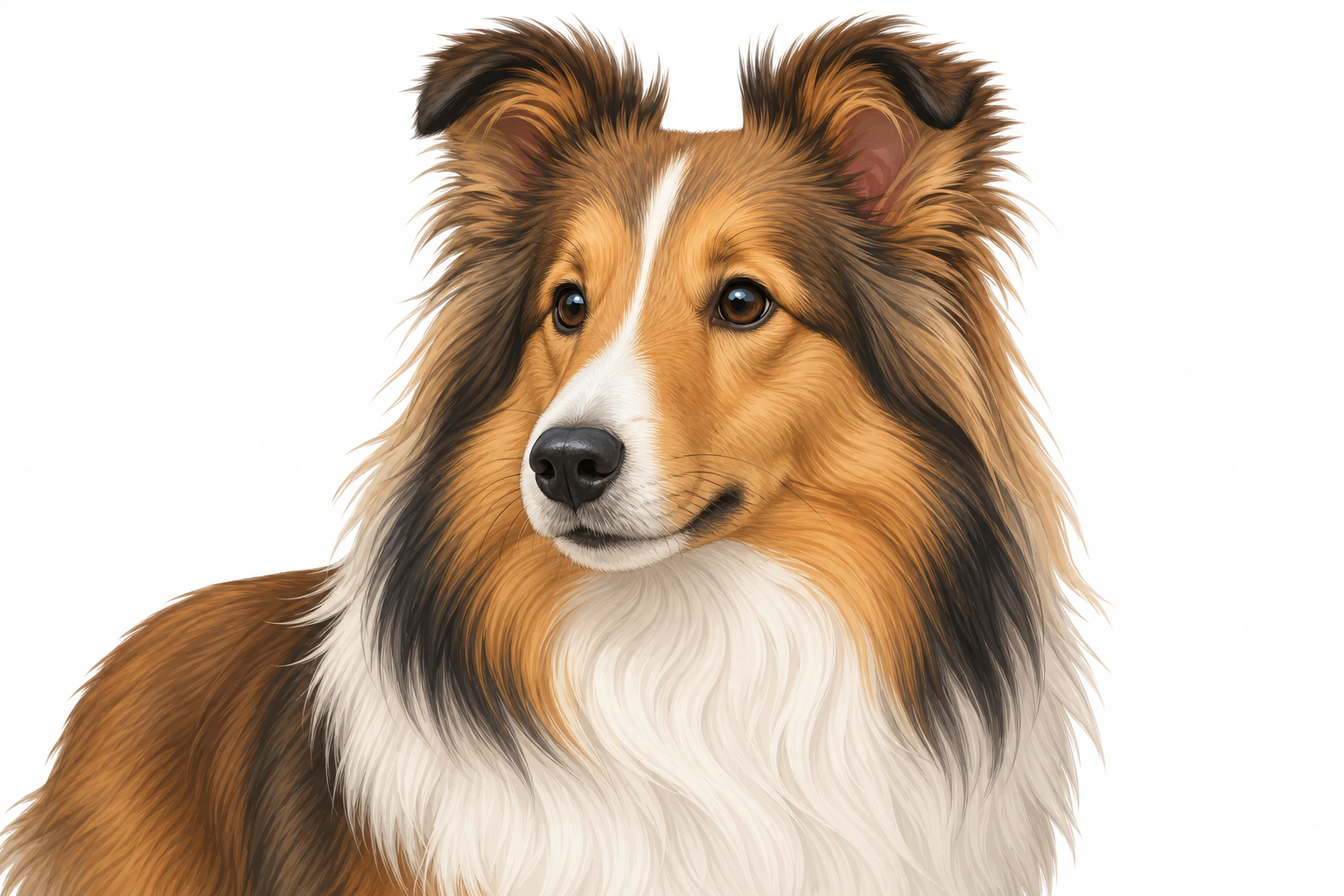
Shetland Sheepdogs are among the herding breeds highly predisposed to the MDR1 mutation.
Cos'è?
The MDR1 (ABCB1) mutation is a hereditary defect that impairs P-glycoprotein, an efflux pump concentrated at the blood-brain barrier and in liver, kidney, and gut. Without a working pump, many drugs accumulate in sensitive tissues and cause neurologic or organ toxicity at ordinary doses.
Cause e fattori di rischio
Autosomal incomplete dominant inheritance. Homozygous mutants lack functional P-glycoprotein; heterozygous carriers have reduced capacity and can still react at higher doses. Risk is breed-linked: Collie, Shetland Sheepdog, Australian Shepherd, Miniature American Shepherd, German Shepherd, Old English Sheepdog, Border Collie, English Shepherd, Whippet, Longhaired Whippet, Silken Windhound, and mixes with herding ancestry.
Segni da osservare
- Vomiting, ataxia, lethargy, tremors, hypersalivation
- Depression, anorexia, mydriasis, diarrhea
- Bone marrow suppression (chemo substrates)
- Occasional: tachycardia, dehydration, seizures
"Common findings in dogs recorded in decreasing frequency included vomiting, ataxia, lethargy, tachycardia, hypersalivation, mydriasis, and seizures." - Plumb's Veterinary Drug Handbook, p.1982

Dilated pupils and severe lethargy are common clinical signs of drug toxicity in MDR1-affected dogs.
Come diagnosticano i veterinari
One-time MDR1 genetic testing (cheek swab or blood) classifies clear, carrier, or affected. In acute toxicity: history of drug exposure, neurologic exam, CBC/chemistry for organ support and marrow effects.

Intravenous fat emulsion (lipid rescue therapy) is used to reverse severe lipophilic drug toxicities.
Opzioni di trattamento
No cure for the genotype. Acute exposure: decontamination if recent; Activated Charcoal; Intravenous Fat Emulsion for severe lipophilic toxicity (e.g. ivermectin); IV fluids, seizure control, intensive support. Lifelong: avoid or dose-adjust high-risk drugs (loperamide, high-dose ivermectin, some chemotherapeutics, acepromazine, butorphanol).
Prognosi
Excellent if never exposed to problem drugs. Guarded after high-dose toxicity depending on drug, dose, speed of care, and access to lipid rescue.
Prevenzione
Test at-risk breeds and mixes before routine meds or chemo. Keep a contraindicated-drug list for every caretaker. Prefer MDR1-safe heartworm preventives when indicated.
Quando chiamare il veterinario
Emergency now: seizures, severe ataxia or inability to stand, stupor, non-reactive dilated pupils, uncontrolled drooling with vomiting after a suspect drug.
Per razze specifiche
Highest prevalence reported in Collies; also common in Shelties, Australian Shepherds, and Miniature American Shepherds. Appearance alone does not predict status; DNA test once.
Fonti
- Plumb's Veterinary Drug Handbook, pages 1280, 1982, 2140.
- Small Animal Internal Medicine (5th Edition), page 1178.
- Small Animal Critical Care Medicine (2nd Edition), page 993.
My highlights & notes
Segni e sintomi
Razze a rischio più alto
Come si diagnostica
- MDR1 Genetic TestingGold standard
Approcci di trattamento
Il trattamento deve essere prescritto da un veterinario abilitato in base al vostro animale. Le dosi specifiche non sono mostrate di proposito.
Domande frequenti
What is MDR1 Mutation?
The MDR1 mutation (ABCB1 gene defect) is a common hereditary condition in dogs, especially herding breeds, that causes life-threatening sensitivities to everyday medications. Learn how to identify at-risk dogs, recognize signs of drug toxicity, and safely manage your dog's healthcare with genetic testing.
What are the symptoms of MDR1 Mutation?
Loss of appetite、Ataxia (wobbly, unsteady walking)、Low mood and dullness、Diarrhoea、Excessive drooling、Lethargy、Mydriasis、Tremors (shaking, trembling)
How is MDR1 Mutation diagnosed?
MDR1 Genetic Testing
How is MDR1 Mutation treated?
Il trattamento deve essere prescritto da un veterinario abilitato in base al vostro animale. Le dosi specifiche non sono mostrate di proposito.
Fonti
- Plumb · p. 1982
- Internal Medicine 5th · p. 1178
- Small Animal Critical Care Medicine, 2nd Edition (VetBooks.ir) · p. 993
- Plumb · p. 2140
- Plumb · p. 1280
Questo articolo è informativo e non sostituisce il parere veterinario. Se l’animale sta male, consultate un veterinario.
Preoccupato per il tuo animale?
L’AI di Peqaboo aiuta a tracciare i sintomi, capire le analisi e sapere quando vedere il veterinario.
Scarica l’app Peqaboo