

Dropsy
Also known as: Pinecone disease, Ascites, Bloat
In short
Dropsy is a serious clinical syndrome in fish characterized by fluid accumulation, causing abdominal swelling and protruding scales. Often stemming from underlying kidney or bacterial issues, it carries a guarded prognosis and requires immediate veterinary intervention.
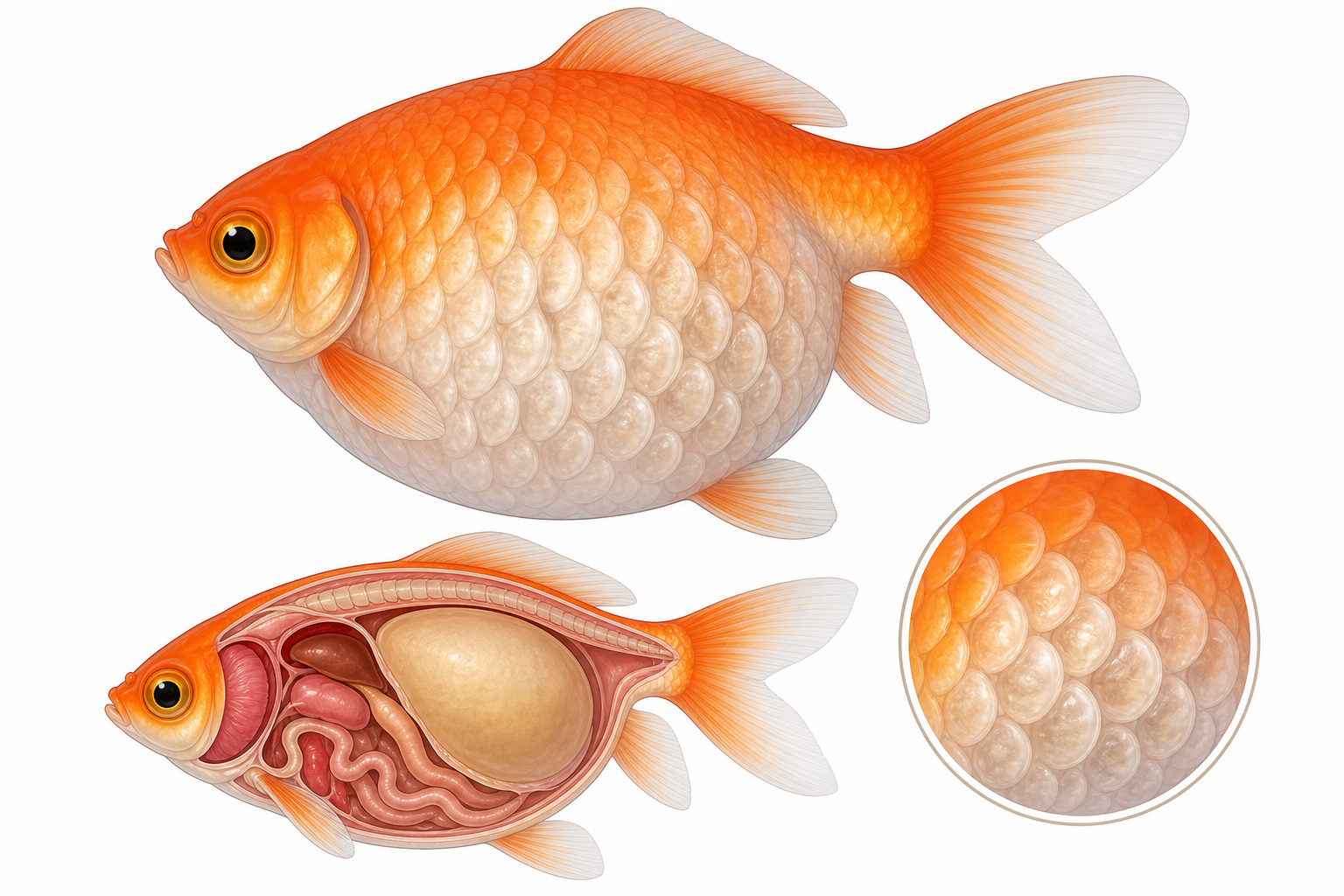
TL;DR. Dropsy is not a disease itself, but a severe clinical sign of internal organ failure in fish, characterized by a swollen abdomen and raised, pinecone-like scales.
The classic 'pinecone' appearance of scales is a hallmark sign of advanced dropsy.
What is it?
Dropsy is a clinical syndrome in fish rather than a specific, single disease. It is characterized by a dramatic accumulation of fluid within the fish's body cavity (the coelom) or within the tissues of the body. This fluid buildup leads to severe abdominal distension and causes the fish's scales to stand on end, giving them a distinctive "pinecone" appearance when viewed from above. Because fish are non-traditional veterinary patients, many treatment protocols are adapted from general aquatic veterinary medicine principles and extrapolated across different species.
To understand dropsy, it is helpful to look at how a fish's body interacts with its environment. Fish rely on a delicate process called osmoregulation to maintain the correct balance of water and salts in their bodies. In freshwater fish, the body fluids are much saltier than the surrounding water. Because of osmosis, water is constantly drawn into the fish's body through the skin and gills. To prevent themselves from bloating, freshwater fish must continuously pump this excess water out of their systems. The kidneys are the primary organs responsible for this task, producing large amounts of highly dilute urine.
When the kidneys or other vital organs are damaged by infection, toxins, or physical trauma, this osmoregulatory system breaks down. The fish can no longer excrete the water that enters its body. As a result, fluid pools in the abdomen and under the skin. This fluid pressure stretches the scale pockets, forcing the scales to protrude outward. By the time these physical signs are visible, the underlying organ damage is typically advanced and severe.
Causes & risk factors
Dropsy is almost always triggered by an underlying systemic issue that compromises the fish's immune system or directly damages its excretory organs. The most common causes include:
- Systemic Bacterial Infections: Opportunistic bacteria, such as Aeromonas or Pseudomonas species, are naturally present in most aquatic environments. In healthy fish, the immune system easily keeps these bacteria at bay. However, if the fish is stressed or immunocompromised, these bacteria can enter the bloodstream, causing sepsis and targeting the kidneys.
- Poor Water Quality: High levels of ammonia, nitrite, or nitrate act as chronic stressors. Exposure to these toxins damages the gills and kidneys directly, impairing their ability to regulate fluids and leaving the fish vulnerable to secondary infections.
- Parasitic or Viral Pathogens: Internal parasites or viral infections can damage internal organs, leading to organ failure and subsequent fluid retention.
- Chronic Stress: Sudden temperature fluctuations, improper nutrition, overcrowding, or aggressive tankmates weaken a fish's natural defenses, making them susceptible to the pathogens that cause dropsy.
Because dropsy is a manifestation of organ failure, there are no specific breed predispositions. However, fancy goldfish varieties (such as Orandas, Ryukins, and Pearlscales) are frequently diagnosed with dropsy. Their selectively bred, compact body shapes compress their internal organs, which may make them more vulnerable to osmoregulatory complications when stressed.
Signs to watch for
The signs of dropsy can develop gradually or appear suddenly, depending on the speed of the underlying organ failure. Owners should monitor their fish closely for the following clinical signs:
- Abdominal distension (Cardinal): The fish's belly becomes noticeably swollen, round, and bloated.
- Pinecone appearance of scales (Cardinal): When viewed from above, the scales stick out away from the body rather than lying flat against the skin.
- Inappetence (Common): The fish loses interest in food and may refuse to eat entirely.
- Lethargy (Common): The fish may rest at the bottom of the tank, hide in decorations, or hover listlessly near the water surface.
- Pale gills (Occasional): The gills may lose their healthy bright red color, appearing pink or white due to anemia or poor circulation.
- Exophthalmos (Occasional): Also known as "pop-eye," one or both eyes may bulge outward due to fluid pressure accumulating behind the eyes.

Viewing a fish from above makes the raised, pinecone-like scales easier to identify.
Any sign of scale protrusion (pineconing) combined with severe lethargy or difficulty swimming is a critical medical emergency that requires immediate veterinary attention.
How vets diagnose it
Diagnosing the underlying cause of dropsy requires a systematic approach by an aquatic veterinarian. Because dropsy is a symptom rather than a disease, simply identifying the swelling is not enough; the vet must determine what caused the organ failure to design an effective treatment plan.
The diagnostic process typically begins with a comprehensive water quality analysis. Your vet will test the aquarium or pond water for parameters such as pH, temperature, ammonia, nitrite, and nitrate. Since poor water quality is the primary driver of immune suppression in fish, this step is vital to understanding the root cause of the illness.
Next, the vet may perform a skin scrape and gill biopsy. These quick, minimally invasive tests involve taking a small sample of mucus or gill tissue to examine under a microscope. This allows the vet to rule out external parasites that could be contributing to the fish's stress and respiratory distress.
The gold standard for identifying the bacterial pathogens responsible for systemic dropsy is a bacterial culture and sensitivity test. To perform this, the vet may use a fine needle to gently collect a sample of the fluid accumulated in the fish's abdomen (a procedure called coelocentesis). This fluid is then cultured in a laboratory to identify the specific bacteria present and determine which antibiotics will be most effective at treating the infection.
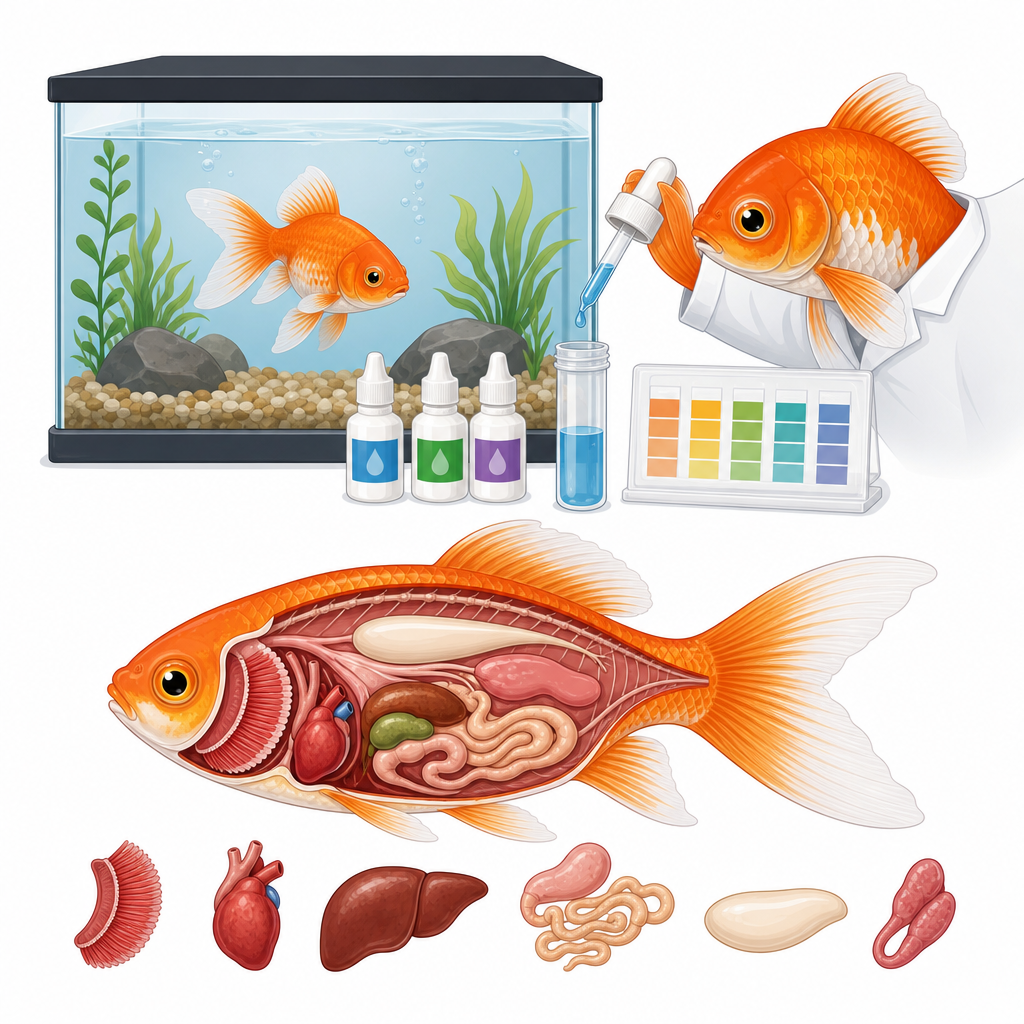
Water quality testing is a critical first step in diagnosing the underlying causes of dropsy.
Treatment options
Treating dropsy is highly challenging because the physical signs usually point to advanced kidney damage. However, if the condition is caught early, a combination of supportive care and targeted medication can sometimes save the fish.
First-Line Supportive Care (Osmoregulatory Support)
The primary goal of supportive care is to relieve the fluid pressure on the fish's internal organs. This is achieved using Magnesium Sulfate (commonly known as Epsom salt).
- Mechanism: When added to a dedicated hospital tank, magnesium sulfate acts as an osmotic agent. It increases the salinity of the water slightly, which helps draw excess fluid out of the fish's swollen tissues and abdominal cavity through osmosis. Unlike sodium chloride (aquarium salt), which can sometimes worsen fluid retention if the kidneys are failing, magnesium sulfate acts as a mild diuretic and laxative to reduce swelling.
- Application: This treatment must be performed in a separate quarantine or "hospital" tank to avoid altering the chemistry of the main aquarium, which could harm healthy tankmates or live plants.
First-Line Antimicrobial Therapy
If a bacterial infection is suspected or confirmed via culture, targeted antibiotic therapy is necessary. Minocycline, a broad-spectrum tetracycline antibiotic, is commonly used to treat systemic bacterial infections in fish.
- Mechanism: Minocycline is absorbed through the fish's skin and gills, or it can be administered via medicated food if the fish is still actively eating. It works by inhibiting bacterial protein synthesis, helping the fish's immune system overcome the infection.
- Application: Antibiotic therapy should always be conducted in a hospital tank. Many antibiotics can destroy the beneficial nitrifying bacteria in your main tank's biological filter, leading to dangerous ammonia spikes that would further stress the sick fish.
Prognosis
The prognosis for a fish displaying the classic "pinecone" signs of dropsy is guarded to poor. By the time the scales begin to protrude, significant and often irreversible damage has already occurred to the kidneys or other internal organs.
If the fish does not show signs of improvement within a few days of starting treatment, or if they stop swimming, lose the ability to maintain their balance, and refuse food, their quality of life is severely compromised. In these cases, you should discuss humane euthanasia options with your veterinarian. Long-term prognosis data in this species is limited, as outcomes vary widely depending on the specific pathogen, the fish's overall health, and how quickly veterinary intervention was initiated.
Prevention
Because dropsy is difficult to treat once it develops, prevention through excellent husbandry is the most effective strategy.
- Maintain Pristine Water Quality: Perform regular partial water changes (typically 10% to 25% weekly or bi-weekly, depending on tank size and stocking density). Use a reliable liquid test kit to monitor ammonia, nitrite, and nitrate levels regularly.
- Quarantine New Additions: Always isolate new fish, plants, or invertebrates in a separate quarantine tank for at least four weeks before introducing them to your main aquarium. This prevents the introduction of infectious pathogens.
- Provide a Balanced Diet: Feed your fish high-quality, species-appropriate food. Avoid overfeeding, as uneaten food decays and rapidly degrades water quality. Store fish food in a cool, dry place and replace it every few months to ensure it retains its nutritional value.
- Minimize Stress: Ensure your tank has adequate filtration, maintain a stable water temperature using a reliable heater, and provide plenty of hiding places to reduce aggression among tankmates.
When to call your vet
You should contact an aquatic veterinarian immediately if you observe any of the following red flags:
- Your fish's scales are starting to stand out from their body, giving them a pinecone-like appearance.
- The fish's abdomen is visibly bloated or swollen.
- The fish is gasping for air at the water surface or resting constantly on the bottom of the tank.
- The fish has stopped eating and appears lethargic.
Early diagnosis and the rapid initiation of supportive care and antibiotic therapy offer the only chance of recovery for a fish suffering from dropsy.
Sources
Guidance in this article is based on standard veterinary knowledge and expert consensus in aquatic animal medicine. No specific textbook citations were utilized for this record.
My highlights & notes
Signs & symptoms
How it is diagnosed
- Bacterial culture and sensitivityGold standard
- Skin scrape and gill biopsy
- Water quality testing
Treatment approaches
Treatment must be prescribed by a licensed veterinarian based on your pet. Specific drug doses are intentionally not shown here.
Frequently asked questions
What is Dropsy?
Dropsy is a serious clinical syndrome in fish characterized by fluid accumulation, causing abdominal swelling and protruding scales. Often stemming from underlying kidney or bacterial issues, it carries a guarded prognosis and requires immediate veterinary intervention.
What are the symptoms of Dropsy?
Swollen belly、Pinecone appearance of scales、Not eating or reduced appetite、Lethargy、Exophthalmos、Pale gills
How is Dropsy diagnosed?
Bacterial culture and sensitivity、Skin scrape and gill biopsy、Water quality testing
How is Dropsy treated?
Treatment must be prescribed by a licensed veterinarian based on your pet. Specific drug doses are intentionally not shown here.
This article is for general education and is not a substitute for professional veterinary advice. If your pet is unwell, please consult a veterinarian.
Worried about your pet?
Peqaboo’s AI helps you track symptoms, understand lab reports, and know when to see a vet.
Get the Peqaboo app