

Gravel, Sand, or Aqua Soil? Choosing Your Substrate
Substrate is one of the first decisions in a new tank, and it affects your plants, your water chemistry, and your cleaning routine. This comparison breaks down gravel, sand, and aqua soil, what each does well, and which suits fish tanks, shrimp tanks, and planted setups.

Quick answer

Gravel, Sand, or Aqua Soil? Choosing Your Substrate
Choose gravel for an easy, low-maintenance fish tank, sand for a natural look and bottom-dwelling species, and aqua soil for a serious planted or shrimp tank. Gravel and sand are inert and last forever; aqua soil actively feeds plants and softens water but needs replacing every year or two. Your plants and livestock decide the best pick.
- Species
- fish, shrimp
- Category
- environment
- Risk level
- low
- Content focus
- practical owner decisions + mechanism
- When to escalate
- same-day if pain, not eating, breathing issues, or rapid decline
Decide in 60 seconds
| Situation | Do now |
|---|---|
| Mild / stable at home | Follow steps in this guide and monitor for 12–24 hours |
| Not eating, hiding, or clear pain | Same-day vet (species-savvy if exotic) |
| Breathing hard, collapse, continuous distress | Emergency vet now |
| You are unsure after reading | Call a clinic with your notes rather than waiting days |
Gravel: the easy all-rounder
Gravel is the classic beginner substrate for good reason. It is inert, so it does not change your water chemistry, and it lasts indefinitely. Water flows through it easily, so waste does not get trapped and it is simple to vacuum during water changes. Its weakness is that it offers no nutrients, so rooted plants need root tabs, and very coarse gravel can let food fall out of reach.

Each substrate has a distinct texture that suits different tanks.
Sand: natural look, gentle on fish
Sand gives a natural riverbed appearance and is kind to bottom-dwelling fish like corydoras that like to sift it through their gills. Waste sits on top rather than sinking in, which actually makes spot-cleaning easy. The trade-offs are that sand can compact over time, needing an occasional gentle stir, and light sand shows debris clearly. Like gravel, it is inert and needs root tabs for hungry plants.
Aqua soil: powerhouse for plants and shrimp
Aqua soil is a specialised, nutrient-rich substrate that feeds plant roots directly and buffers the water toward a lower, softer pH. This makes it excellent for demanding plants and for Caridina shrimp such as crystals that thrive in soft, acidic water. The catch is cost and lifespan: it is expensive, its nutrients deplete in one to two years, and it can cause an ammonia release when brand new, so a new-tank cycle is essential.
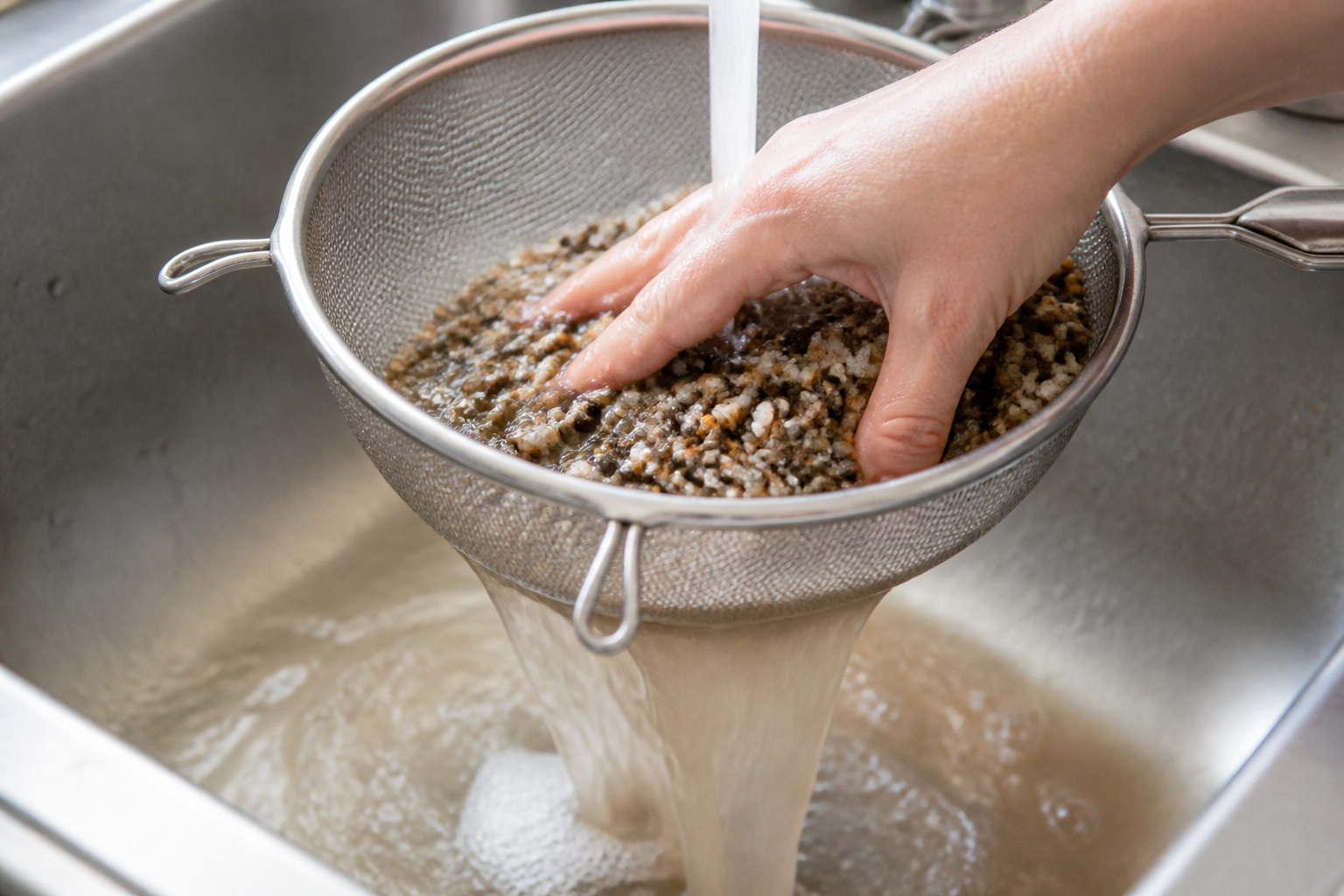
Rinse inert substrates well; never rinse aqua soil, which is meant to stay intact.
Matching substrate to your tank
For a simple community fish tank, gravel is the practical, forgiving choice. For a biotope or a corydoras tank, sand looks and functions beautifully. For a lush planted aquascape or a Caridina shrimp colony, aqua soil is worth the cost and upkeep. Neocaridina shrimp such as cherries are flexible and do fine on inert substrate with mineral supplementation.
Living context by region
This guide is written for multi-region English readers (US/UK/AU/NZ/CA/EU and more). Where climate, products, or vet access differ, prefer local veterinary advice and local product labels. Use metric first; keep °F/lb in mind for North American homes.
When to call your vet
-
Signs are getting worse over hours, not better
-
Pain, persistent vomiting/diarrhea, or neurological signs
-
You needed force or guesswork to keep going at home
Common mistakes
-
Waiting because the animal 'still looks okay' while prey species hide pain
-
Changing five variables at once so you cannot tell what helped
-
Copying drug doses from social media
-
Skipping species-appropriate husbandry while buying more gadgets
FAQ
Can I change substrate in an established tank?
How deep should the substrate be?
Does aqua soil last forever?
Is coloured or coated gravel safe?
My highlights & notes
This article is for general education and is not a substitute for professional veterinary advice. If your pet is unwell, please consult a veterinarian.
Worried about your pet?
Peqaboo’s AI helps you track symptoms, understand lab reports, and know when to see a vet.
Get the Peqaboo app