

Identify Your Algae: Green, Brown, Hair, and Black Beard
Algae is the number one frustration for aquarium keepers, but each type tells you something different about your tank. This guide helps you identify green, brown, hair and black beard algae, understand what each one is caused by, and choose the right fix instead of guessing.

Quick answer

Identify Your Algae: Green, Brown, Hair, and Black Beard
Algae type reveals the cause: brown diatoms mean a new, immature tank; green spot and green dust usually mean strong light; hair and thread algae point to excess nutrients or unstable CO2; and black beard algae signals fluctuating CO2 and low flow. Identify the type first, then fix the underlying imbalance rather than just scrubbing.
- Species
- fish, shrimp
- Category
- environment
- Risk level
- low
- Content focus
- practical owner decisions + mechanism
- When to escalate
- same-day if pain, not eating, breathing issues, or rapid decline
Decide in 60 seconds
| Situation | Do now |
|---|---|
| Mild / stable at home | Follow steps in this guide and monitor for 12–24 hours |
| Not eating, hiding, or clear pain | Same-day vet (species-savvy if exotic) |
| Breathing hard, collapse, continuous distress | Emergency vet now |
| You are unsure after reading | Call a clinic with your notes rather than waiting days |
Why algae appears
Algae is not a disease but a symptom of imbalance between light, nutrients and CO2. A little algae is normal and even healthy. It becomes a problem when one factor is out of proportion, most often too much light for the available CO2 and nutrient uptake by plants. Reading the type tells you which lever to adjust.

Brown algae (diatoms)
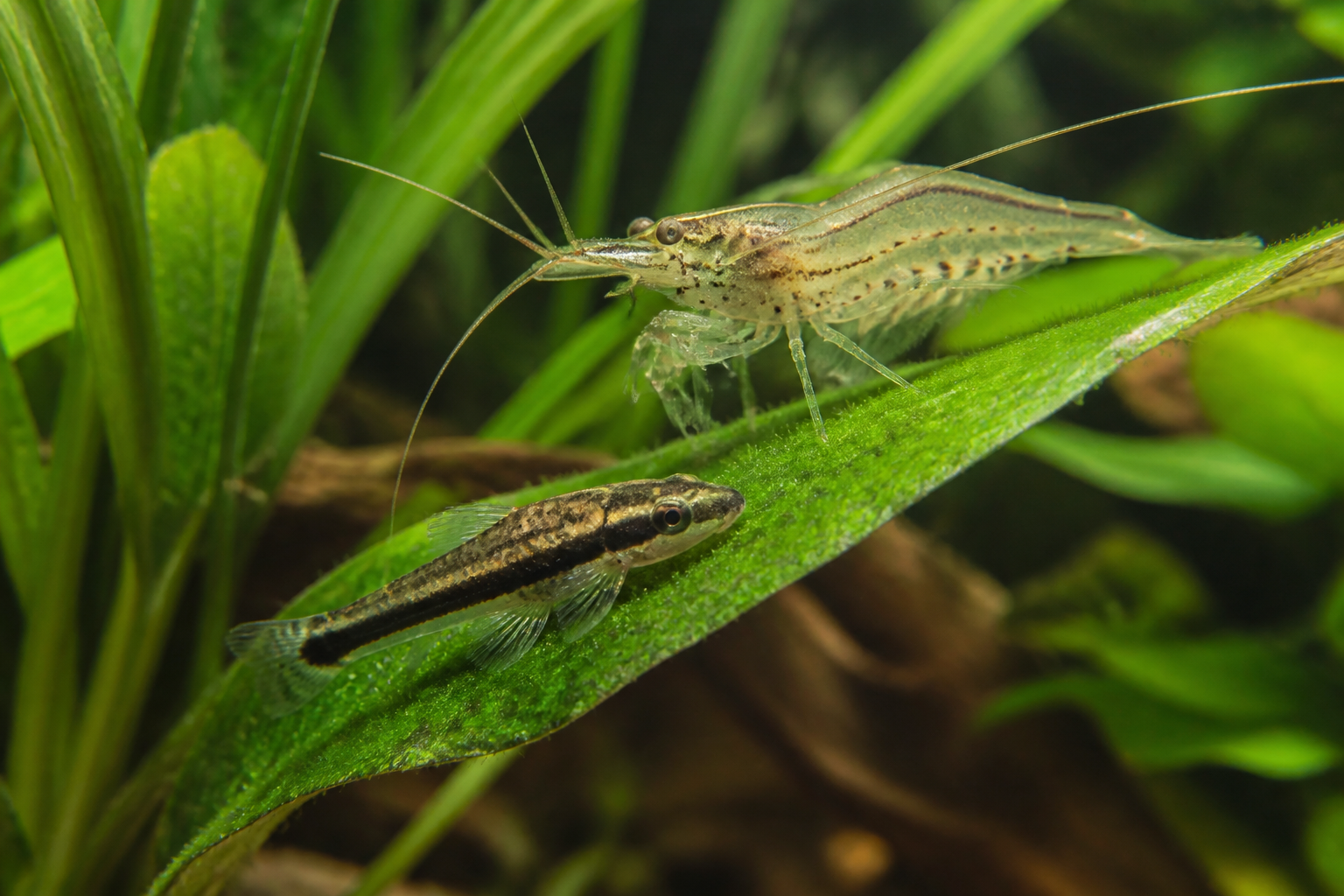
A soft brown dust coating glass, plants and decor is diatom algae, and it is the classic sign of a young, still-maturing tank. It thrives on silicates and unstable parameters that settle as the tank matures. It usually fades on its own within weeks, wipes off easily, and is readily eaten by otocinclus and nerite snails.
Each algae type has a distinct look that hints at its cause.
Green algae
Green algae comes in several forms. Green spot algae makes hard dots on glass and slow-growing leaves and points to strong light or low phosphate. Green dust algae films the glass and wipes off. Green water, a pea-soup cloudiness, is a free-floating bloom usually triggered by too much light or excess nutrients, and it clears with darkness or a UV clarifier.
Hair and thread algae
Soft green strands that grow in tufts or long threads on plants and hardscape are hair or thread algae, usually driven by excess nutrients, strong light or unstable CO2 in a planted tank. Manual removal by twirling it onto a toothbrush, plus tighter nutrient and light control, brings it under control. Amano shrimp graze it enthusiastically.
A well-chosen cleanup crew grazes many algae types before they spread.
Black beard algae
Dark, blackish-purple tufts that feel tough and cling stubbornly to leaf edges, wood and equipment are black beard algae. It thrives where CO2 fluctuates and flow is weak, often at the point where a filter outflow varies. Stabilise CO2, improve water circulation, and treat spot-affected hardscape outside the tank; Siamese algae eaters are among the few fish that eat it.
Living context by region
This guide is written for multi-region English readers (US/UK/AU/NZ/CA/EU and more). Where climate, products, or vet access differ, prefer local veterinary advice and local product labels. Use metric first; keep °F/lb in mind for North American homes.
When to call your vet
-
Signs are getting worse over hours, not better
-
Pain, persistent vomiting/diarrhea, or neurological signs
-
You needed force or guesswork to keep going at home
Common mistakes
-
Waiting because the animal 'still looks okay' while prey species hide pain
-
Changing five variables at once so you cannot tell what helped
-
Copying drug doses from social media
-
Skipping species-appropriate husbandry while buying more gadgets
FAQ
Is algae harmful to my fish or shrimp?
Will more fish or snails fix an algae problem?
Why does my brand-new tank have brown algae?
Does less light really reduce algae?
My highlights & notes
This article is for general education and is not a substitute for professional veterinary advice. If your pet is unwell, please consult a veterinarian.
Worried about your pet?
Peqaboo’s AI helps you track symptoms, understand lab reports, and know when to see a vet.
Get the Peqaboo app