

Pododermatitis in Rabbits
Også kjent som: Ulcerative Pododermatitis, Sore Hock
Kort fortalt
Pododermatitis, commonly known as sore hocks, is a painful inflammatory skin condition affecting a rabbit's hind feet. Often triggered by obesity, hard flooring, or thin foot fur, it ranges from mild redness to deep bone infections. Early veterinary intervention, environmental adjustments, and targeted antibiotics are crucial for successful recovery.
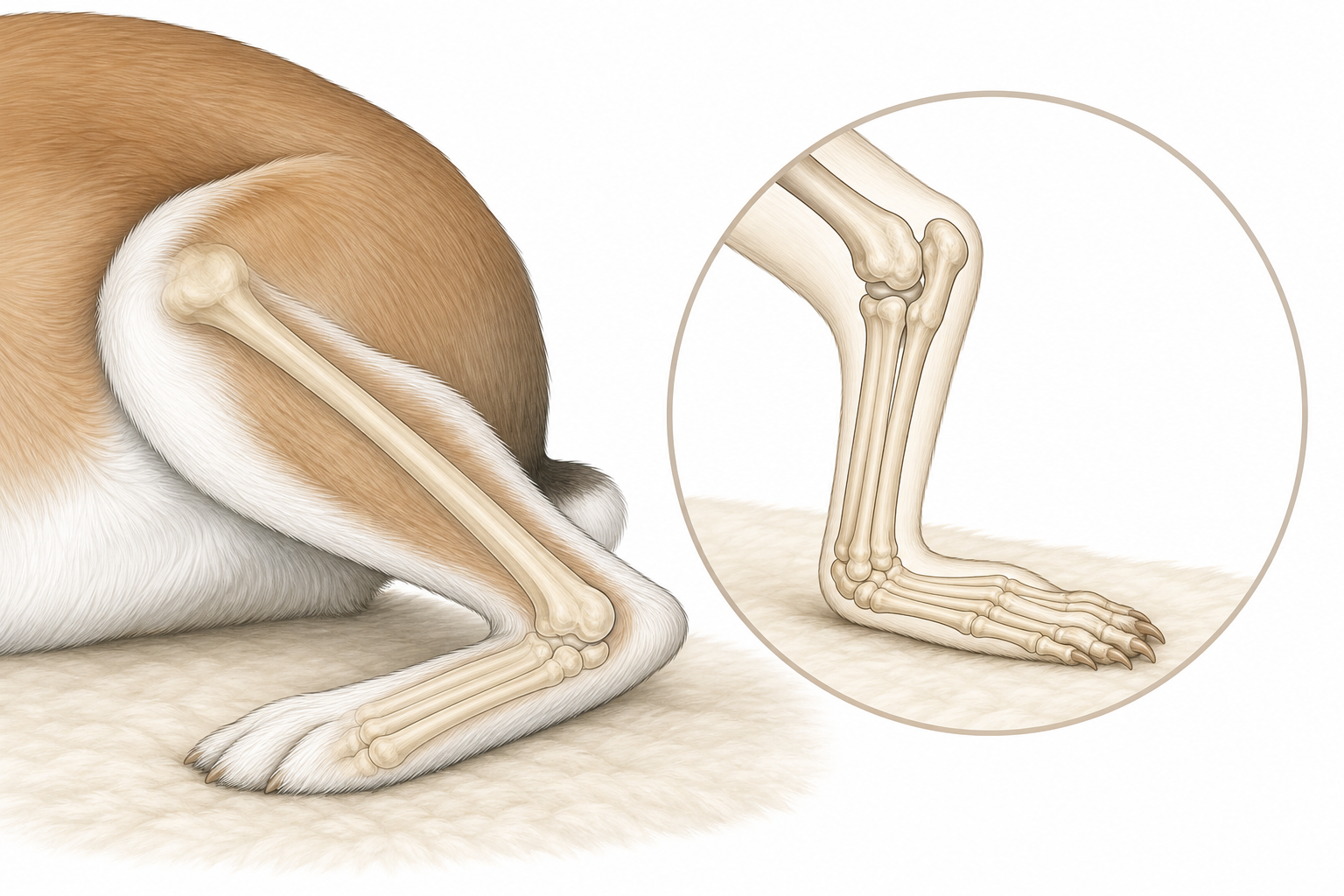
TL;DR. Pododermatitis, or "sore hocks," is a painful, progressive skin condition on the bottom of a rabbit's hind feet that requires environmental changes and veterinary care to prevent deep bone infections.
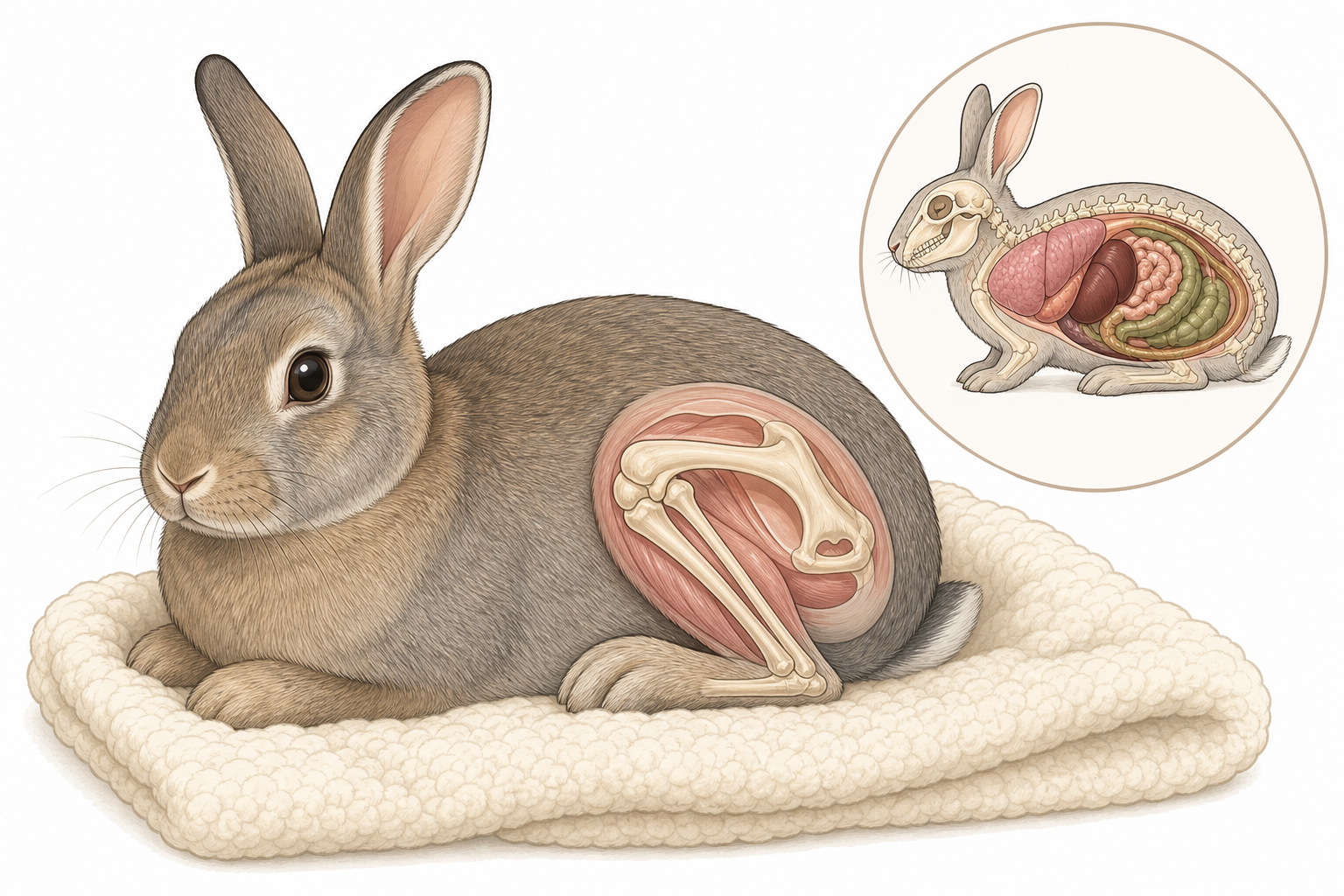
Providing soft, padded surfaces is one of the most effective ways to protect your rabbit's sensitive feet.
Hva er det?
Pododermatitis, commonly referred to as "sore hocks," is an inflammatory and ulcerative skin condition that affects the bottom surface of a rabbit's hind feet. Specifically, it targets the plantar surface of the proximal metatarsus, which is the heel-like joint of the rabbit's hind leg. Unlike dogs and cats, rabbits do not have fleshy footpads to cushion their steps. Instead, they rely entirely on a thick, coarse mat of fur on the soles of their feet to protect their skin and bones from the pressure of their body weight.
When this protective layer of fur is worn away, damaged, or compressed, the delicate skin beneath is exposed to direct friction and pressure. Over time, this pressure cuts off the local blood supply to the skin, leading to tissue damage, inflammation, and open sores. If these sores become contaminated with bacteria from the environment, a localized infection can set in, which can eventually spread to deeper tissues, tendons, and even the bones of the foot.
Because rabbits are prey animals, they are biologically programmed to hide signs of pain and illness. This means that pododermatitis often progresses significantly before an owner notices any outward signs of discomfort. Understanding the early warning signs and underlying causes of this condition is essential for maintaining your rabbit's health and quality of life.
Årsaker og risikofaktorer
Several environmental, physical, and genetic factors can contribute to the development of pododermatitis in rabbits. Often, it is a combination of these factors rather than a single cause that leads to the breakdown of the skin.
- Environmental Substrates: The type of flooring your rabbit lives on plays a massive role in foot health. Wire-bottomed cages are highly traumatic, as they concentrate the rabbit's weight onto narrow, hard metal bars, rapidly wearing away the protective fur. However, smooth, hard surfaces like hardwood, tile, or even rough, abrasive synthetic carpets can also cause friction damage over time.
- Obesity: Excess body weight puts disproportionate pressure on the metatarsal bones of the hind feet. This extra pressure compresses the skin and fur cushion against the floor, accelerating the breakdown of tissue and reducing blood flow to the area.
- Genetically Sparse Hair Cover: Some rabbits are genetically predisposed to having thinner, less dense...
Tegn å se etter
Pododermatitis is a progressive disease that starts mildly but can become severe and life-threatening if left untreated. Owners should regularly inspect the bottoms of their rabbit's hind feet for the following clinical signs:
- Alopecia (Common): Loss of fur on the bottom of the hind feet, particularly around the heel area. This is often the very first sign of trouble.
- Hyperemia (Common): Redness, irritation, and mild swelling of the exposed skin once the fur has worn away.
- Skin Erosions (Occasional): Small, open sores or raw spots on the skin where the upper layers of tissue have worn through.
- Scabs (Occasional): Crusty, dark scabs forming over the sores as the body attempts to heal the damaged skin.
- Skin Swelling (Occasional): Localized swelling around the affected area, indicating active inflammation or fluid buildup.
- Skin Infection (Occasional): The presence of pus, warmth, or a foul odor, indicating that bacteria have invaded the...

Early signs of pododermatitis include hair loss (alopecia) and redness (hyperemia) on the heel of the hind foot.
Hvordan veterinærer diagnostiserer
Your vet will begin with a thorough physical examination and direct visualization of your rabbit's feet. They will carefully assess the severity of the lesions, check for swelling, and evaluate your rabbit's overall body condition and mobility. Because rabbits hide pain, the vet will also look for subtle signs of discomfort, such as teeth grinding or a tense body posture.
If the pododermatitis has progressed beyond mild redness, your vet will likely recommend further diagnostic testing to determine the depth of the disease:
- Radiographs (X-rays): This is a critical step for moderate to severe cases. Radiographs allow the vet to see beneath the surface of the skin and determine if the infection has penetrated the deeper structures of the foot. Specifically, they will look for signs of joint infection or osteomyelitis (bone infection), which drastically alters the treatment plan...
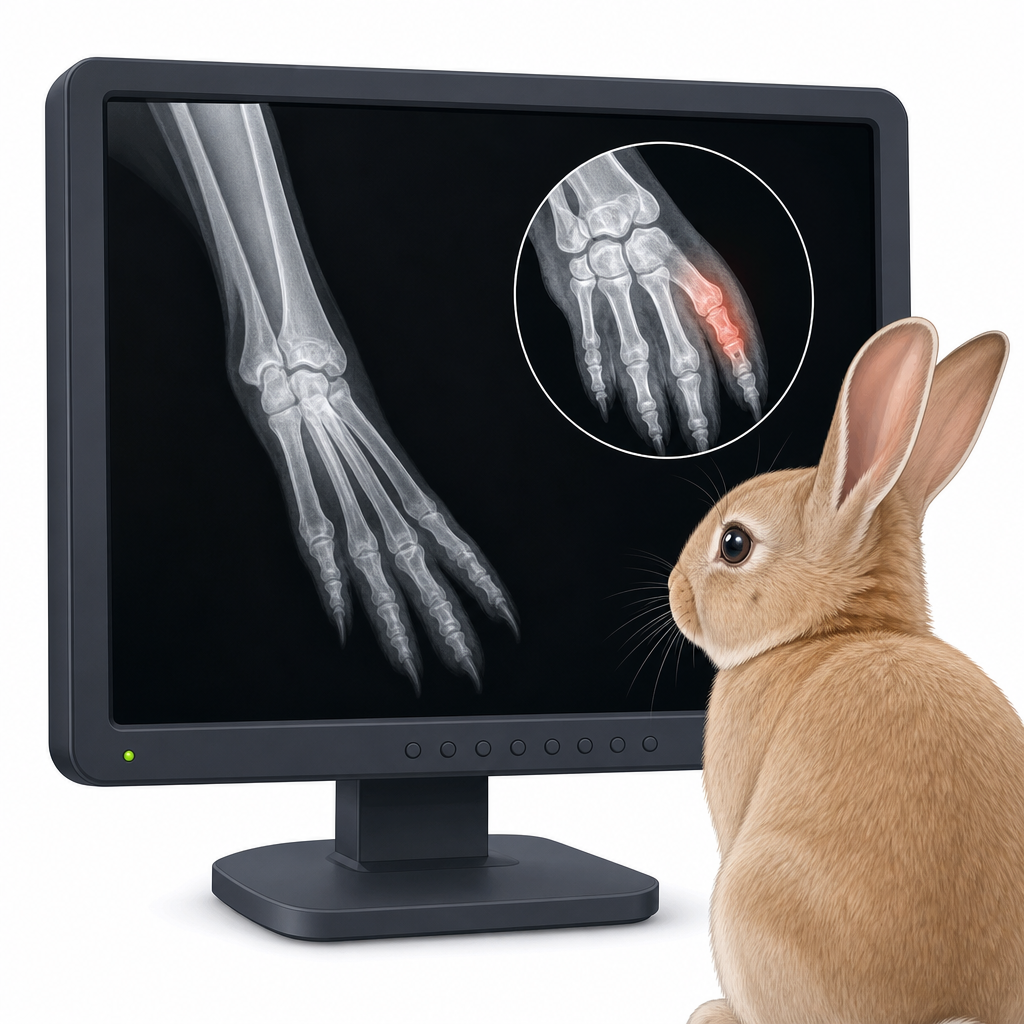
X-rays are essential in advanced cases to determine if the infection has spread to the bones of the foot.
Behandlingsalternativer
Treating pododermatitis requires a multi-faceted approach. Simply applying ointment or giving medication will not work if the underlying environmental causes are not corrected.
Environmental and Lifestyle Modifications
The first step in treatment is relieving the pressure on your rabbit's feet. You must replace hard or abrasive flooring with thick, soft, and dry substrates. Excellent options include thick layers of paper-based bedding, straw, or multiple layers of soft fleece blankets over foam padding. Wire floors must be removed immediately. If your rabbit is overweight, your vet will help you design a safe, high-fiber weight loss plan to reduce the physical load on their feet.
Antibiotic Therapy
If a bacterial infection is present, targeted antibiotic therapy is necessary. The choice of antibiotic depends heavily on the results of the bacterial culture, as different drugs target different types of bacteria:
- Enrofloxacin: This is a fluoroquinolone antibiotic that is highly valued in rabbit medicine. It is generally safe for the...
Prognose
The prognosis for rabbits with pododermatitis depends heavily on how early the condition is diagnosed and treated:
- Mild Cases: The prognosis is generally good if the condition is caught early when there is only mild hair loss and redness. With immediate environmental improvements, weight management, and basic care, the skin can heal completely.
- Moderate Cases: The prognosis is guarded. Once deep ulcers, scabs, and localized skin infections develop, treatment becomes much more difficult, expensive, and prolonged. While many rabbits can recover, they may require...
Forebygging
Preventing pododermatitis is far easier than treating it. By implementing a few key husbandry practices, you can protect your rabbit's feet from damage:
- Provide Soft, Dry Flooring: Ensure your rabbit's living area is lined with soft, non-abrasive materials. Avoid wire cages entirely. If your rabbit has free roam of the house, provide plenty of soft rugs or fleece mats over hard floors.
- Maintain Strict Hygiene: Clean your rabbit's litter box and enclosure daily. Wet bedding or urine-soaked areas must be removed promptly to prevent the skin on their feet from softening and...
Når ringe veterinæren
You should schedule a veterinary appointment if you notice any hair loss, redness, or small scabs on your rabbit's hind feet, even if they seem to be moving normally.
Seek immediate emergency veterinary care if your rabbit exhibits any of the following signs:
- They stop eating or produce significantly fewer or smaller fecal pellets (signs of life-threatening gastrointestinal stasis).
- They are completely reluctant to move, limp, or hold a foot off the ground.
- **They are...
Kilder
- Small Animal Dermatology: A Color Atlas and Therapeutic Guide, pages 506, 508.
My highlights & notes
Tegn og symptomer
Hvordan det diagnostiseres
- Aerobic and anaerobic culture
- Direct visualization
- Radiograph
Behandlingsmetoder
Behandling må foreskrives av autorisert veterinær. Spesifikke doser vises bevisst ikke.
Vanlige spørsmål
What is Pododermatitis in Rabbits?
Pododermatitis, commonly known as sore hocks, is a painful inflammatory skin condition affecting a rabbit's hind feet. Often triggered by obesity, hard flooring, or thin foot fur, it ranges from mild redness to deep bone infections. Early veterinary intervention, environmental adjustments, and targeted antibiotics are crucial for successful recovery.
What are the symptoms of Pododermatitis in Rabbits?
Hair loss、Hyperemia、Proliferative tissue、Scabs、Skin erosions、skin infection、skin swelling、Osteomyelitis
How is Pododermatitis in Rabbits diagnosed?
Aerobic and anaerobic culture、Direct visualization、Radiograph
How is Pododermatitis in Rabbits treated?
Behandling må foreskrives av autorisert veterinær. Spesifikke doser vises bevisst ikke.
Kilder
- 皮膚病 教科書點子書 Small-Animal-Dermatology-A-Color-Atlas-and-Therapeutic-Guide · p. 508
- 皮膚病 教科書點子書 Small-Animal-Dermatology-A-Color-Atlas-and-Therapeutic-Guide · p. 506
- 皮膚病 教科書點子書 Small-Animal-Dermatology-A-Color-Atlas-and-Therapeutic-Guide · p. 508
Artikkelen er generell opplæring og erstatter ikke veterinærråd. Hvis dyret er sykt, kontakt veterinær.
Bekymret for dyret ditt?
Peqaboos AI hjelper deg følge symptomer, forstå labresultater og vite når du bør se veterinær.
Last ned Peqaboo-appen