

Fish Breeding Basics: Triggering Spawns and Raising Fry
Breeding aquarium fish starts long before spawning: healthy conditioned adults, the right triggers, and a plan to protect eggs and feed fry. This guide walks you through choosing a species, conditioning your fish, encouraging a spawn, and raising fry through their fragile first few weeks.

Quick answer
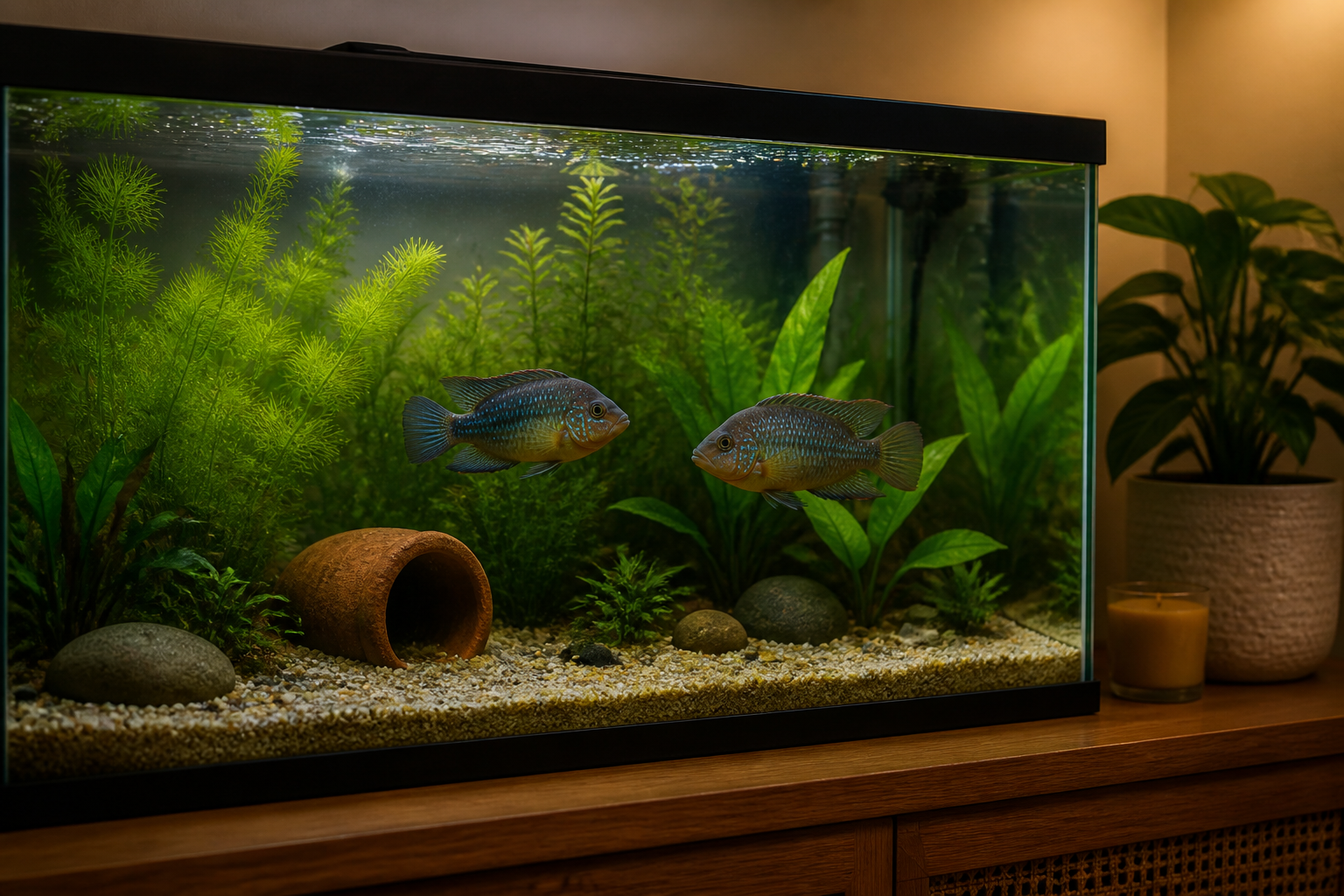
Fish Breeding Basics: Triggering Spawns and Raising Fry
Most aquarium fish breed when they are well-fed, healthy, and given the water conditions and spaces their species needs. Success is less about tricks and more about conditioning a strong pair, triggering the spawn with clean water and the right cues, then protecting eggs and feeding tiny fry the right foods. Start with an easy species before attempting difficult ones.
- Species
- fish
- Category
- life_stage
- Risk level
- medium
- Content focus
- practical owner decisions + mechanism
- When to escalate
- same-day if pain, not eating, breathing issues, or rapid decline
Decide in 60 seconds
| Situation | Do now |
|---|---|
| Mild / stable at home | Follow steps in this guide and monitor for 12–24 hours |
| Not eating, hiding, or clear pain | Same-day vet (species-savvy if exotic) |
| Breathing hard, collapse, continuous distress | Emergency vet now |
| You are unsure after reading | Call a clinic with your notes rather than waiting days |
Start with the right species
If this is your first attempt, choose forgiving beginners. Livebearers like guppies, platies and mollies give birth to free-swimming young and breed readily. Egg-layers such as zebra danios, white cloud minnows and many Corydoras are also beginner-friendly. Avoid species with complex triggers, specialised diets, or fry that need marine rotifers until you have a spawn or two behind you.
Condition your adults
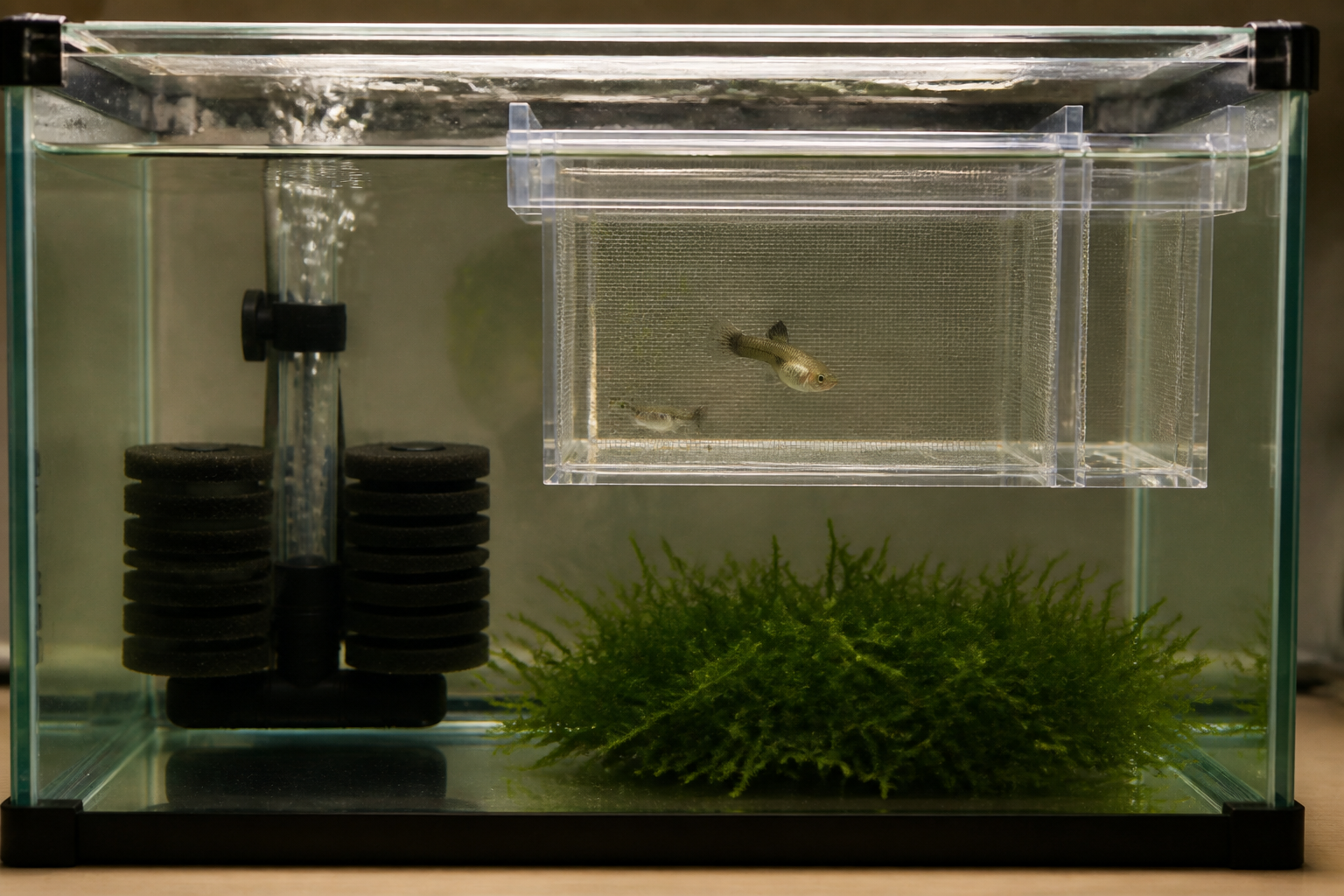
Conditioning means bringing adults into peak breeding shape. Feed a varied, protein-rich diet two to three times daily for one to two weeks: a mix of quality flakes or pellets plus live or frozen foods like brine shrimp, daphnia or bloodworm. Keep water pristine with regular changes. Females should fill out with eggs; males often intensify in colour and display. Many keepers separate the sexes during conditioning, then reintroduce them to spark spawning.
A simple, easy-to-clean breeding tank gives eggs and fry the best odds.
Trigger the spawn
Once adults are conditioned, mimic the natural cues that tell them it is safe to breed. Common triggers include a partial water change with slightly cooler water (imitating rain), a gradual temperature nudge within the species range, more feeding, and softer or specific-pH water for some species. Provide the right spawning site: fine-leaved plants or spawning mops for scatterers, flat stones or caves for cichlids, and a mesh or marbles to protect eggs from being eaten.
Protect the eggs
Many fish show no parental care and will eat eggs within minutes. Options: move the parents out after spawning, move the eggs or spawning mop to a separate hatching container, or use a barrier the eggs fall through but adults cannot reach. Keep gentle water movement over the eggs to prevent fungus, and remove any white, fungused eggs promptly so mould does not spread to healthy ones.
Feed and raise the fry
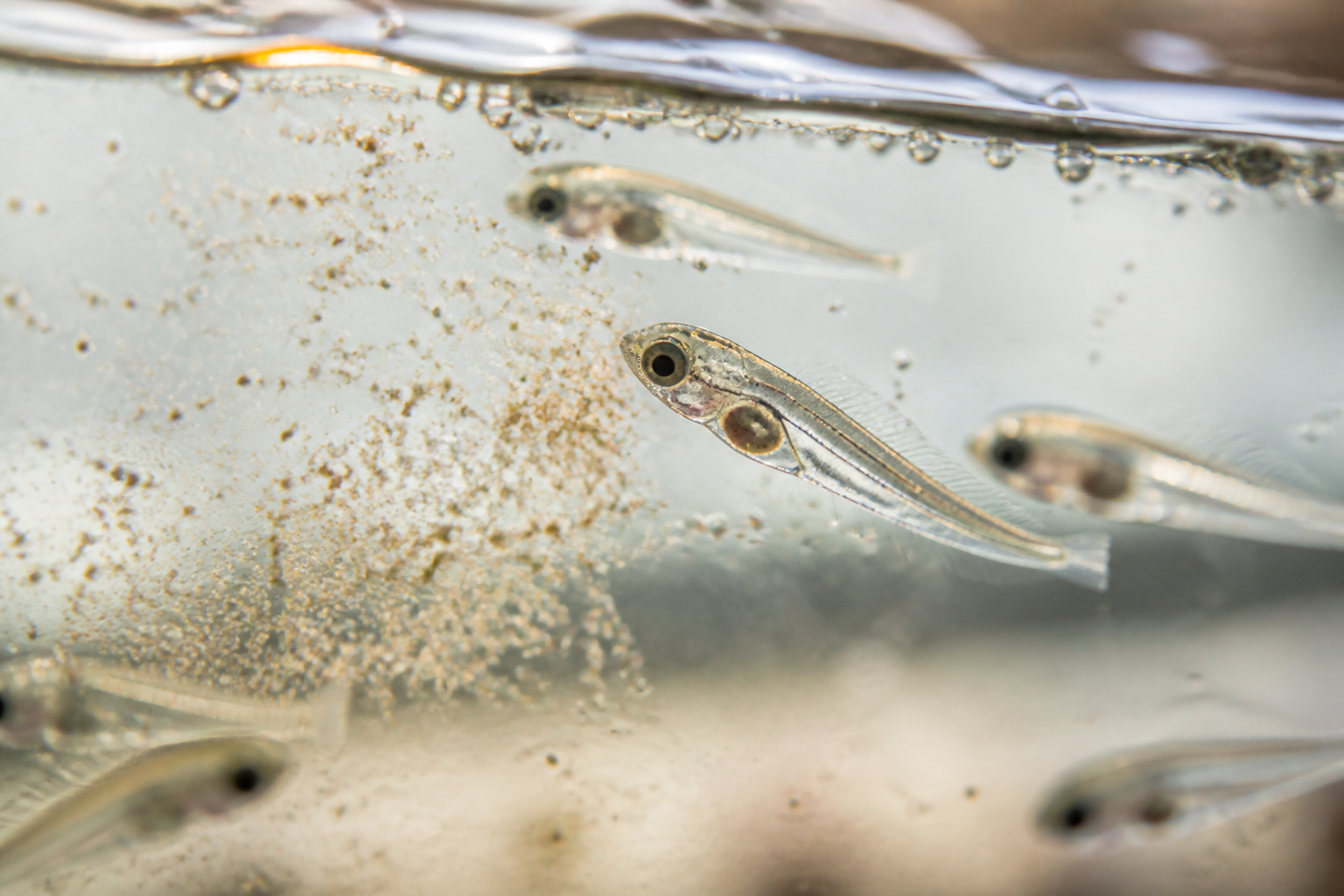
Newly free-swimming fry need food small enough to fit their mouths.
Most fry are far too small for standard food. Common first foods include infusoria and commercial liquid fry food for the tiniest mouths, then baby brine shrimp and powdered fry food as they grow. Feed small amounts several times a day, and siphon leftovers to keep water clean. Do frequent small water changes with dechlorinated water matched in temperature. As fry grow, sort them by size to stop larger siblings bullying or eating smaller ones.
Living context by region
This guide is written for multi-region English readers (US/UK/AU/NZ/CA/EU and more). Where climate, products, or vet access differ, prefer local veterinary advice and local product labels. Use metric first; keep °F/lb in mind for North American homes.
When to call your vet
-
Signs are getting worse over hours, not better
-
Pain, persistent vomiting/diarrhea, or neurological signs
-
You needed force or guesswork to keep going at home
Common mistakes
-
Waiting because the animal 'still looks okay' while prey species hide pain
-
Changing five variables at once so you cannot tell what helped
-
Copying drug doses from social media
-
Skipping species-appropriate husbandry while buying more gadgets
FAQ
How long until fish eggs hatch?
Do I need a separate breeding tank?
Why did my fish eat their own eggs?
Can different species interbreed?
My highlights & notes
This article is for general education and is not a substitute for professional veterinary advice. If your pet is unwell, please consult a veterinarian.
Worried about your pet?
Peqaboo’s AI helps you track symptoms, understand lab reports, and know when to see a vet.
Get the Peqaboo app