

Pyramiding
Also known as: Pyramidal growth syndrome, Shell pyramiding, Abnormal scute growth
In short
Pyramiding is a common shell deformity in captive turtles and tortoises where the shell scutes grow abnormally upward into pyramid-like peaks. While existing shell damage is permanent, correcting diet, humidity, and lighting can halt its progression and ensure your pet lives a comfortable life.
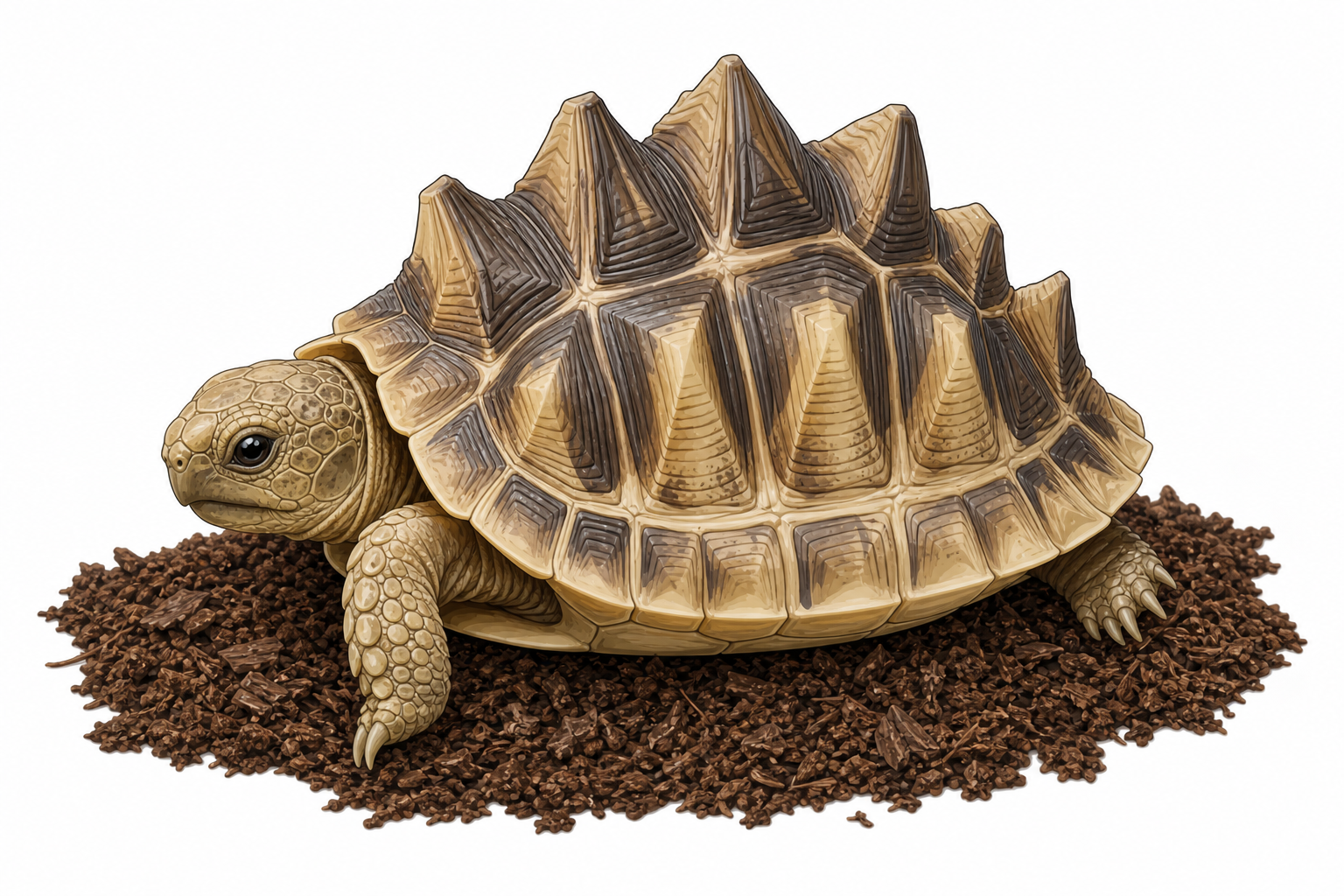
TL;DR. Pyramiding is a permanent shell deformity in captive turtles and tortoises caused by improper husbandry, but it can be halted with correct diet, humidity, and lighting.
Pyramiding causes the individual scutes of a tortoise's shell to grow vertically into distinct peaks.
What is it?
Pyramiding, also known as pyramidal growth syndrome or abnormal scute growth, is a common musculoskeletal and integumentary deformity seen in captive turtles and tortoises. In a healthy reptile, the carapace (the upper shell) grows relatively smooth and flat. The shell is not just a fingernail-like covering; it is a living, growing extension of the animal's skeleton, composed of fused ribs and vertebrae covered by keratinized plates called scutes.
When a turtle or tortoise develops pyramiding, the individual scutes grow abnormally upward in a vertical direction, forming distinct, pyramid-like peaks. This alters the natural dome shape of the shell, creating an uneven, bumpy appearance. While some owners mistakenly believe this is a normal growth pattern or a cosmetic variation, it is actually a physical manifestation of underlying metabolic stress and developmental issues.
Because turtles and tortoises are exotic species with highly specialized physiological needs, much of our clinical understanding of this condition comes from reptile-specific veterinary medicine and extrapolation from wild reptile physiology. In the wild, pyramiding is virtually non-existent, which highlights that this condition is almost exclusively a disease of captivity. Understanding why it happens is the first step in protecting your pet's long-term health.

A turtle's shell is a living structure made of bone covered by a protective layer of keratin.
Causes & risk factors
Pyramiding is a multi-factorial disease, meaning it is rarely caused by a single mistake. Instead, it is typically the result of several overlapping husbandry deficiencies. The primary triggers include:
- Low Environmental Humidity: Historically, veterinarians believed diet was the sole cause of pyramiding. However, modern research indicates that low environmental humidity is one of the most critical factors, especially for hatchlings and young, growing tortoises. Dry air causes the outer layers of the scutes to dehydrate and lose flexibility, forcing the growing tissue underneath to push upward rather than outward.
- High-Protein Diets: Feeding herbivorous tortoises diets rich in animal protein or high-protein plant matter (like commercial dog food, cat food, or excessive legumes) causes rapid, unnatural growth spurts. The skeletal structure cannot keep pace with this rapid growth, resulting in shell deformities.
- Calcium and Phosphorus Imbalance: A healthy shell requires a precise ratio of calcium to phosphorus (ideally 2:1). If the diet is too high in phosphorus or too low in calcium, the body cannot build strong bone tissue, leading to weak, deformed shells.
- Inadequate UVB Lighting: Turtles and tortoises require ultraviolet B (UVB) light to synthesize Vitamin D3 in their skin. Vitamin D3 is essential for the absorption of dietary calcium. Without adequate UVB exposure, even a calcium-rich diet cannot prevent metabolic bone disease and shell deformities.
- Lack of Exercise and Overfeeding: Captive reptiles that are overfed and kept in small enclosures grow too quickly without the muscle development needed to support their skeletal structure.
There are no specific breed predispositions recorded for this condition, as it can affect any turtle or tortoise species. However, species native to humid environments or those that burrow into humid microclimates in the wild (such as Red-footed tortoises or young Sulcata tortoises) are highly susceptible when kept in dry, indoor enclosures.
Signs to watch for
As an owner, you should regularly inspect your reptile's shell. The signs of pyramiding range from subtle changes in texture to severe structural distortions.
- Abnormal vertical growth of carapace scutes (Cardinal): The individual plates on the upper shell rise upward into distinct, pointed pyramids instead of lying flat against one another.
- Deformed carapace (Common): The overall contour of the shell becomes uneven, warped, or abnormally high-domed.
- Soft or pliable shell (Occasional): The shell feels spongy, soft, or yields slightly when gentle pressure is applied.
While mild pyramiding is not an immediate emergency, a soft or pliable shell in an adult turtle or tortoise is a red-flag emergency. A soft shell indicates advanced metabolic bone disease, meaning the animal's body is actively pulling calcium from its bones and shell to maintain basic organ function. This requires immediate veterinary intervention.
How vets diagnose it
Your vet will begin with a thorough physical examination. This is the gold standard for diagnosing pyramiding. The vet will palpate the shell to assess its hardness, check the alignment of the spine and limbs, and evaluate the animal's overall body condition and muscle tone. They will also ask detailed questions about your husbandry setup, including temperature gradients, humidity levels, diet, and the age and type of your UVB lighting.
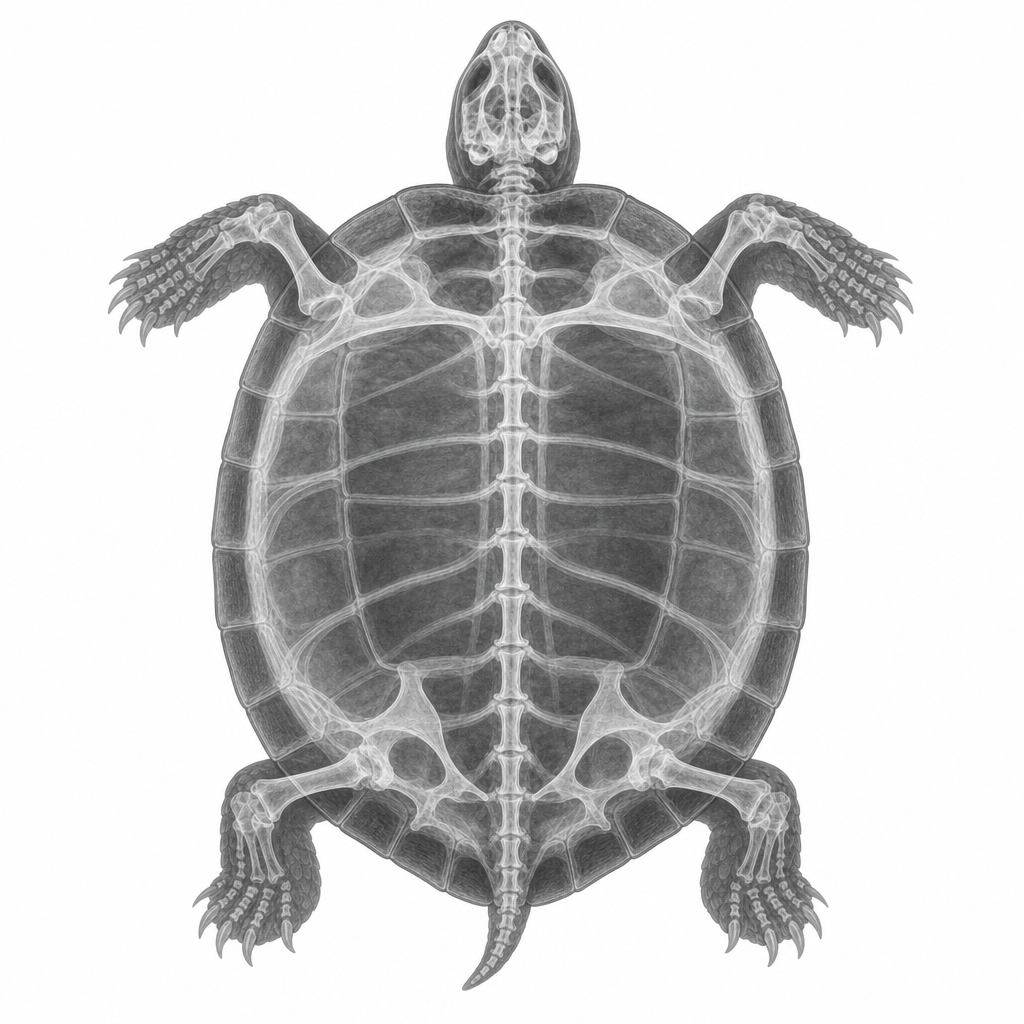
Radiographs allow veterinarians to evaluate bone density and check for underlying metabolic bone disease.
To assess the internal severity of the condition, your vet may recommend radiography (X-rays). Radiographs allow the veterinarian to look beneath the keratin scutes to evaluate the density of the underlying bone. This test is crucial for determining if the pyramiding is accompanied by systemic metabolic bone disease, spinal curvature, or internal structural compromises, such as egg-binding in female reptiles.
Treatment options
It is vital to understand that existing shell deformities are permanent and cannot be reversed. Once the bone and keratin have grown into a pyramidal shape, they cannot be flattened. However, treatment is highly effective at halting the progression of the disease and preventing further deformity.
Veterinary Medical Therapies
If your vet diagnoses concurrent metabolic bone disease or a severe nutritional imbalance alongside the pyramiding, they may prescribe medical therapies to stabilize your pet's calcium levels:
- Phosphate Binders and Intestinal Adsorbents: Your vet may prescribe a combination of Chitosan and Calcium Carbonate. Calcium carbonate acts as a dietary phosphorus binder in the gut, preventing the absorption of excess phosphorus and helping to restore a healthy calcium-to-phosphorus ratio. Chitosan assists by binding lipids and supporting overall metabolic balance.
- Vitamin D Analogs: If your pet has a severe calcium deficiency due to a lack of UVB light, your vet may administer or prescribe Ergocalciferol (Vitamin D Analog) to jumpstart the body's ability to absorb calcium from the intestines.
Husbandry Corrections
Medical treatments are useless without correcting the underlying environmental issues. Your vet will guide you through essential lifestyle adjustments:
- Increase Humidity: Ensure your reptile has access to a humid microclimate. This can be achieved by misting the enclosure, using a moisture-retaining substrate (like coconut coir or cypress mulch), or providing a humid hide box.
- Dietary Overhaul: Transition your pet to a species-appropriate, high-fiber, low-protein diet. For most tortoises, this means a diet consisting primarily of grasses, weeds, and leafy greens, supplemented with a reptile-safe calcium powder.
- Upgrade Lighting: Install a high-quality, reptile-specific UVB bulb and replace it every 6 to 12 months, as UVB output declines long before the bulb stops producing visible light.
Prognosis
Because long-term prognosis data in these species is limited to clinical observation, we rely on standard exotic veterinary medicine to guide expectations. The prognosis for turtles and tortoises with pyramiding is generally good to excellent, provided that husbandry corrections are made promptly.
While the physical bumps on the shell will remain for the rest of the animal's life, a tortoise with mild to moderate pyramiding can live a normal, pain-free lifespan. In very severe cases where the shell deformity has compromised lung capacity or leg mobility, lifelong management and environmental modifications may be required to ensure a good quality of life.
Prevention
Pyramiding is entirely preventable through proper care from the moment you bring your turtle or tortoise home:
- Research Your Species: Understand the exact humidity, temperature, and dietary needs of your specific reptile species.
- Monitor Humidity: Use a digital hygrometer to ensure the enclosure's humidity remains within the target range, especially during the first few years of the reptile's life.
- Provide UVB and Sunlight: Ensure your pet receives adequate UVB exposure daily, and offer safe, supervised outdoor time in natural sunlight whenever weather permits.
- Avoid Overfeeding: Feed a balanced diet and avoid the temptation to overfeed to encourage rapid growth. Slow, steady growth is the key to a smooth, healthy shell.
When to call your vet
Schedule an appointment with your reptile veterinarian if you notice any new raising of the shell scutes or if you suspect your husbandry setup needs optimization.
You must seek immediate veterinary care if your turtle or tortoise has a shell that feels soft or flexible, if they are lethargic, if they stop eating, or if they are unable to lift their body off the ground to walk. These are signs of severe metabolic compromise that require urgent medical attention.
Sources
Guidance in this article is based on standard-of-care veterinary knowledge for exotic reptile medicine and husbandry protocols for captive chelonians.
My highlights & notes
Signs & symptoms
How it is diagnosed
- Physical examinationGold standard
- Radiography
Treatment approaches
Treatment must be prescribed by a licensed veterinarian based on your pet. Specific drug doses are intentionally not shown here.
Frequently asked questions
What is Pyramiding?
Pyramiding is a common shell deformity in captive turtles and tortoises where the shell scutes grow abnormally upward into pyramid-like peaks. While existing shell damage is permanent, correcting diet, humidity, and lighting can halt its progression and ensure your pet lives a comfortable life.
What are the symptoms of Pyramiding?
Abnormal vertical growth of carapace scutes、Deformed carapace、Soft or pliable shell
How is Pyramiding diagnosed?
Physical examination、Radiography
How is Pyramiding treated?
Treatment must be prescribed by a licensed veterinarian based on your pet. Specific drug doses are intentionally not shown here.
This article is for general education and is not a substitute for professional veterinary advice. If your pet is unwell, please consult a veterinarian.
Worried about your pet?
Peqaboo’s AI helps you track symptoms, understand lab reports, and know when to see a vet.
Get the Peqaboo app