

インコ・オウムの最初の一年:環境づくり、成長の節目、そして必要な予算
インコやオウムを迎える最初の一年は、飼育設備の準備、動物病院での受診、そして生涯の習慣づくりが集中的に行われる重要な時期です。本稿では、準備の順序、定期的に発生するケア、そして多くの飼い主が見落としがちな費用について解説します。
ライフステージガイド
静かな環境への順応、ケージの配置、餌の切り替え、そして信頼づくり。

インコやオウムを迎える最初の一年は、飼育設備の準備、動物病院での受診、そして生涯の習慣づくりが集中的に行われる重要な時期です。本稿では、準備の順序、定期的に発生するケア、そして多くの飼い主が見落としがちな費用について解説します。

デスクは家の中で最も危険な場所の一つであり、常に飼い主がそばにいる環境は、鳥に過度な要求を教え込んでしまいます。本ガイドでは、部屋のレイアウト、ケーブルや飲み物の安全対策、フォアジング(採餌行動)と短いトレーニングを取り入れた日課の構築、そして会議中の鳴き声を軽減する方法について解説します。

新しい鳥との最初の3日間は、絆を深めることではなく、食事、脱走防止、そして鳥が健康かどうかの確認が目的です。このガイドでは、到着前の準備、到着時の移動、フンの観察、既存の鳥との隔離、そして最初の1週間の動物病院での診察について説明します。

薬による治療コースが失敗する理由は2つあります。鳥が適切な用量を受け取れないこと、あるいは保定によって信頼関係が壊れてしまうことです。本ガイドでは、水やフードへの薬の混入で正確な用量を投与するのが難しい理由、誤嚥を防ぐ嘴の角を使ったテクニック、胸部を圧迫しない保定方法、ケージや「ステップアップ」の合図を守る方法、次回に向けた協力的なシリンジトレーニング、そしてアプローチが変わる鳥種ごとの違いについて解説します。

鳥の成長期に見られる突然の噛みつき、縄張り主張、吐き戻し、巣穴探しなどは、反抗期ではなく発情行動です。本ガイドでは、発情を誘発する要因、光・食事・巣の環境・スキンシップの改善による抑制方法、メスの産卵に伴うリスク、そして病気とホルモン行動を見分けるサインについて獣医学的観点から解説します。

作業部屋で飼い主と一緒に過ごすオウムは、常に誰かがいる状態に慣れると同時に、飼い主の作業を中断する機会を常に見つけようとします。どちらもオウムの行動を変えてしまいます。本ガイドでは、常時一緒にいることで鳥の行動基準がリセットされ、絆が強まりすぎる理由、仕事中の電話がなぜ極めて強力な「強化スケジュール」を作り出すのか、そして適切なステーションの設置、採餌のための課題設定、意図的な「不在の練習」について解説します。また、熱い飲み物のカップやケーブル、コーティングされた家電、プリンター、噛める金属など、デスク周りの危険性を、実際に害を及ぼす頻度順にリストアップしています。

猫の唾液は鳥にとって急速に命に関わるものであり、犬は噛みつかなくても鳥を死に至らしめることがあります。監視ではなくドアによる家のゾーニング方法、安全なケージの設置状態、そして猫との接触がなぜ即日対応が必要な緊急事態なのかを学びましょう。

インコの社会化期は、愛着というよりも新しいものへの許容度に関わっています。幼鳥は新しい人、物、食べ物に近づきますが、成鳥はそれらを避けます。本ガイドでは、社会化期が終了する理由、重要な4つのカリキュラム、年齢や品種ごとの対処法、そして社会化期が既に過ぎてしまった場合の再構築方法について解説します。

鳥の新たな個体をお迎えする際、最も危険なのは導入時ではなく、最初の6週間です。本ガイドでは、なぜ羽粉が別室の検疫をすり抜けてしまうのか、どのような病気が無症状のキャリアとして存在するのか、獣医師に依頼すべき具体的な検査項目、そして早期に異変を察知するための日々の健康観察について解説します。

若い鳥は新しいものをほとんど抵抗なく受け入れますが、やがてそれを受け入れなくなります。本ガイドでは、社会化期が閉じる理由、その期間中に鳥が学ぶべき5つの個別の事柄、巣立ちや離乳が実際に教えること、無理な露呈が恐怖症の鳥を生む理由、そして成鳥の再社会化の違いについて解説します。

引っ越しは飼い鳥の生涯において最もリスクの高いイベントの一つです。開いたドアからの脱走や、ストレスによる急激な食欲低下に注意が必要です。梱包、移動、新居への定着までのステップと、獣医師に連絡すべき危険信号を解説します。

ステップアップはペットの鳥が一生を送る上で基盤となる行動であり、鳥自身が自ら進んで行う時に最も効果を発揮します。鳥が準備できているかの判断方法、信頼関係の築き方、そして無理強いではなくターゲットスティックと報酬を使って確実なステップアップを形作る方法を学びましょう。

完全に鳥の脱走を防げる庭は存在しません。脱走を防ぐには、屋内ではドアや窓の管理を徹底し、屋外ではキャリーや専用の鳥小屋を使用する必要があります。羽を切った鳥でもなぜ飛んでいってしまうのか、部屋の安全確保の方法、そして脱走してしまった最初の数分間にすべきことを学びましょう。

鳥をリードでドアから連れ出すことはありません。重要なのはケージのドアです。なぜケージのドアでの噛みつきが縄張り意識によるものなのか、信頼できるステップアップの教え方、そしてドアを開ける前に部屋を安全にする方法を学びましょう。

インコのグルーミングは、爪の先を整えること、水浴び、そして本来ならカットの必要がないくちばしのチェックといった短いリストで構成されます。羽をブラッシングしたり、自宅でくちばしを削ったりしてはいけません。折れた血の通った羽(血羽)は緊急事態です。

新しく家に来たインコは、動かずにじっとしていたり、落ち着いているように見えたりします。しかし、これは捕食される側の動物が不慣れな場所で見せる「体調不良を隠す」という習性です。そのため、最初の3日間は、スキンシップよりも測定が重要になります。本ガイドでは、体重のベースライン測定、ケージだけでなく空気も分ける隔離方法、食事を変えてはいけない理由、糞の3つの成分の読み方、そして新入りの鳥が怯えているだけなのか体調を崩しているのかを見分けるサインについて解説します。

Discover why traditional bird cages and mirrors harm your pet bird's mental health. Learn how to provide essential enrichment, foraging, and social bonding for budgies and cockatiels.

Protect your pet bird from hidden household dangers. This comprehensive, room-by-room safety audit covers the extreme risks of Teflon (PTFE), air fresheners, and avocados, providing actionable steps to keep your parrot's environment safe.

Parrotlets are the smallest parrots but carry a fearless, feisty personality. They do best kept singly and handled daily, or they turn nippy and cage-territorial. This guide covers housing, a pellet-and-veg diet, taming, the one-or-two question and the health signs that mean see an avian vet.

Lovebirds pack huge personality into a tiny body and, contrary to the name, a single bird thrives with daily human attention. This guide covers cage setup, a pellet-and-veg diet, taming and biting, the one-or-two question, and the health signs that mean see an avian vet.

フィンチは群れで生活する活動的な小鳥であり、手乗りよりも群れでの交流を好みます。ペアやグループで広々としたケージに入れ、バランスの取れた食事、清潔な水、静かな夜の環境を提供すれば、丈夫で飼い主を楽しませてくれる存在になります。本ガイドでは、飼育環境、食事、社会的なニーズ、健康チェックのポイントを解説します。

Conures are playful, cuddly clowns that bond hard with their families, but they are loud and can live up to 30 years. This guide covers cage setup, a pellet-and-veg diet, managing screaming, enrichment, healthy bonding and the health signs that mean see an avian vet.

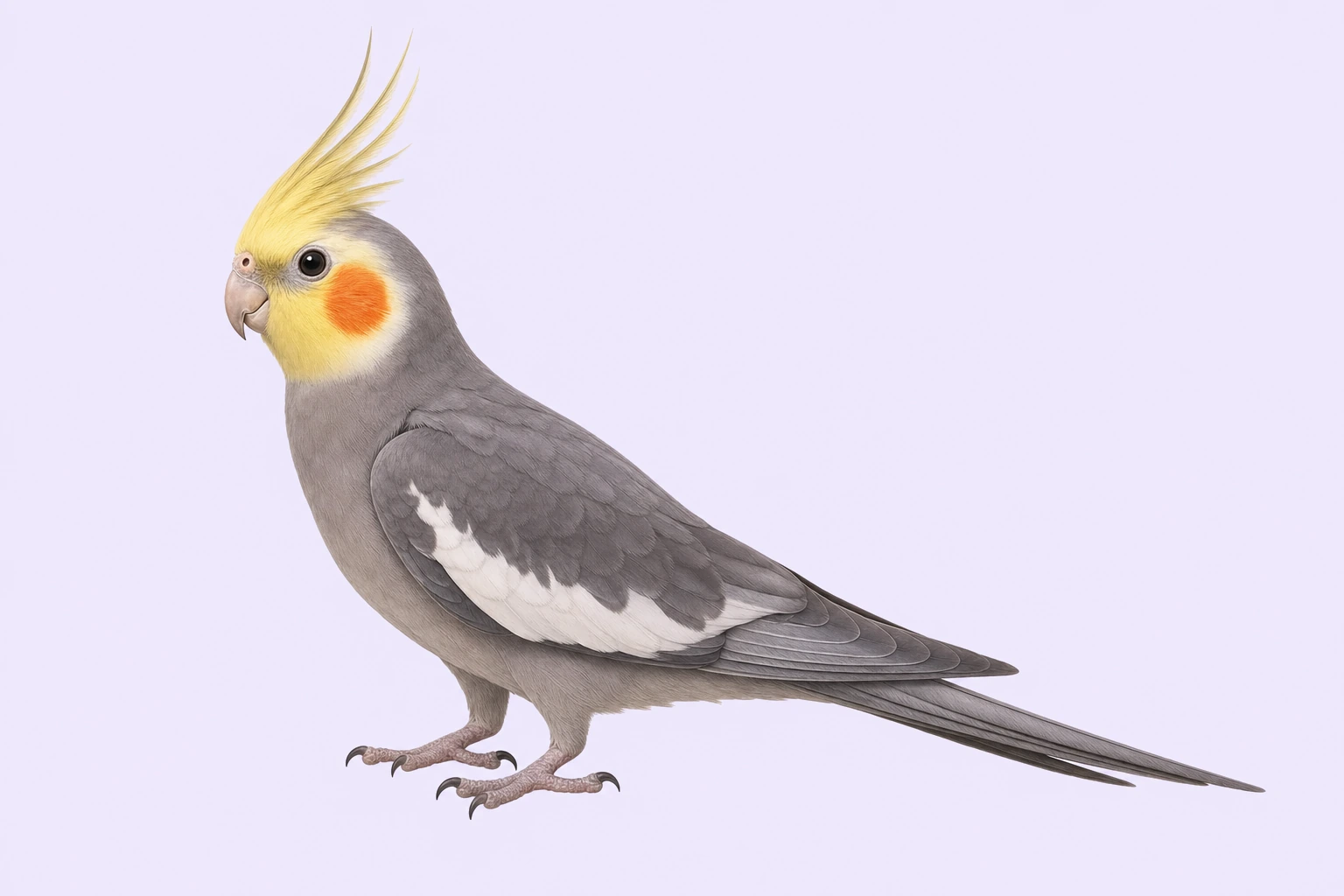
Cockatiels are gentle, whistling companions that live 15-20 years and thrive on daily interaction, a pellet-and-veg diet and proper sleep. This guide covers cage setup, feeding, night frights, the female egg-laying problem and the health signs that mean see an avian vet.

Canaries are hardy, low-maintenance songbirds that thrive with a roomy cage, a varied diet and steady light and quiet. This guide covers housing, feeding, bathing, song, moulting and the health signs every owner should watch, so your canary stays bright, active and singing for years.

Choosing between a budgie, cockatiel, and lovebird can be tough. Learn how their temperaments, lifespans, noise levels, and care needs compare so you can find the perfect feathered companion for your home.

Budgies are the classic first parrot, but they thrive only with real company, a pellet-and-vegetable diet instead of all-seed, and daily flight. This guide walks a first-time owner through cage setup, feeding, sleep and the health signs that mean call a vet.

The first two weeks with a new bird set the tone for years to come. This stage is about letting your bird settle safely, not rushing to bond. Learn how to set up the cage, give space, watch for normal versus worrying signs, and book that first vet check.

Toys keep a bird's mind busy and prevent boredom problems, but the wrong toy can strangle, poison or trap. Safe toys mean bird-safe materials, the right size for your species, and no hidden hazards. This guide covers what to choose, what to avoid, and how to rotate toys safely.

Taming is about earning trust on the bird's terms, never forcing contact. Give a new bird time to settle, let treats and a soft voice do the work, and move at its pace. Here is a gentle, force-free path from wary to willing.

Step up lets you move your bird safely without chasing or grabbing, and it is the foundation of every other skill. Learn a calm, reward-based method that builds trust, avoids force, and stops the fear that leads to biting.

The crop stores food at the base of a bird's neck. A crop that will not empty, feels doughy, or smells sour is an emergency, especially in baby birds. Here is how to tell normal from dangerous and when to rush to an avian vet.

Perches are not just cage furniture , the wrong ones cause sore, arthritic feet and painful pressure sores. Healthy feet need a variety of natural perches in different diameters and textures, placed at different heights. This guide explains which perches to use, which to avoid, and how to get the sizing right.

Your bird's first out-of-cage flight should be calm and safe. This guide covers room-proofing windows, mirrors, fans and water, the clipped-versus-flighted question, building step-up and recall first, and running short, confidence-building first indoor flights at your bird's own pace.

Not every vet treats birds, so find an avian or exotics vet before an emergency strikes. This guide covers how to choose a bird vet, why a well-bird baseline check matters, what to prepare, and how to transport your bird safely and calmly.

Most pet bird cages sold as "suitable" are far too small. The real rule is simple: bigger is always better, width beats height, and your bird must be able to fully spread and flap both wings. This guide gives practical minimum sizes by species and the bar spacing to match.

Where you place the cage affects your bird's stress, sleep and safety as much as the cage itself. The best spot has one solid wall behind it, good indirect daylight, no draughts, and is well away from the kitchen. This guide walks through height, light, airflow and the hazards to avoid.

Bonding with a bird is not about forcing cuddles , it is about becoming a safe, predictable flock member your bird chooses to trust. This step-by-step guide moves from simply sharing space to hand taming, step-up and daily connection, always at your bird's own pace.

A newly weaned bird is fragile, and the first weeks at home set the tone for its whole life. This overview covers what weaning really means, how to feed and weigh safely, the warning signs of trouble, and why you should never rush a baby bird off hand-feeding.

African greys are brilliant, sensitive parrots that can live 40-60 years and demand hours of daily mental enrichment. This advanced-owner guide covers housing, a calcium-aware diet, enrichment, feather-plucking and stress, and the health signs that mean see an avian vet.

成熟して飼い主に噛みつき始めたオウムは、通年が繁殖期だと伝える家に反応しています。長い日照、豊富な餌、暗い巣穴、背中を撫でるパートナー。本ガイドは種・サイズによる変化、噛む前の警告の段階、ホルモン行動を実際に下げる四つの環境レバー、先に除外すべき医学的原因を整理します。

鳥を猫や犬、あるいは体格差のある大型の鳥と同じ空間で飼育する場合、監視するだけでは安全を確保できません。本ガイドでは、猫との接触が即座に救急対応を要する理由、物理的なゾーニングの構築方法、そして同居によるストレスのサインについて解説します。